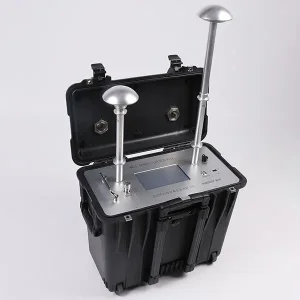
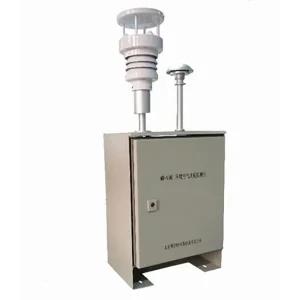
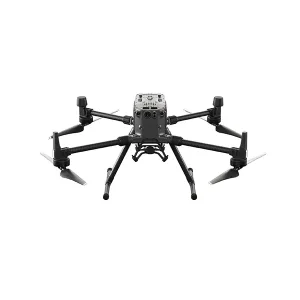
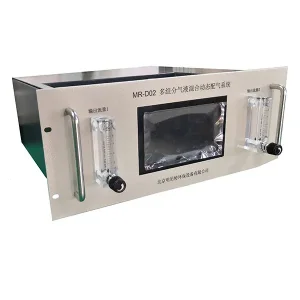
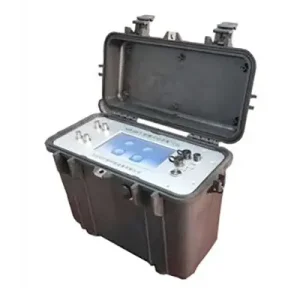
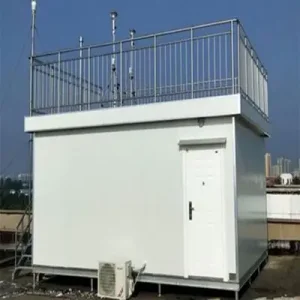
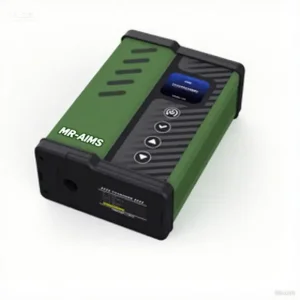
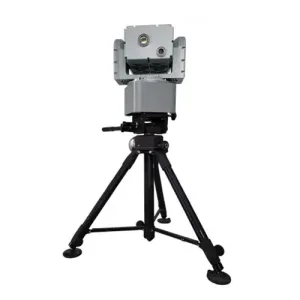
In the modern industrial landscape, toxicology is no longer just a laboratory science; it is the frontline defense of public health and environmental integrity. As a premier manufacturer in the environmental protection industry, Minnitt (Airppb) integrates advanced molecular analysis with real-time gas detection technologies. Understanding the toxicological profile of industrial effluents is paramount to preventing long-term ecological damage.
Our instruments utilize high-sensitivity spectroscopy (FTIR) and electrochemical sensors to identify hazardous compounds at parts-per-billion (ppb) levels. By monitoring volatile organic compounds (VOCs), sulfur compounds, and heavy metal vapors, our technology provides the actionable data necessary for regulatory compliance and emergency response. We are bridging the gap between raw data collection and intelligent, risk-assessed decision-making.
Environmental toxicology demands hyper-local accuracy. Whether it is an urban air quality station monitoring traffic emissions or a remote industrial site scanning for gas leaks, the environmental conditions vary drastically. Our localized application strategy focuses on:
The global narrative surrounding Chinese manufacturing has shifted from "low-cost" to "high-value innovation." Minnitt (Airppb) exemplifies this shift. Our internal supply chain resilience strategy relies on vertical integration. By mastering core component manufacturing—from electrochemical sensing elements to complex optical benches—we insulate our production timelines from global supply chain volatility.
Efficiency in our factory is driven by a data-first approach. We apply the same level of rigorous quality management (ISO 9001/14001/45001) to our assembly lines as we do to our end-user diagnostic tools. This creates an feedback loop where manufacturing defects are detected at the component level, ensuring that the instruments deployed in the field maintain the highest levels of accuracy and longevity in harsh environments.
We are currently transitioning from passive detection to active, predictive analytics. Our future roadmap integrates Artificial Intelligence (AI) and Machine Learning (ML) directly into the sensor firmware. This allows our devices to:
Our commitment to E-E-A-T (Experience, Expertise, Authoritativeness, Trustworthiness) is evidenced by our rigorous certification standards. Operating across international markets requires compliance not just with general standards like ISO, but with localized environmental protection agency requirements globally. We provide full CNAS/CMA testing reports, ensuring our instruments serve as legal proof for environmental auditing and regulatory reporting.
FTIR technology allows for the simultaneous detection of hundreds of compounds without physical sampling or waiting for lab results. It provides a unique "spectral fingerprint" for each toxic chemical, ensuring high specificity even in complex, multi-gas environments.
With over 15 years of OEM/ODM experience, we maintain a strict quality control process, including automated calibration checks, stress testing in extreme temperatures, and a dedicated R&D department that accounts for 60% of our workforce, ensuring your brand inherits our technical excellence.
We offer comprehensive documentation, localized language interfaces for our software, and remote technical support. Our global distribution network ensures that after-sales service and calibration facilities are accessible to our key markets.
 Airppb