Pioneering gas analysis systems, calibration devices, and remote optical telemetry systems engineered for maximum traceability and international compliance.
In modern industrial safety and environmental regulation, traceability is not merely a compliance check—it is the structural foundation of scientific validity. An Environmental Protection Industry Traceability System refers to the unbroken chain of calibrations, measurements, and records that link on-site chemical and gas detection data directly to recognized national or international standards (such as NIST or ISO/IEC 17025 metrology protocols).
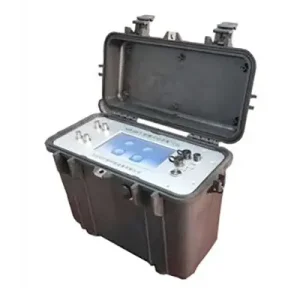
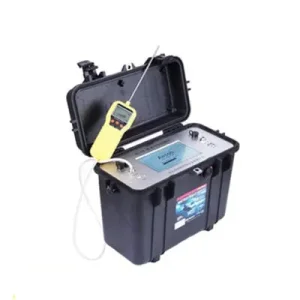
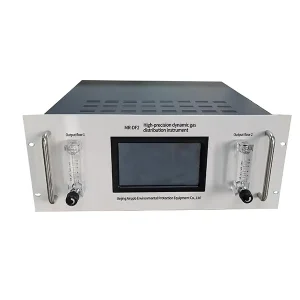
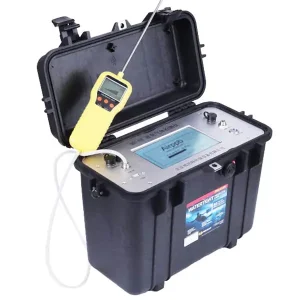
For chemical plants, military operations, and environmental ministries, accurate measurement dictates disaster mitigation protocols. Without dynamic gas distribution instruments like the MR-DF3 and MR-DF2, sensors deployed across remote sites drift, leading to false negatives or critical calibration failures. Beijing Airppb Environmental Protection Equipment Co., Ltd. builds metrological instrumentation designed to bridge the gap between regulatory mandates and actual industrial fields.
By integrating advanced electrochemical cells, Photoionization Detectors (PID), Ion Mobility Spectrometry (IMS), and Fourier Transform Infrared Spectroscopy (FTIR), our traceability systems ensure that every metric ton of recorded volatile organic compound (VOC) or greenhouse gas is backed by verified calibration parameters.

Analyzing the transformation of environmental compliance and safety metrology across international markets.
Regulatory frameworks such as the EU's Carbon Border Adjustment Mechanism (CBAM) and US EPA clean air standards demand continuous emissions monitoring systems (CEMS). Metrological traceability ensures that industrial facilities can defend their carbon output claims against litigation, avoiding severe regulatory fines through precise, traceable data.
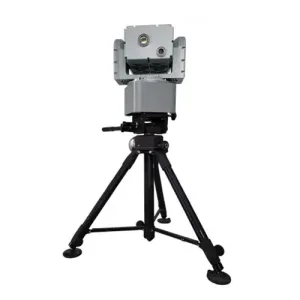
Traditional localized hand-held gas detectors are rapidly being augmented by open-path optical devices. Instruments like the MR-FAT (Fourier Transform Infrared Telemeter) and MR-ACT (Gas Telemetry Imaging Systems) allow long-distance, high-resolution surveillance, creating visual overlays of toxic gas clouds in real time.
Global procurement teams now require on-site calibration capacity rather than relying solely on third-party labs. Handheld or highly portable gas distribution instruments (like the MR-DF3) make it possible to perform multi-point calibrations in the field using highly concentrated gas cylinders mixed dynamically down to parts-per-billion (ppb) levels.
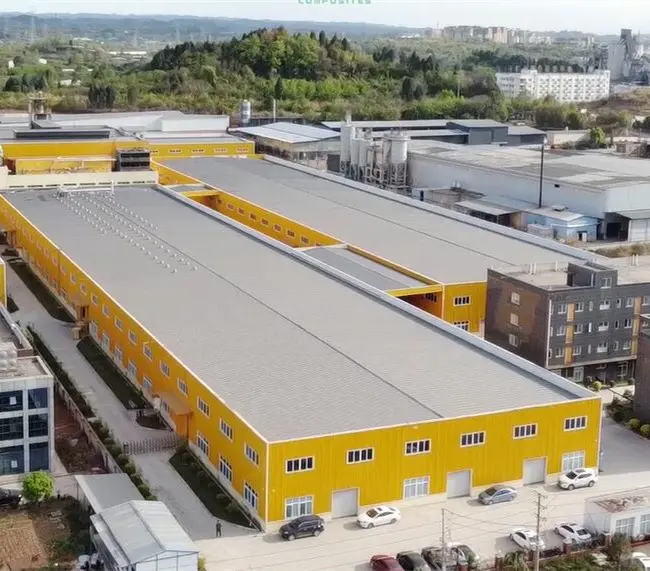
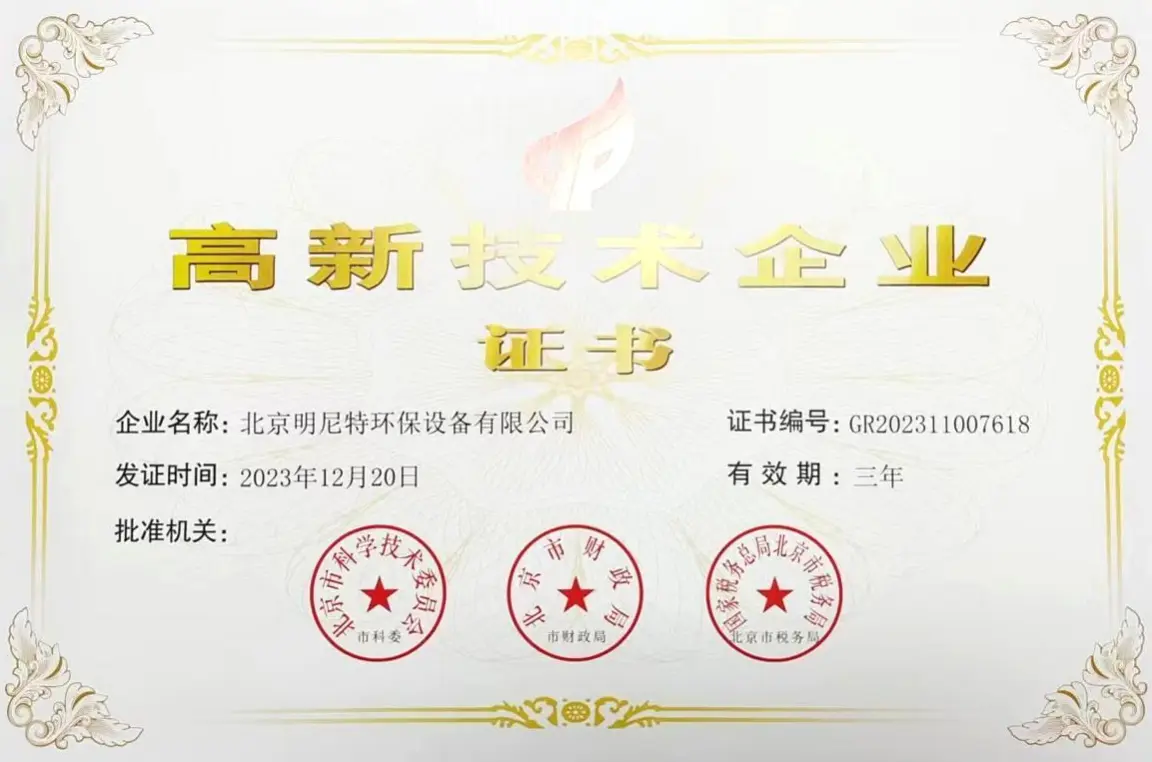
As a leading national high-tech enterprise, Beijing Airppb Environmental Protection Equipment Co., Ltd. (operating under the Minnit brand) has engineered a vertically integrated manufacturing ecosystem in Beijing. Our Factory 4.0 philosophy ensures that advanced sensor fabrication, optical bench alignment, and gas-distribution flow calibration are managed under one roof.
Why does localized Chinese supply chain integration benefit global partners? It creates unparalleled manufacturing resilience. By maintaining full structural control over mechanical CNC tooling, PCB surface mounting (SMT), and cleanroom optical calibration, we eliminate shipping delays and third-party dependency.
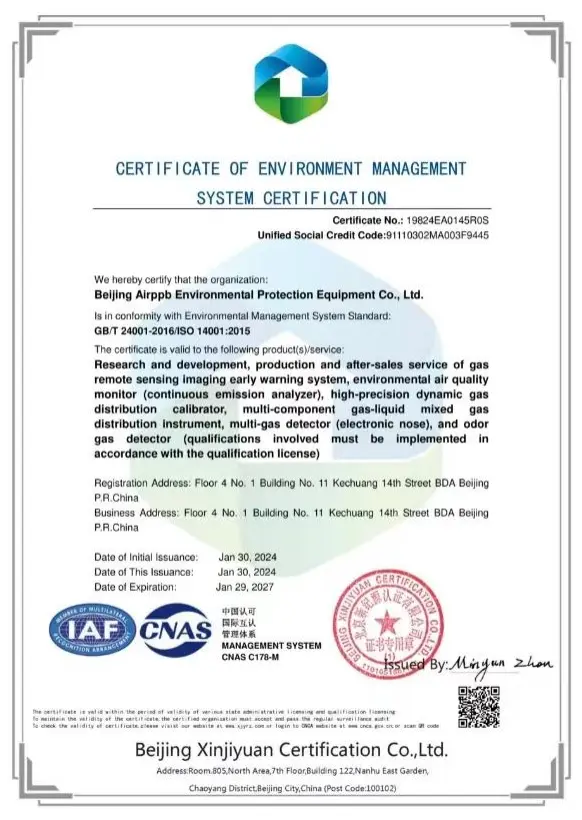
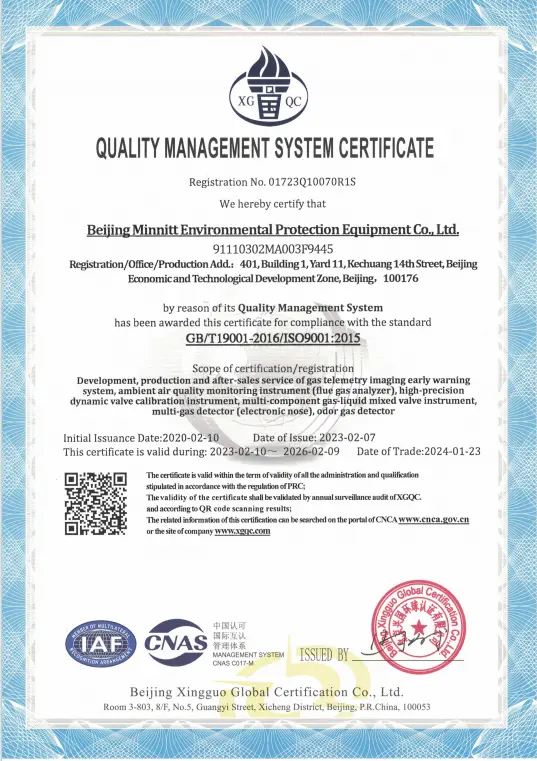
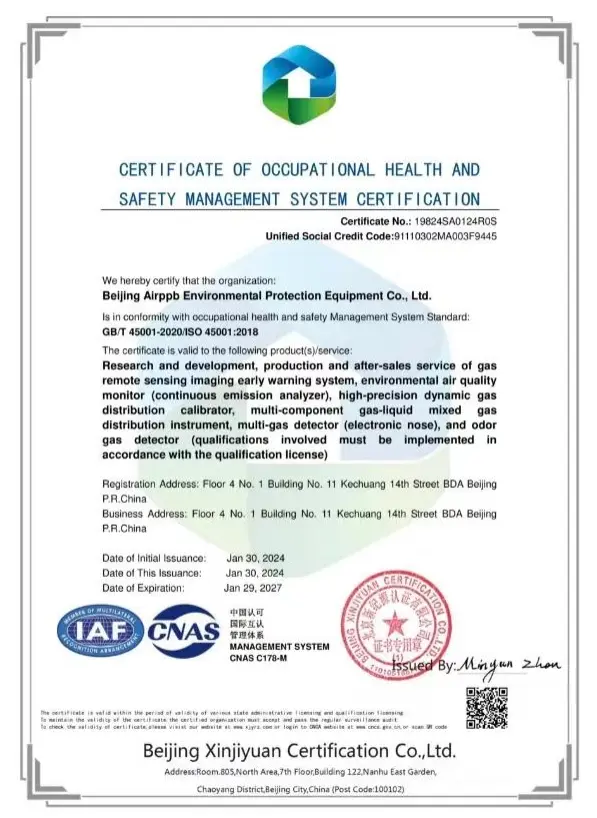
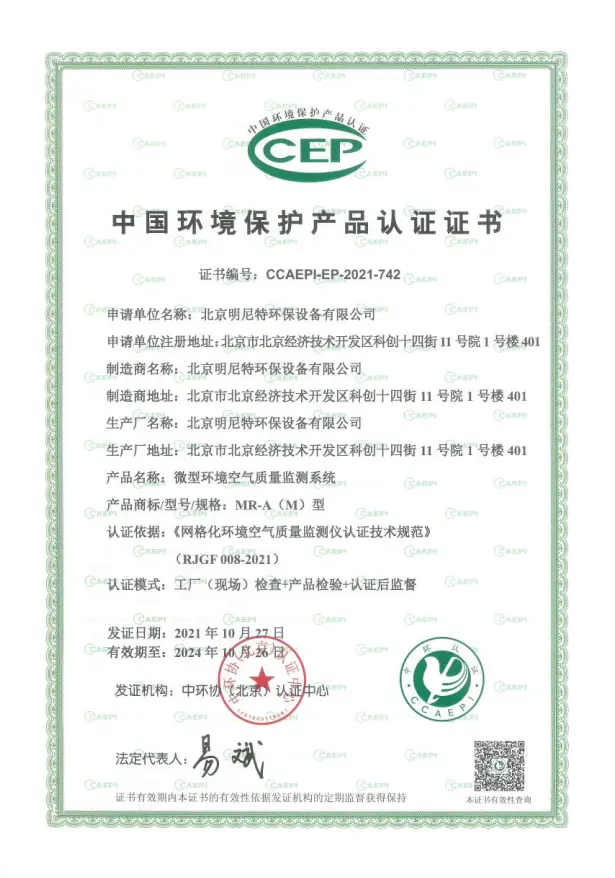
Our quality management systems are certified to international standards: ISO9001 (Quality Management), ISO14001 (Environmental Management), and ISO45001 (Occupational Health & Safety). Furthermore, our designs strictly comply with metrological regulatory certificates, providing CPA (Pattern Approval for Measuring Instruments), CCEP (China Green Certification), and CNAS/CMA testing reports, assuring international customs clearance and local homologation.
From sub-zero Siberian pipelines to scorching Arabian deserts, our devices are custom-tailored for extreme operating environments.
In highly active regions containing volcanic vents and seismic rifts, sudden surges of toxic, high-temperature gases (like H2S and SO2) present direct hazards. The Middle East MR-ACT remote telemetry systems monitor open-air profiles from kilometers away, providing early warning signals to civil defense networks without risking personnel safety.
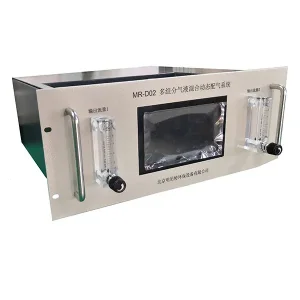
Operating petrochemical refineries in sub-zero Russian climates demands calibration systems that prevent liquefaction of heavy hydrocarbon components. The MR-DO2 multi-component gas-liquid mixing dynamic gas distribution system utilizes heated vaporization manifolds, enabling accurate dilution for chromatography validation in cold-climate laboratories.
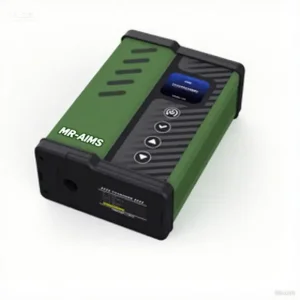
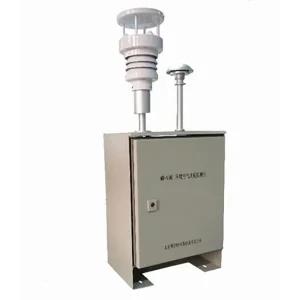
Fugitive emissions of benzene, toluene, and other volatile organic compounds pose serious health risks and explosion hazards. The MR-AIMS Handheld IMS Chemical Identifier and the MR-A(S) automatic ambient air quality monitoring stations provide automated, round-the-clock boundary surveillance, mapping trace leaks directly back to source pipe connections.
Minnit (Airppb) is a national high-tech enterprise focusing on the research, development, and industrialized innovative application of precision gas detection instruments. The company uses technological innovation to realize on-site, automated, and intelligent analysis, detection, and monitoring, and is committed to becoming the world's leading manufacturer of scientific instruments.
We have mastered relatively complete gas analysis and detection technologies such as electrochemistry, PID, and spectroscopy, and developed laboratory analysis, on-site analysis (portable, online, mobile), automated analysis, and a series of technologically leading product portfolios to provide global users with comprehensive and professional solutions in the fields of advanced industry, ecological environment emergency safety, and other critical sectors.
For your needs, we carefully design with ingenuity to ensure that every link is accurate and efficient. Make complex problems simple and multiply your work efficiency.
International ISO compliance and metrology standard certificates validating our research and production pipelines.


Connecting with global engineers, environmental agencies, and chemical laboratory partners around the world.
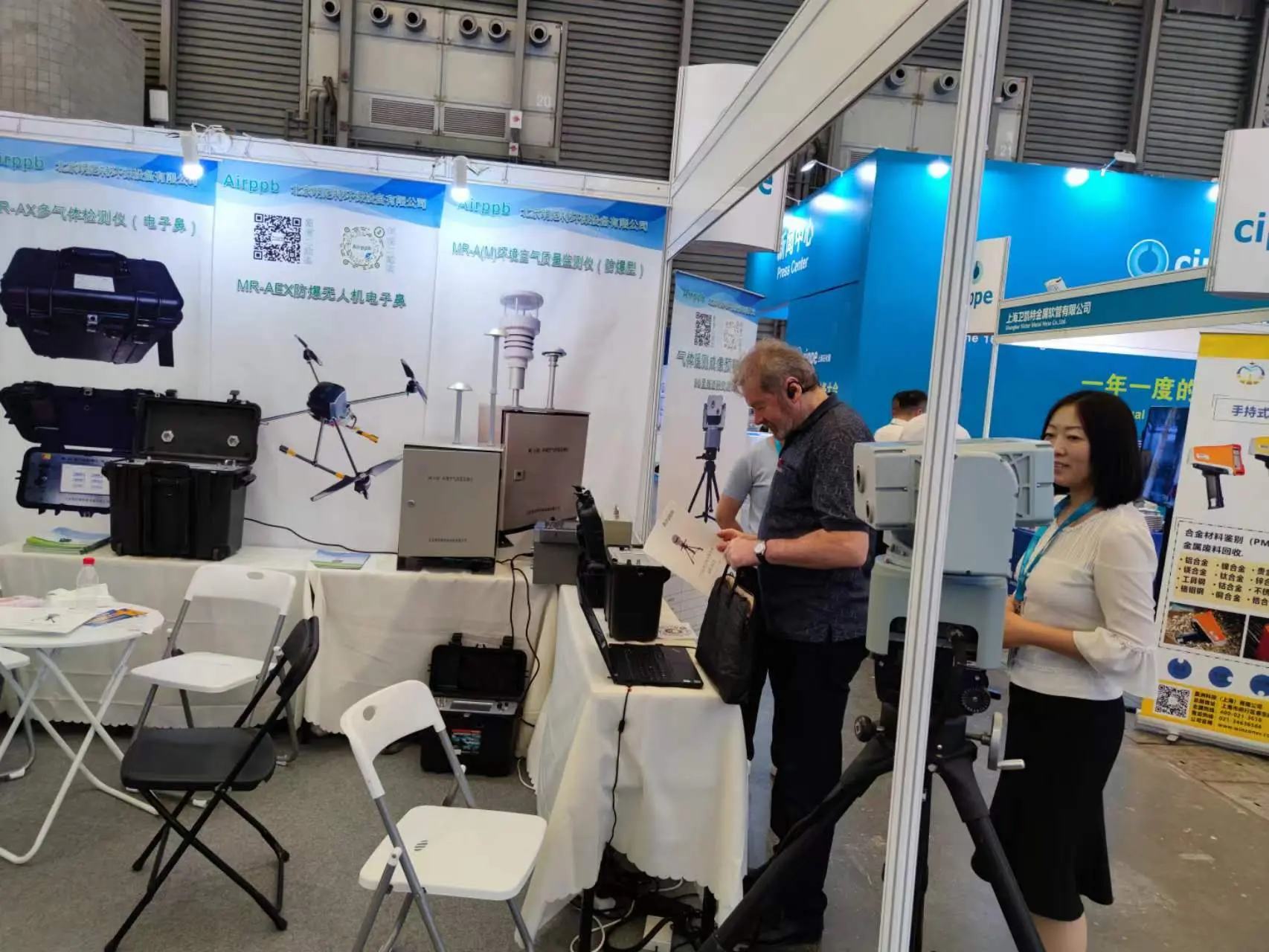
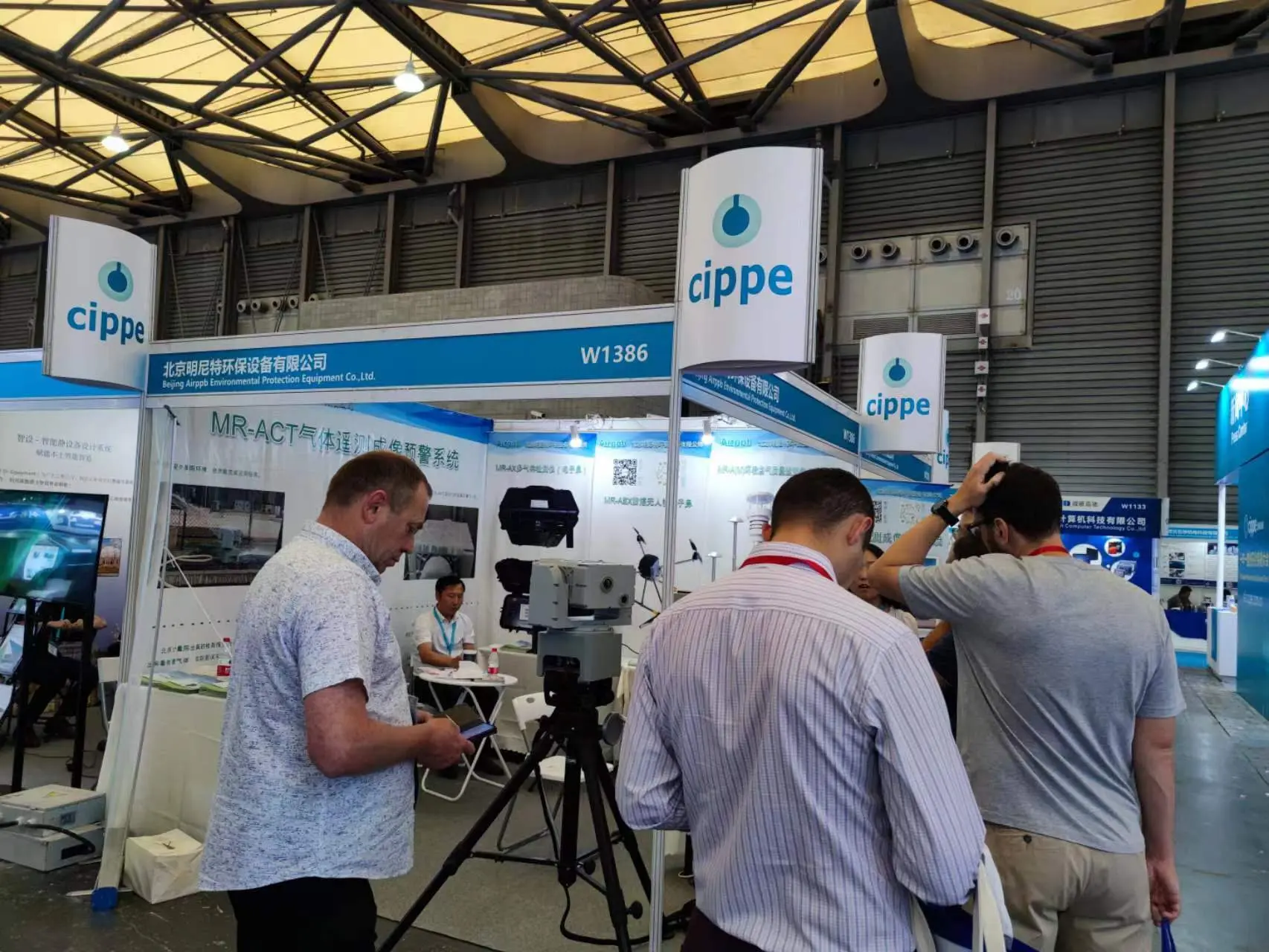
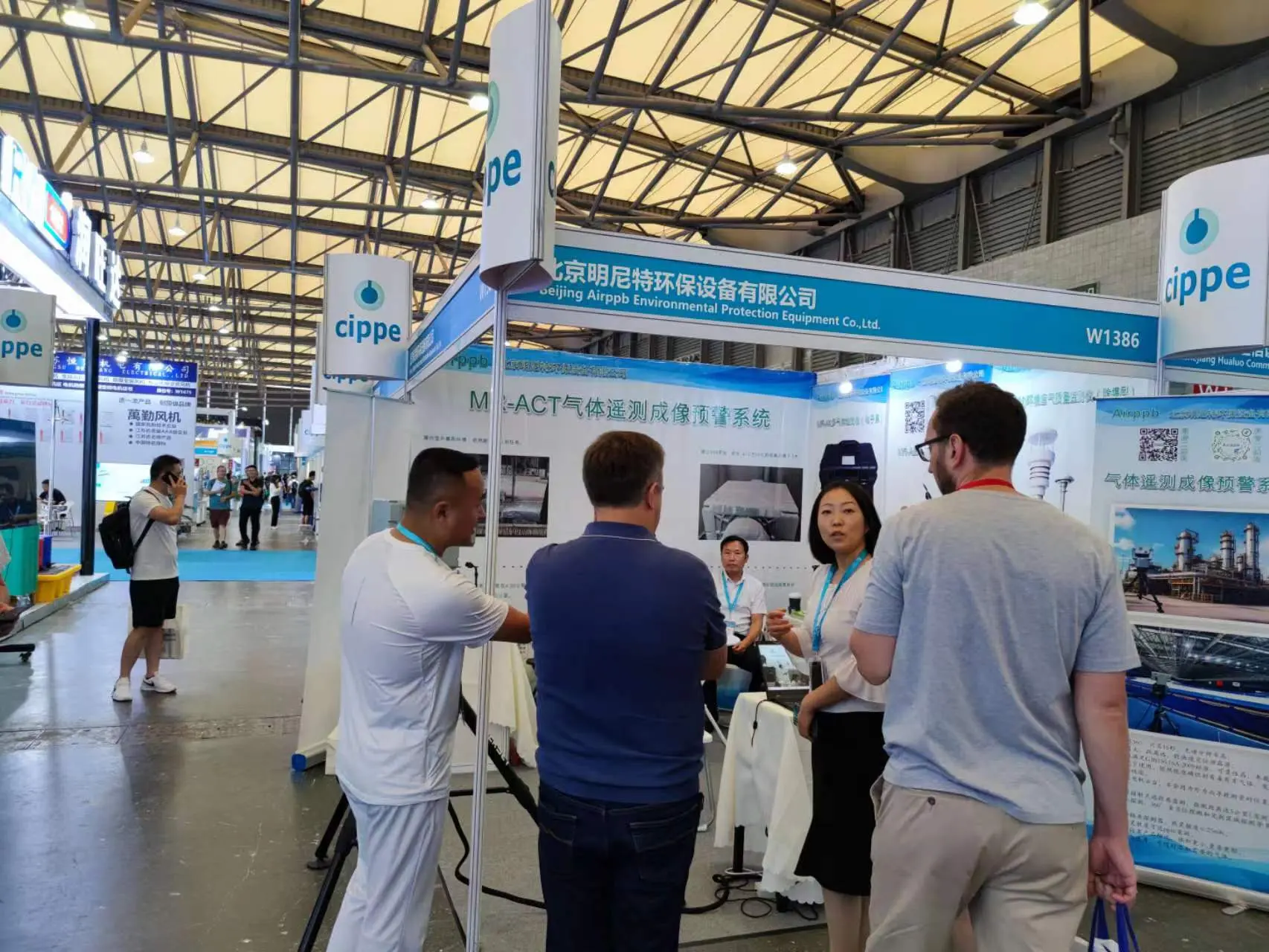
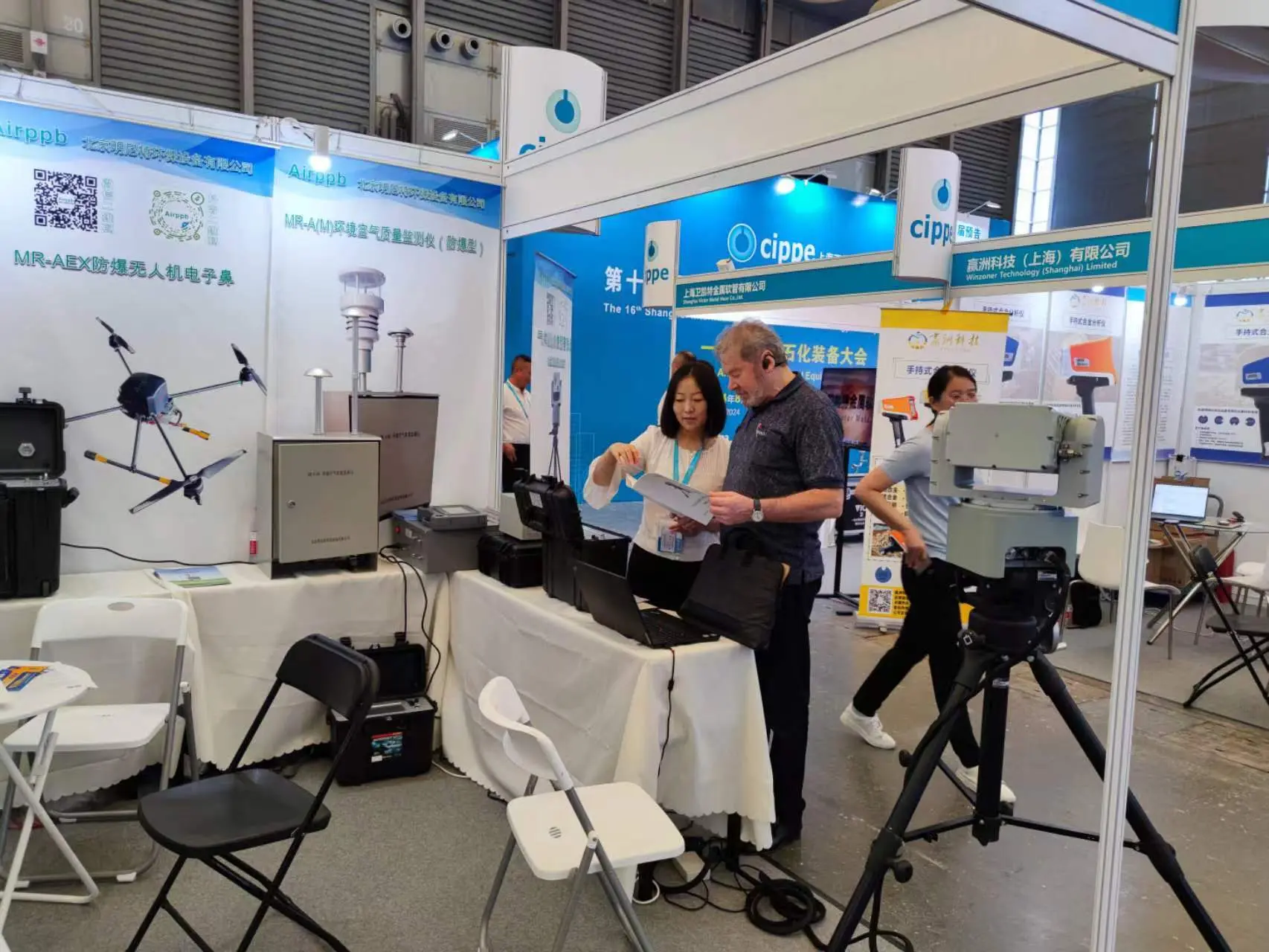

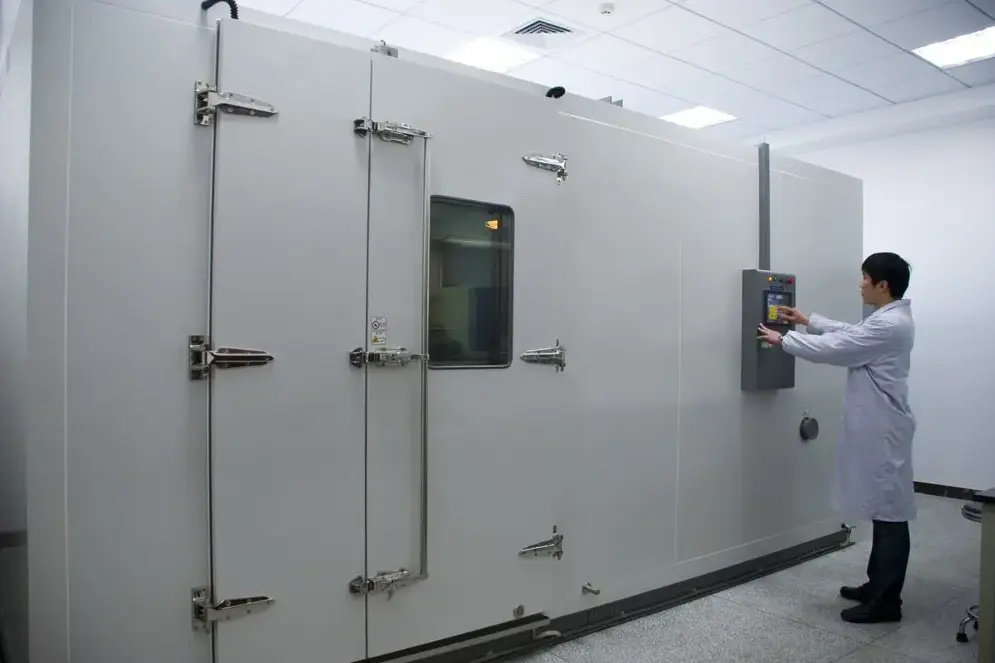
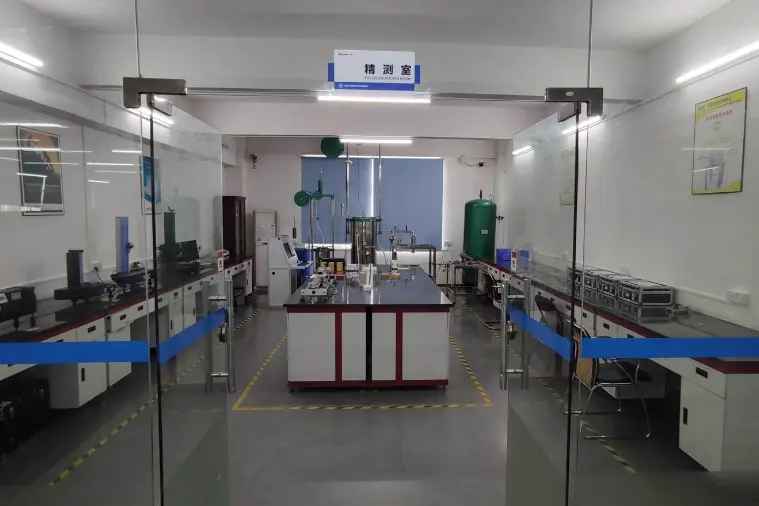
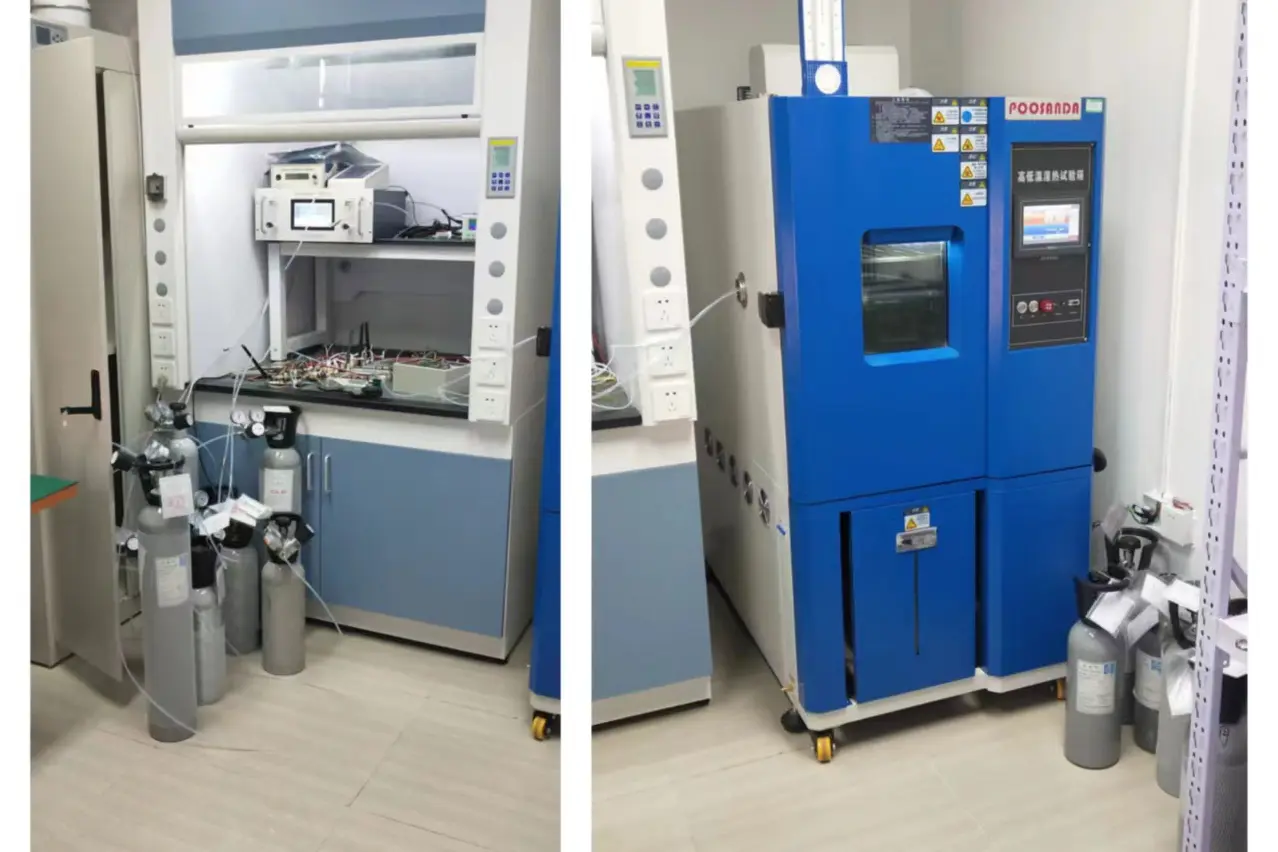
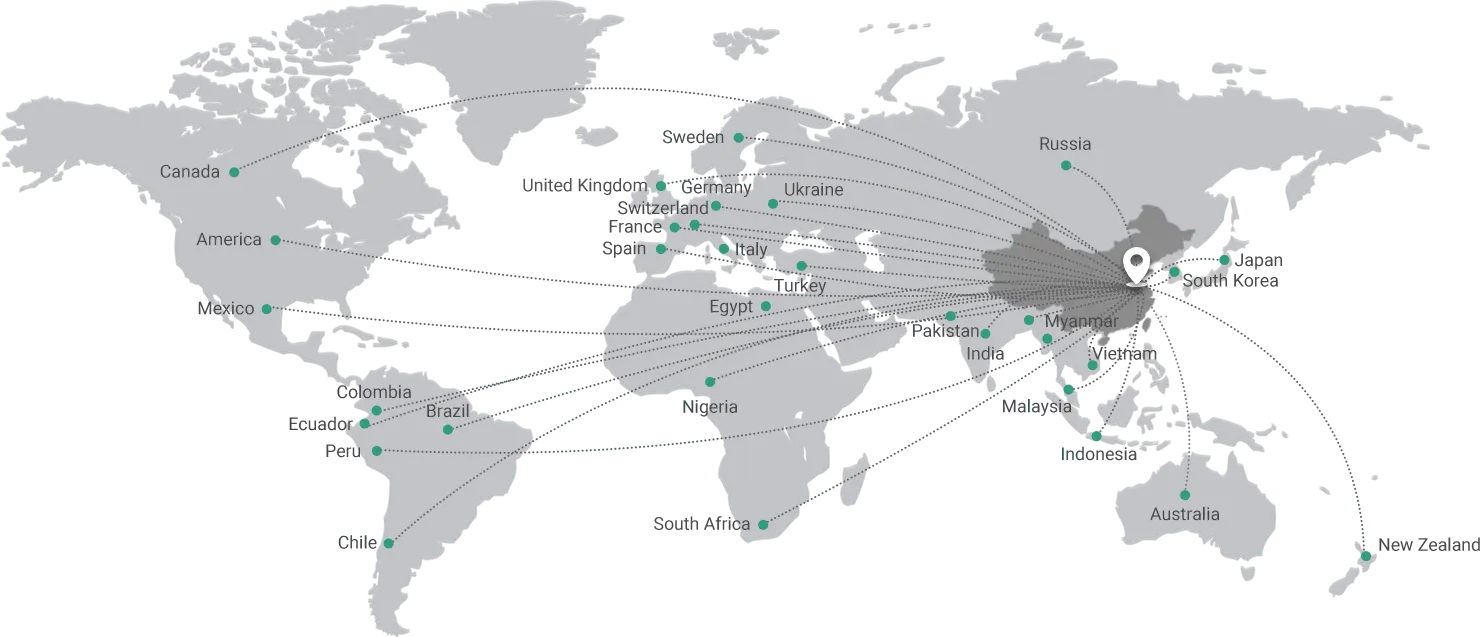
Minnit (Airppb) scientific instruments and environmental protection traceability systems have successfully penetrated major international markets, providing reliable monitoring platforms across over 40 countries and regions. Our customer base spans Europe, the Middle East, Southeast Asia, South America, and Eastern Europe.
By establishing localized sales channels and partnerships with domestic metrological institutions, we ensure that buyers receive prompt calibration support, gas standards distribution, and fast warranty replacement. Our focus on quality and international standard alignment has made us a trusted supplier for petrochemical giants, emergency services, and academic research institutions worldwide.
Addressing critical inquiries regarding gas metrology, dynamic calibration, and remote environmental telemetry.
A system achieves metrological traceability by verifying that the final generated gas concentration is calculated via primary physical constants (such as mass flow and temperature parameters) and traceable reference gases. Dynamic instruments like the MR-DF3 and MR-DF2 utilize highly accurate Mass Flow Controllers (MFCs) calibrated against primary piston provers, enabling users to trace dilutions back to international SI units (Standard International Units).
Standard line detectors require gas to physically diffuse into the sensor chamber. In contrast, the MR-FAT Fourier Transform Infrared Telemeter uses passive infrared spectroscopy to measure gases from a distance. By analyzing the infrared absorption spectrum of the ambient air against background radiation, it identifies and quantifies multiple gas compounds simultaneously across path lengths spanning several kilometers.
CCEP (China Collaborative Environmental Protection) and CPA (Pattern Approval) are legally mandated standards in China that prove a manufacturer's measuring device meets rigorous reliability and accuracy profiles. CNAS/CMA testing reports ensure that the laboratory testing these devices is fully accredited. Having these certificates gives international buyers confidence that the instruments meet equivalent local regulatory benchmarks globally.
Static cylinders containing low-ppm gas mixtures decay rapidly due to gas adsorption onto cylinder walls, making them unreliable over time. Dynamic gas distribution instruments (like the MR-DF2 and MR-DF3) take stable high-concentration source gases and mix them with nitrogen or zero air in real time to generate highly accurate calibration points, saving costs and securing precision.
Yes. The MR-AIMS uses Ion Mobility Spectrometry (IMS) technology. It ionizes gas molecules and measures their drift time through an electric field. Because different chemical compounds possess distinct sizes and shapes, their unique drift times allow the instrument to selectively identify target VOCs or toxic chemicals even inside highly complex atmospheric matrices.
Explore our specialized handheld monitors, gas distribution meters, and remote telemetry instrumentation.
 Airppb