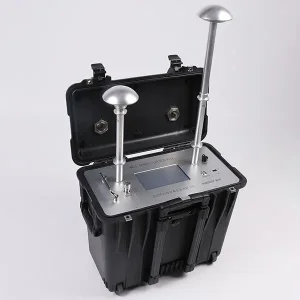
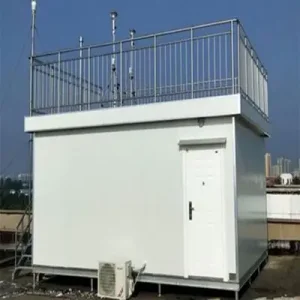
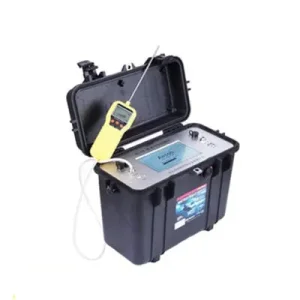
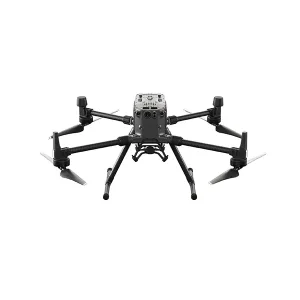
The global Emergency UAV Aerial Detection market has undergone a paradigm shift over the last decade. As industrial complexes expand and urban density increases, the risk of chemical leaks, gas explosions, and environmental catastrophes has escalated. Traditional ground-based sensors are no longer sufficient to manage large-scale emergencies where time is the critical factor. Today, Unmanned Aerial Vehicles (UAVs) equipped with sophisticated sensing payloads—ranging from Fourier Transform Infrared (FTIR) to Ion Mobility Spectrometry (IMS)—have become the frontline of emergency response.
In North America and Europe, the focus has shifted toward integrated AI systems that not only detect gases but predict dispersion patterns in real-time. In contrast, the Asia-Pacific region, led by manufacturing powerhouses like China, is dominating the supply chain by providing high-precision, cost-effective detection hardware that meets stringent international standards. As a premier Emergency UAV Aerial Detection Manufacturer, we have witnessed this evolution firsthand, transitioning from basic multi-gas detectors to complex remote sensing imaging systems that can "see" invisible gas clouds from kilometers away.
Eliminate human risk by deploying UAVs into toxic zones. Our systems provide 360-degree situational awareness in environments where traditional personnel cannot enter.
Utilizing low-latency data links, our sensors transmit gas concentration maps directly to mobile command centers for immediate decision-making during leaks or fires.
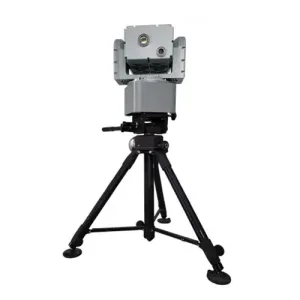
Advanced MR-ACT systems utilize infrared telemetry to identify over 400 types of industrial gases, volatile organic compounds (VOCs), and hazardous chemicals.
The future of UAV Aerial Detection is deeply intertwined with Artificial Intelligence (AI) and the Internet of Things (IoT). We are currently seeing three major trends that are defining the next generation of emergency hardware:
Years Experience
Gases Detectable
Patent Technologies
Global Standards
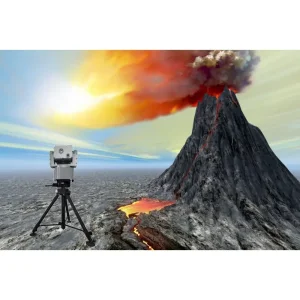
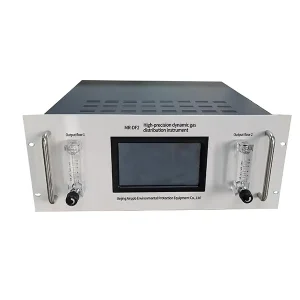
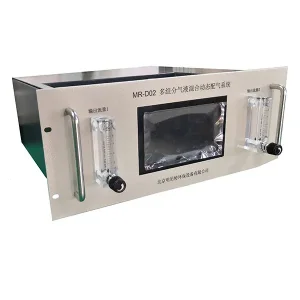
Global procurement needs for UAV aerial detection are highly specialized. In the Middle East, the demand is centered on oil and gas infrastructure protection and volcanic activity monitoring. Systems like the MR-ACT Remote Volcanic Gas Monitoring are essential for early warning in geologically active regions. In Russia and Northern Europe, the focus is often on multi-component gas-liquid mixing and dynamic gas distribution for high-precision laboratory calibration in extreme climates.
Localized application scenarios include:
As a leading Chinese Emergency UAV Aerial Detection Manufacturer established in 2012, we offer a unique blend of high-tech innovation and manufacturing efficiency. Our competitive edge lies in:
Comprehensive R&D: We are committed to the development and production of Fourier infrared gas remote sensing imaging early warning systems, ambient air quality monitors, and high-precision dynamic gas distribution meters. Our in-house team holds a number of intellectual property rights, ensuring we stay ahead of market imitators.
Unmatched Quality Standards: Product quality strictly follows ISO9001 Quality Management, ISO14001 Environment Management, and ISO45001 Occupational Health and Safety certifications. Furthermore, our products comply with certifications from relevant national and international departments, such as CPA, CCEP, and CNAS/CMA test reports.
OEM/ODM Flexibility: We don't just sell products; we provide solutions. Whether it's a specific gas sensor for a unique industrial process or a branded fleet of detectors for a national emergency agency, our OEM/ODM capabilities are designed to meet the most demanding specifications at a fraction of the cost of Western competitors.
 Airppb