Leading the industry with high-precision telemetry and chemical identification systems.
The integration of Electronic Nose (E-Nose) technology with Unmanned Aerial Vehicles (UAVs) has revolutionized firefighting and industrial safety. Globally, the market is shifting from static sensors to mobile, AI-driven aerial platforms. In high-risk sectors such as petrochemicals, mining, and forest firefighting, the ability to detect hazardous gases from a distance is no longer a luxury—it is a safety mandate.
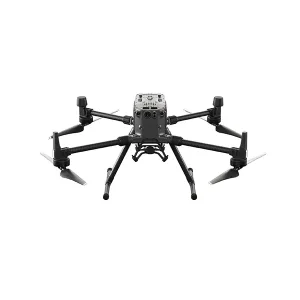
In North America and Europe, stringent environmental regulations and safety protocols (like OSHA and EU REACH) have driven the adoption of UAV-mounted gas sensors. Meanwhile, in the Middle East and Asia, the focus is on protecting massive energy infrastructures. The Firefighting UAV Electronic Nose acts as the "first responder's nostrils," identifying toxic plumes before human teams enter a danger zone.
Professional insights into the future of firefighting technology.
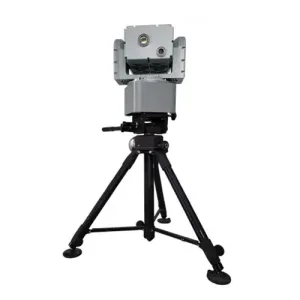
Modern electronic noses are no longer simple electrochemical cells. They utilize Fourier Transform Infrared (FTIR) and sensor fusion algorithms to create "gas fingerprints." This allows the system to distinguish between harmless smoke and lethal chemical agents in milliseconds.
The latest trend involves combining gas concentration data with GPS and LiDAR to generate real-time 3D heatmaps. This enables fire commanders to visualize the dispersion of toxic clouds and plan evacuation routes based on precise atmospheric data.
Leading brands are now developing "Swarm Intelligence," where multiple UAVs work in tandem to bracket a fire or leak, providing a comprehensive analysis of the hazard from multiple angles simultaneously.
With the rise of hydrogen-powered UAVs and solar hybrid systems, the demand for lightweight, low-power-consumption electronic noses is peaking. Our sensors are optimized for long-duration missions without compromising sensitivity.
Understanding the specific needs of different regions is where our brand excels. Global procurement managers prioritize three things: Reliability, Integration Ease, and Local Support.
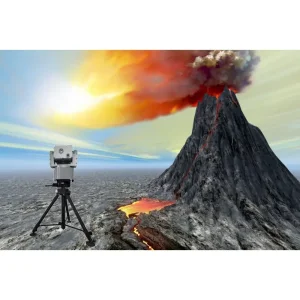
In the oil and gas fields of the Middle East, our MR-ACT systems are used for volcanic and industrial gas monitoring. The extreme temperatures require sensors with advanced thermal stabilization. Our products are ranked top-tier for their resilience in 50°C+ environments.
Forest fires require rapid deployment. UAVs equipped with our electronic noses can detect early-stage combustion by identifying trace amounts of CO and VOCs long before visible smoke is detected by satellites.
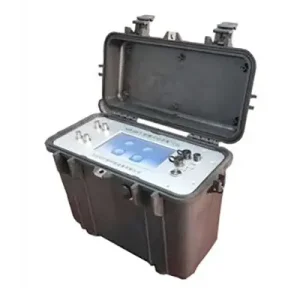
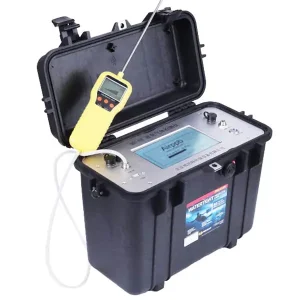
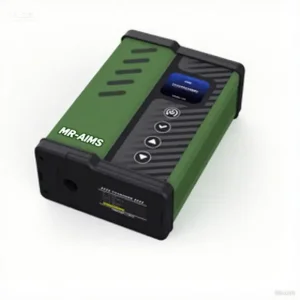
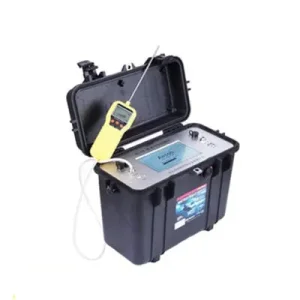
For military applications, the MR-AIMS and MR-AX series provide handheld and drone-mounted chemical identification. Our technology complies with global standards for rapid gas identification, making it a staple in emergency response procurement lists.
Experience, Professionalism, and Authority in Gas Sensing.
Established in 2012, our group company has spent over a decade perfecting the art of gas telemetry. As a leading Chinese manufacturer, we offer advantages that transcend mere cost-efficiency:
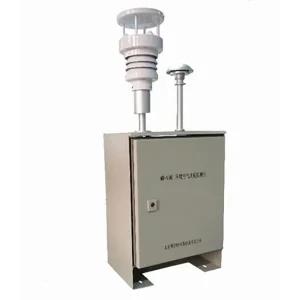
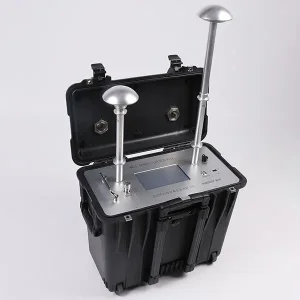
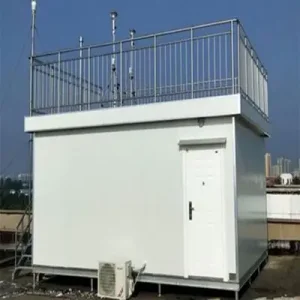
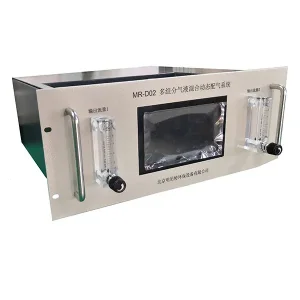
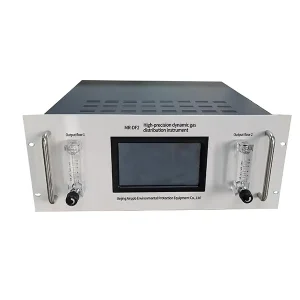
The group company was established in 2012 and is committed to the development and production of Fourier infrared gas remote sensing imaging early warning systems, ambient air quality monitors, high-precision dynamic gas distribution meters, multi-gas emergency detectors, and ambient air analysis. Our product quality strictly follows the ISO9001 QUALITY MANAGEMENT SYSTEM CERTIFICATE, ISO140001 CERTIFICATE OF ENVIRONMENT MANAGEMENT SYSTEM CERTIFICATION, and ISO45001 CERTIFICATE OF OCCUPATIONAL HEALTH AND SAFETY MANAGEMENT SYSTEM CERTIFICATION. We comply with product certifications from relevant national departments, such as CPA, CCEP, and CNAS/CMA test reports.
Precision instruments for the most demanding environments.
 Airppb