In the modern industrial landscape, the threat posed by volatile organic compounds (VOCs), toxic industrial chemicals (TICs), and chemical warfare agents (CWAs) has necessitated a shift from traditional point-detection methods to advanced remote telemetry systems. The global market for Vehicle Mounted Toxic Gas Telemetry Instruments is currently experiencing a CAGR of over 7.5%, driven by stringent environmental regulations and the rising need for rapid response in disaster management.
Emergency response teams in North America, Europe, and the Middle East are increasingly prioritizing imaging telemetry over standard detectors. These instruments, often mounted on specialized hazmat vehicles or rapid-response SUVs, allow operators to identify and visualize gas clouds from distances of up to several kilometers, ensuring the safety of personnel while providing critical situational awareness.
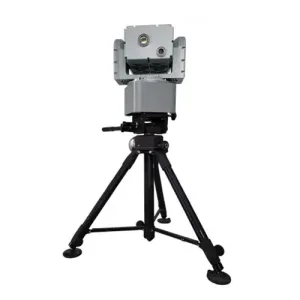
Unlike traditional sensors, telemetry instruments use Fourier Transform Infrared (FTIR) technology to "see" gas clouds, mapping their concentration and movement in real-time against a visual background.
Vehicle-mounted systems are designed for high-speed transit and immediate operation. They can scan a chemical plant or an urban block within seconds of arrival.
Leading brands now offer libraries containing hundreds of different chemical signatures, allowing for the simultaneous detection of dozens of gases.
The latest generation of telemetry instruments incorporates AI algorithms to filter out environmental noise (like humidity or thermal interference), significantly reducing false alarm rates. This is a critical factor in the ranking of global brands, where accuracy is paramount.
Modern "Smart City" initiatives demand that vehicle-mounted detectors stream data directly to a centralized command center via 5G networks. This allows for real-time plume modeling and public evacuation planning based on live telemetry data.
There is a trend toward making these high-precision instruments lighter and more energy-efficient without sacrificing the detection range. Our MR-FAT and MR-ACT series lead the industry in balancing portability with high-performance remote sensing.
In the gas detection industry, Experience and Expertise are non-negotiable. Our team has over a decade of hands-on R&D, backed by Authoritative certifications (ISO, CPA, CCEP). Trustworthiness is built through our proven track record in military and petroleum sectors globally.
International buyers—from government ministries to multi-national corporations—look for reliability and localized support when selecting a toxic gas telemetry brand.
In densely populated cities, a vehicle-mounted MR-ACT system can monitor a subway entrance or a public square during high-profile events, detecting potential chemical attacks or industrial leaks before they affect the public.
Refineries require constant monitoring for fugitive emissions. Our vehicle-mounted solutions provide mobile "fencing" that supplements fixed monitors, scanning hard-to-reach pipelines and storage tanks.
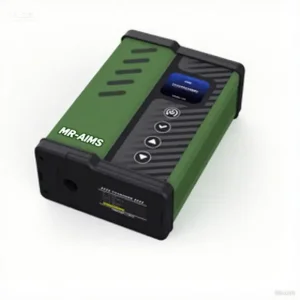
For chemical reconnaissance missions, vehicles equipped with high-precision IMS identifiers (like the MR-AIMS) and FTIR telemeters provide frontline troops with the ability to identify hazardous environments from a safe standoff distance.
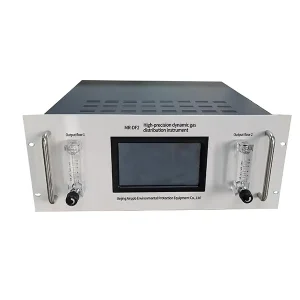
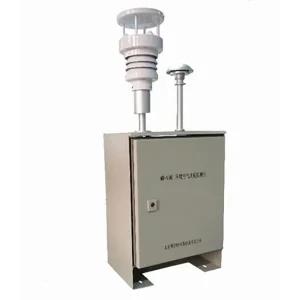
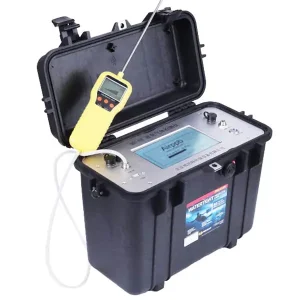
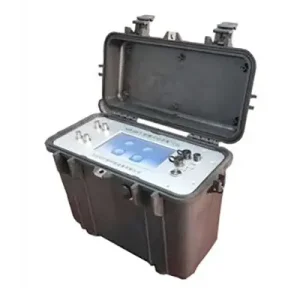
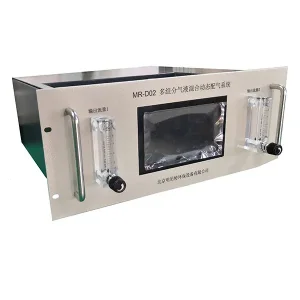
The group company was established in 2012 and is committed to the development and production of Fourier infrared gas remote sensing imaging early warning systems, ambient air quality monitors, high-precision dynamic gas distribution meters, multi-gas emergency detectors, and ambient air analysis. As a leading Chinese manufacturer, we offer several distinct advantages:
Established in 2012, our group company has secured a position as a premier global brand in the toxic gas telemetry ranking. Our commitment to quality is evidenced by our comprehensive intellectual property rights and adherence to international safety standards. Whether it's the MR-FAT Fourier Transform Telemeter for environmental protection or the MR-ACT imaging system for military early warning, our products represent the pinnacle of gas detection technology.
 Airppb