Deploying advanced electrochemistry, photoionization (PID), and optical Fourier transform telemetry for petrochemical and environmental risk management in the New Amsterdam territory.
A technical assessment of ambient air standards, volatile organic dispersion, fugitive hydrocarbon identification, and localized regulatory compliance frameworks.
The industrial ecosystem of New Amsterdam represents a critical intersection of marine logistics, deepwater port facilities, regional petrochem refining, bulk crude storage, and downstream processing terminals. Given the proximity between high-density logistic transit channels and municipal residential sectors, atmospheric control authorities across New Amsterdam have enacted heightened baseline thresholds for Volatile Organic Compounds (VOCs), Hydrogen Sulfide (H₂S), Sulfur Dioxide (SO₂), particulate matter fractions (PM2.5 / PM10), and polycyclic aromatic hydrocarbons.
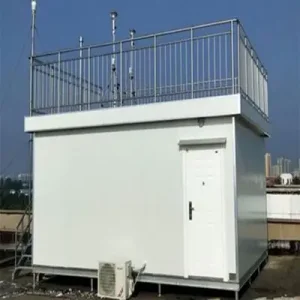
Operators in the New Amsterdam zone encounter unique ambient operational difficulties: corrosive marine humidity, high particulate loadings, and sudden coastal meteorological shifts that rapidly disperse fugitive emissions across municipal boundaries. Traditional point-source extractive sensors frequently prove inadequate in capturing trans-boundary, intermittent fugitive releases. Consequently, modern industrial mandates demand optical open-path Fourier Transform Infrared (FTIR) telemetry, autonomous micro-air monitoring grids, and high-speed dynamic gas distribution systems capable of immediate multi-compound deconvolution at parts-per-billion (ppb) concentrations.
Across the global monitoring spectrum, industrial safety standards are transitioning away from passive sorbent tube sampling and localized electrochemical spot-checks. Global environmental directives, including stringent European Industrial Emissions Directive (IED) frameworks, US EPA Method TO-15A, and equivalents, emphasize continuous fence-line monitoring and real-time algorithmic plume trajectory analysis.
The contemporary industry relies on sensor fusion: pairing optical spectrometry (UV-DOAS and FTIR) with electrochemical arrays and ion mobility spectrometry (IMS) to eliminate false positives caused by atmospheric moisture, ozone, or secondary chemical interferents. When applied to major chemical platforms, these sensor networks construct an unbroken digital twin of atmospheric air sheds, safeguarding surrounding populations and insulating enterprises from costly non-compliance sanctions and emergency plant shutdowns.
Advanced Chinese industrial manufacturing has transformed scientific instrumentation from custom boutique assemblies into standardized, robust, and cost-efficient hardware-software ecosystems. By anchoring R&D within high-density optical and sensor manufacturing hubs, Beijing Airppb Environmental Protection Equipment Co., Ltd. achieves unmatched economies of scale, rigorous component testing, and accelerated delivery lead times.
Where Western instrumentation integrators often face fractured component pipelines and prolonged lead times exceeding 20–30 weeks, our vertically integrated manufacturing facility executes precision calibration, automated optical alignment, and environmental stress screening (ESS) in compressed manufacturing cycles. This capability provides New Amsterdam industrial operators with dependable, certified scientific instrumentation (ISO 9001, ISO 14001, ISO 45001, CPA, and CCEP accredited) at a total cost of ownership (TCO) that substantially enhances capital efficiency.
Integrated photoionization detectors (PID) and high-accuracy electrochemical sensors detect ultratrace hazardous organic chemicals with ultra-low drift characteristics.
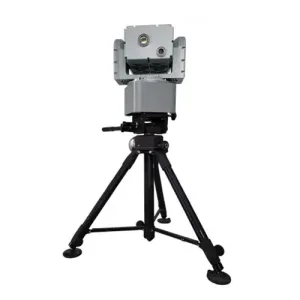
Passive and active FTIR scanning delivers real-time hyperspectral gas cloud identification over broad multi-kilometer perimeters without physical sampling tubes.
Ultra-accurate secondary standard calibration tools provide multi-point field validation and linearization across dynamic concentration boundaries.
IP66-rated, NEMA 4X certified stainless steel and high-durability polymer chassis built specifically to combat salt fog and tropical storms in coastal zones.
Minnit(Airppb) is a national high-tech enterprise focusing on the research and development and industrialized innovative application of precision gas detection instruments. The company uses technological innovation to realize on-site, automated and intelligent analysis, detection and monitoring, and is committed to becoming the world's leading manufacturer of scientific instruments.
It has mastered relatively complete gas analysis and detection technologies such as electrochemistry, PID, and spectroscopy, and developed laboratory Analysis, on-site analysis (portable, online, mobile), automated analysis and a series of technologically leading product portfolios provide global users with comprehensive and professional solutions in the fields of advanced industry, ecological environment emergency safety and other fields.
The group company was established in 2012 and is committed to the development and production of Fourier infrared gas remote sensing imaging early warning systems, ambient air quality monitors, high-precision dynamic gas distribution meters, multi-gas emergency detectors, ambient air analysis, detection and other related instruments and OEM /ODM various gas detectors; the company has a number of intellectual property rights. Product quality strictly follows ISO9001 QUALITY MANAGEMENT SYSTEM CERTIFICATE, ISO14001 CERTIFICATE OF ENVIRONMENT MANAGEMENT SYSTEM CERTIFICATION, ISO45001 CERTIFICATE OF OCCUPATIONAL HEALTH AND SAFETY MANAGEMENT SYSTEM CERTIFICATION. Comply with product certifications from relevant national departments, such as CPA, CCEP, CNAS/CMA test reports, etc.

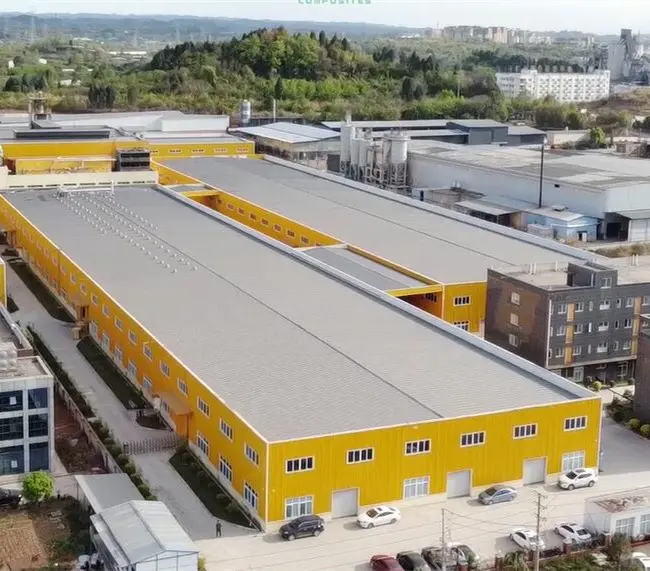
One-stop solution launched! For your needs, we carefully design with ingenuity to ensure that every link is accurate and efficient. Make complex problems simple and multiply your operational efficiency.

Tailored private labeling and custom sensor integration allow global partners to scale their proprietary brands with certified hardware.

Our R&D department accounts for 60% of the company, advancing optical paths, algorithms, and micro-flow systems.

Multi-stage temperature chambers, environmental burn-in, and full responsibility for after-sales support and machine reliability.

Dedicated technical consultants trained across rigorous engineering frameworks to support global client tenders and project design.
Stringent compliance with global and national metrology standards, including ISO9001, ISO14001, ISO45001, CPA Pattern Approval, and CCEP environmental protection verification.
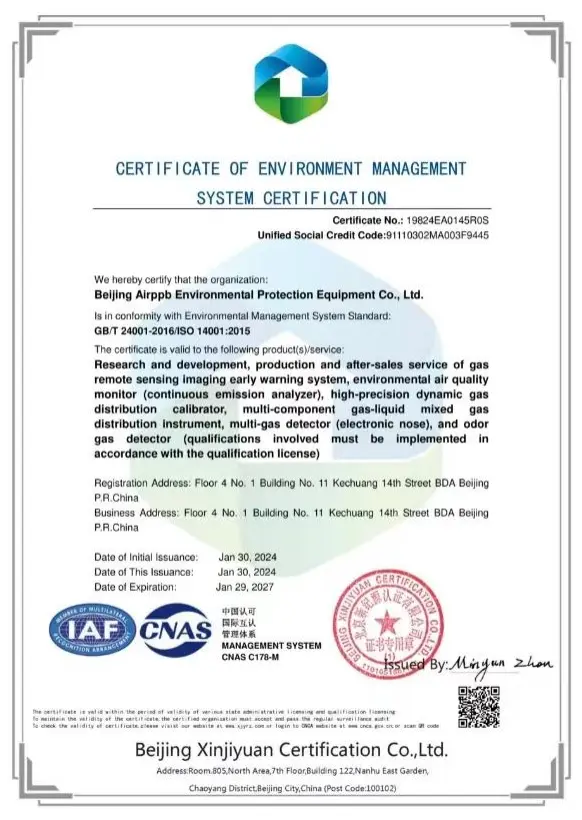
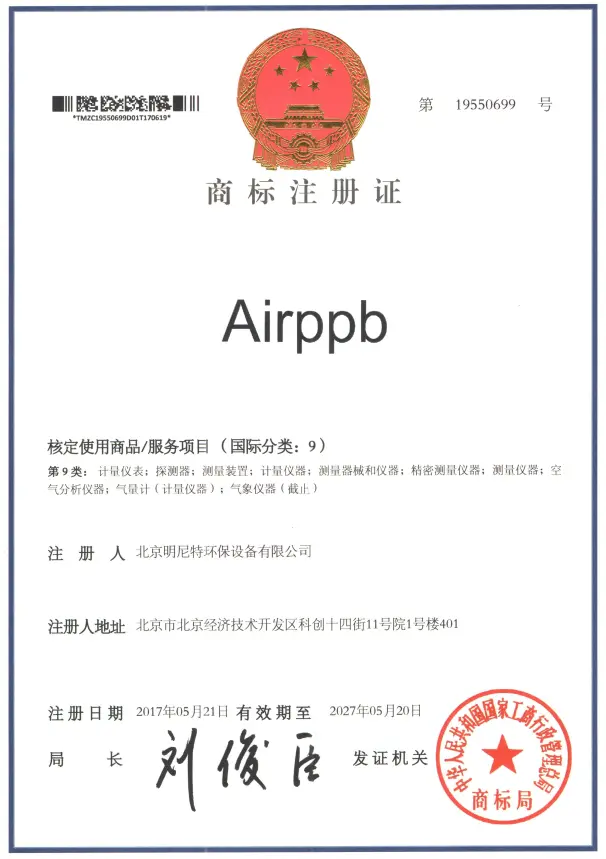
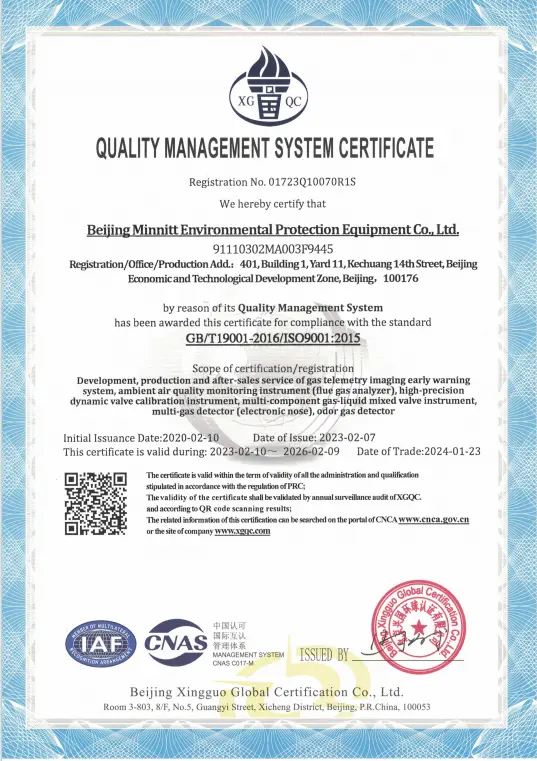
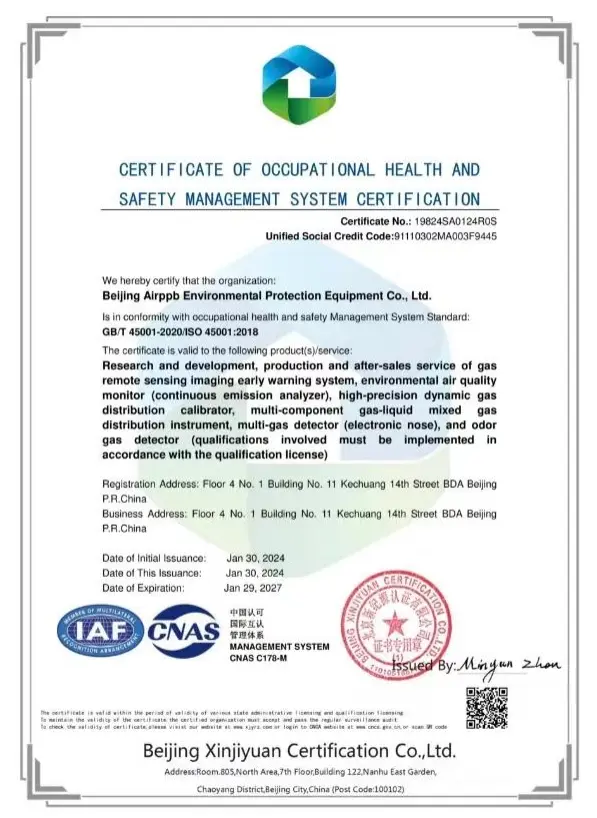
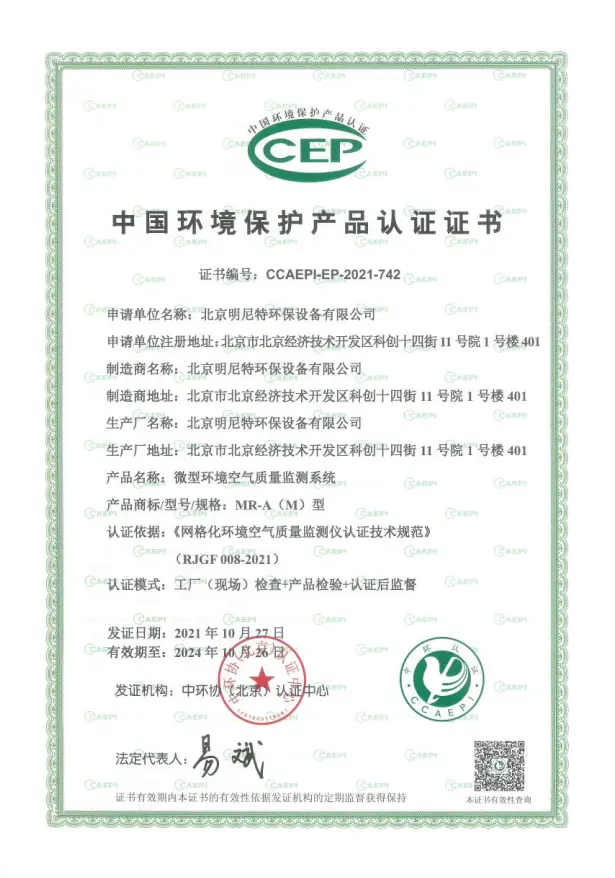
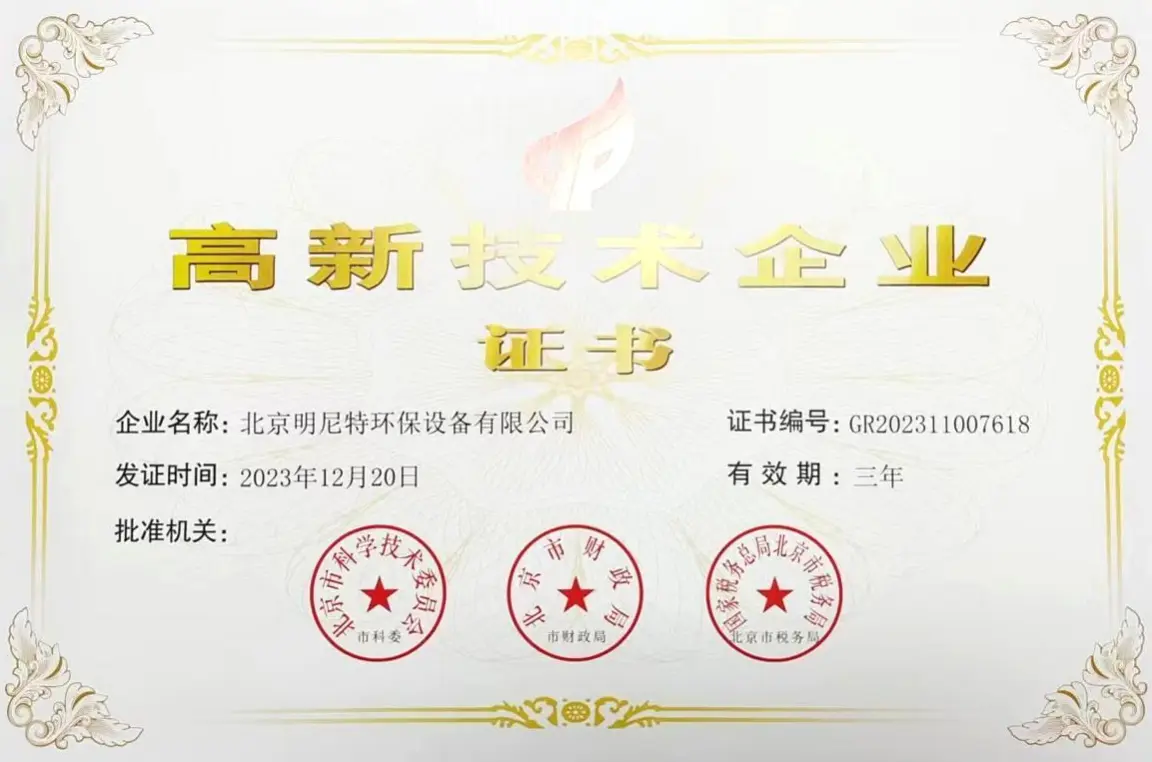

NIST-traceable calibration validation and full verification protocols for international industrial deployments.
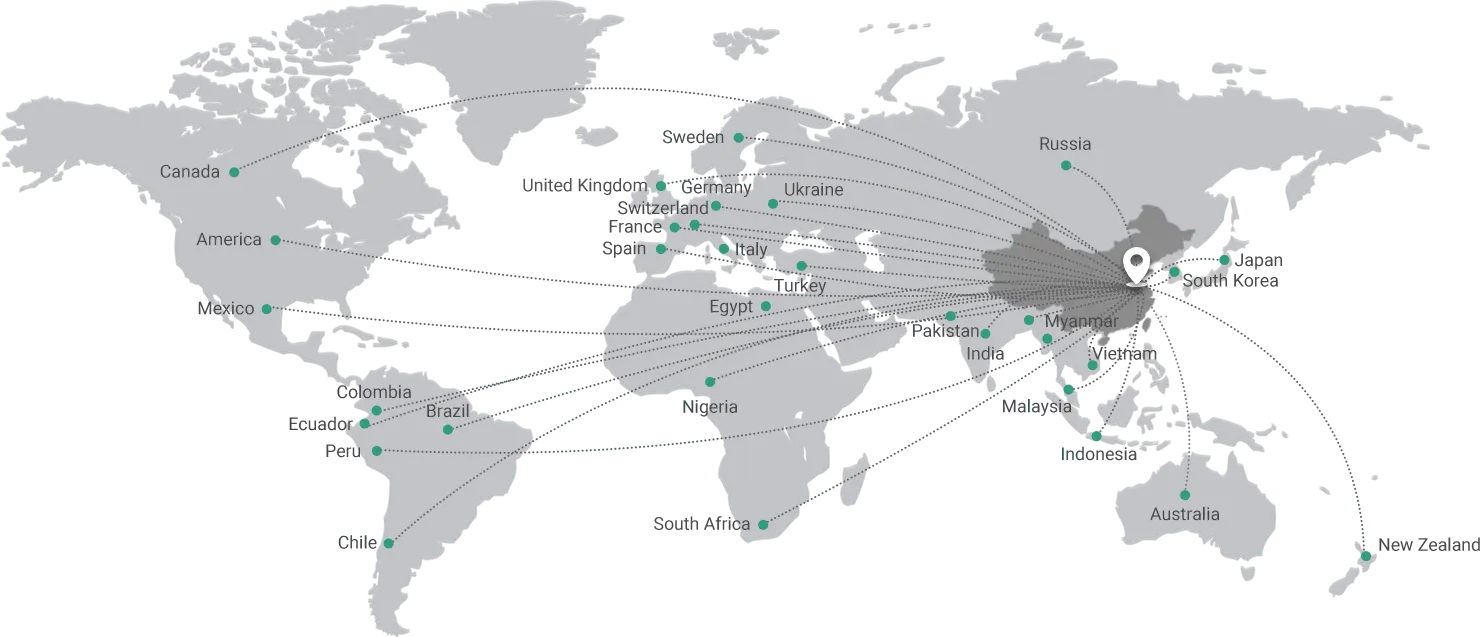
Demonstrating scientific leadership and fielding mission-critical gas detection instruments in over 40 countries across the Americas, Middle East, Europe, and Asia-Pacific.
Airppb instruments are deployed worldwide to safeguard petrochemical facilities, municipal perimeters, and emergency response zones. Our international sales and service network ensures rapid spare parts availability, remote technical diagnostics, and periodic sensor recalibration compliance.
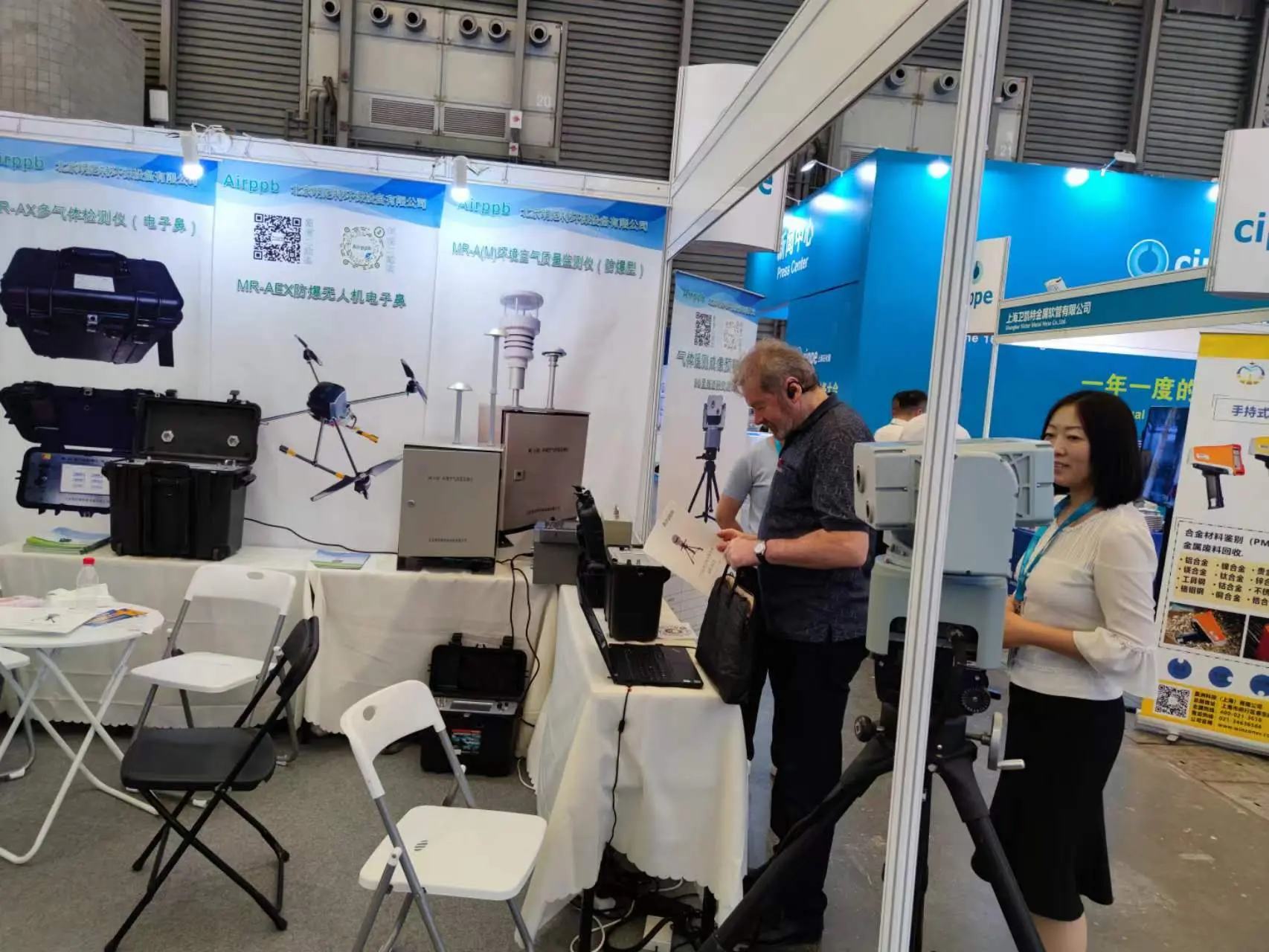
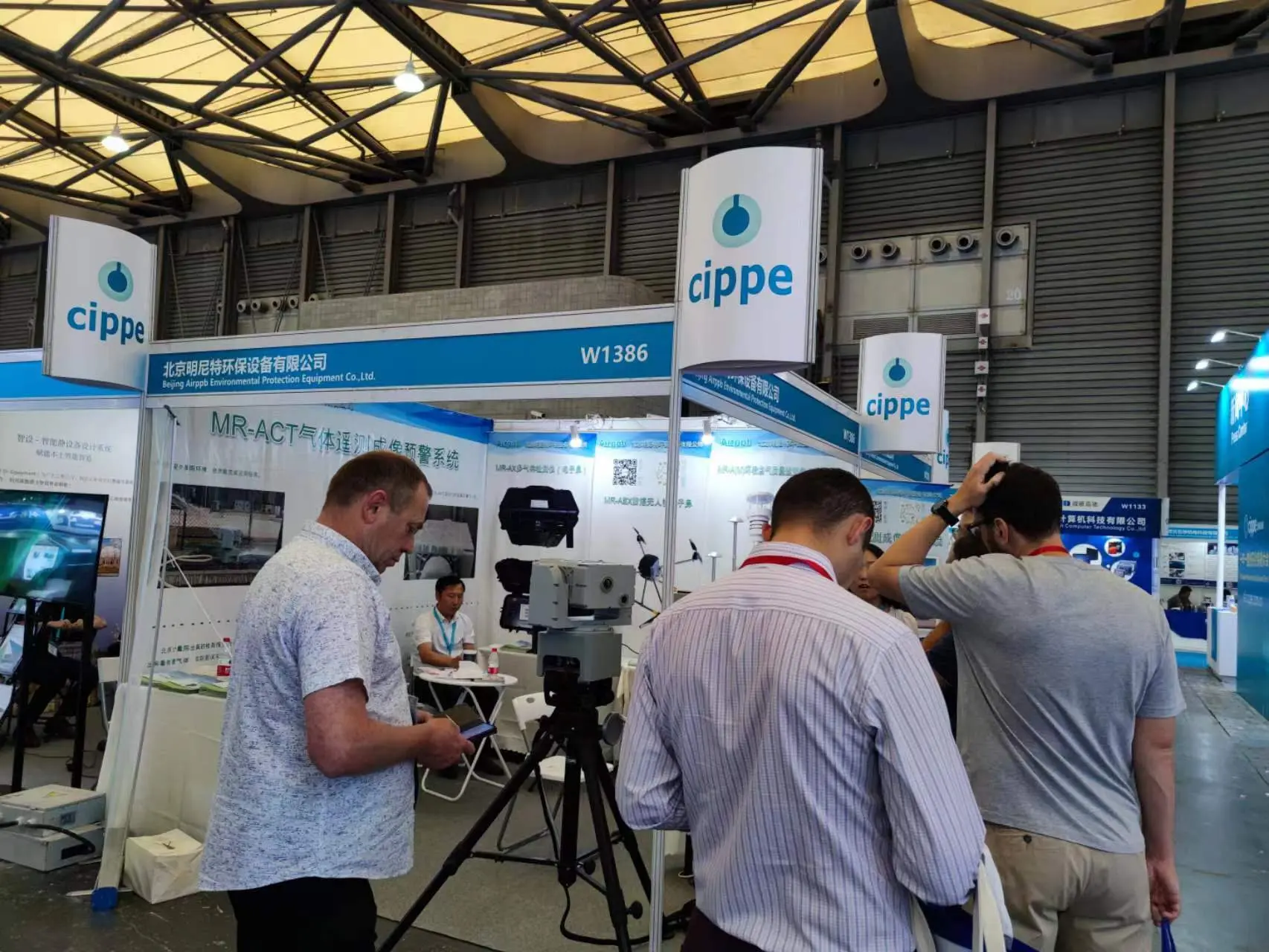
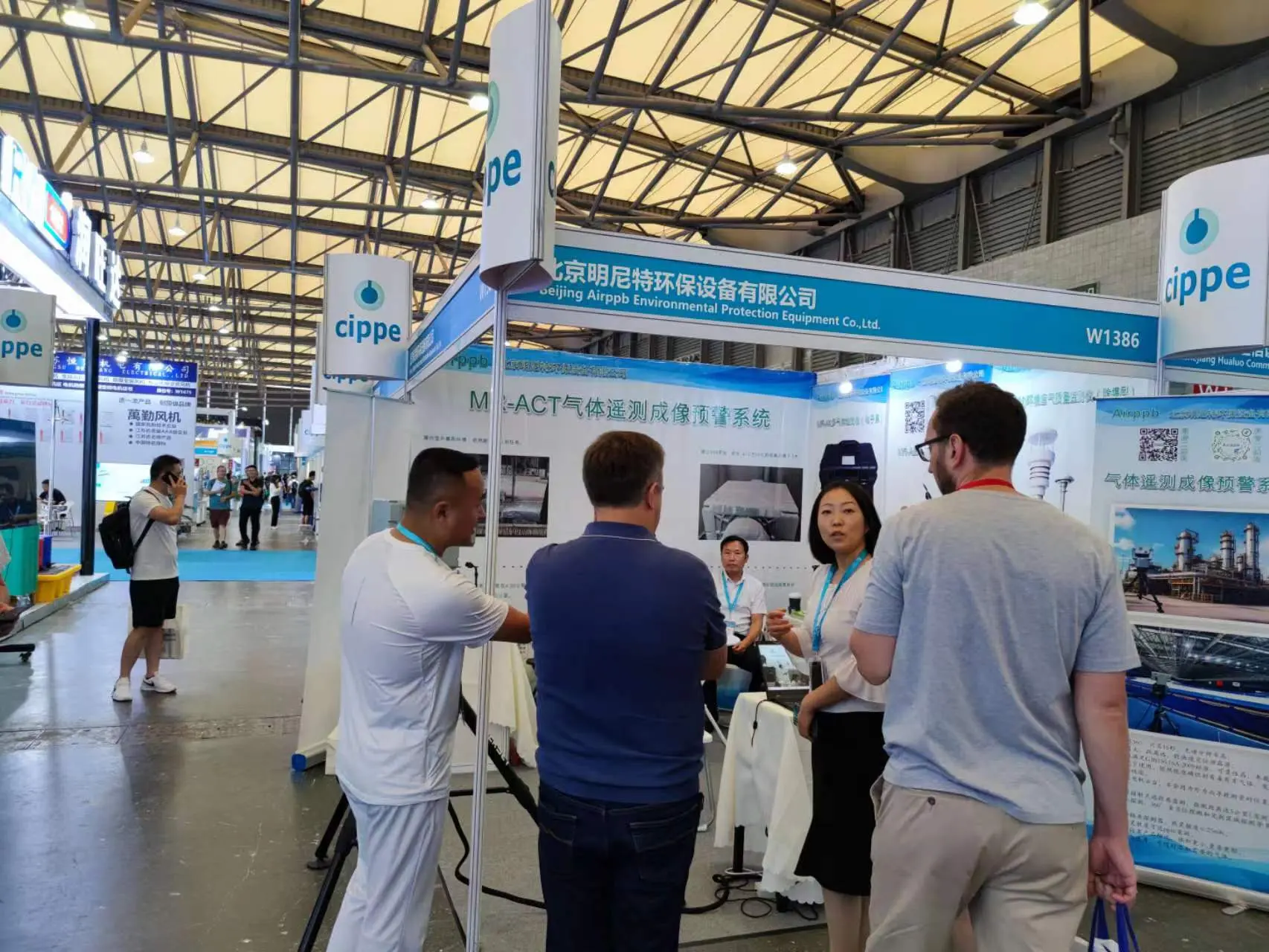
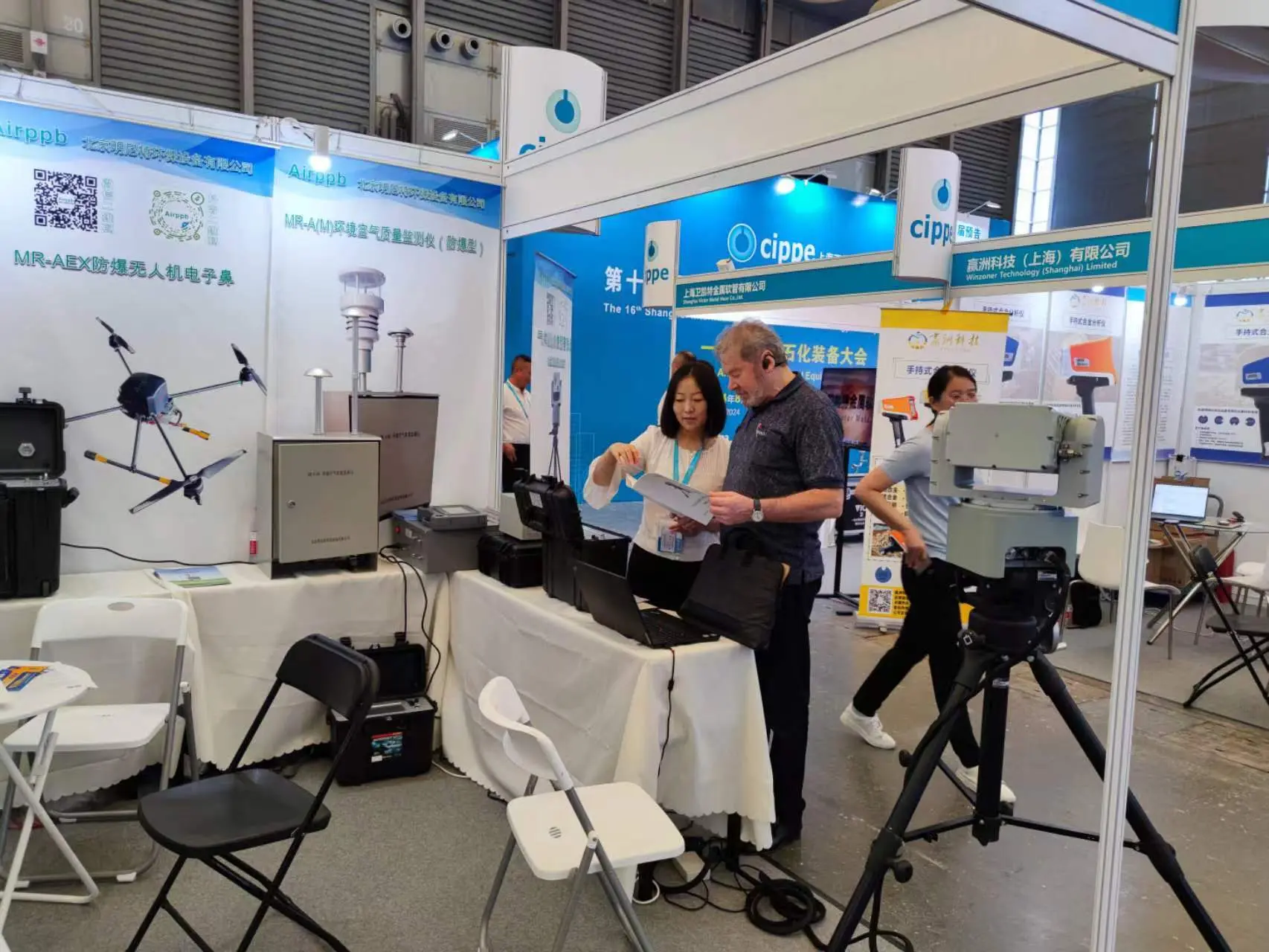

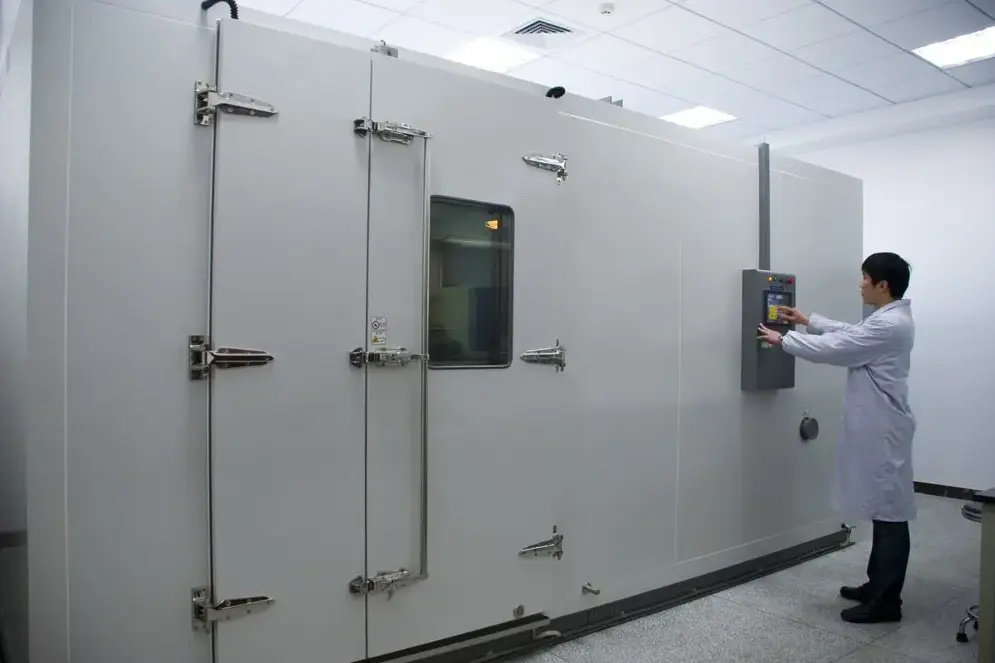
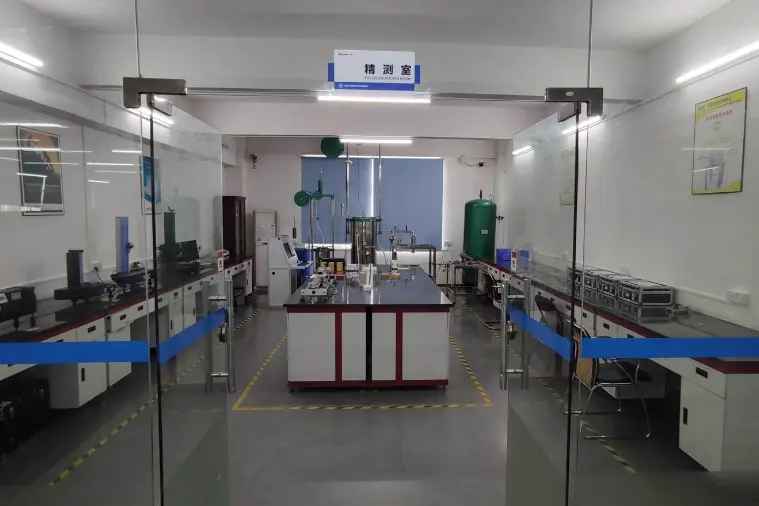
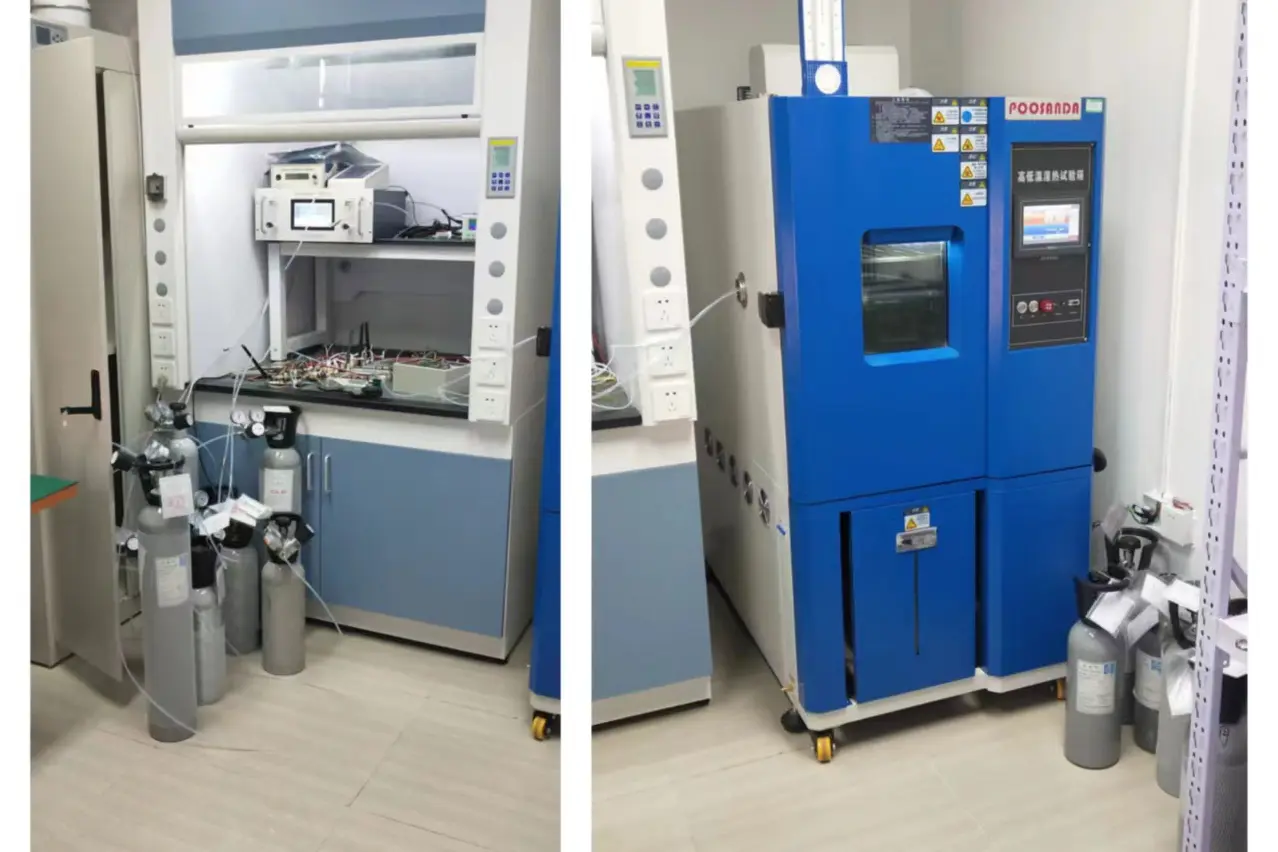
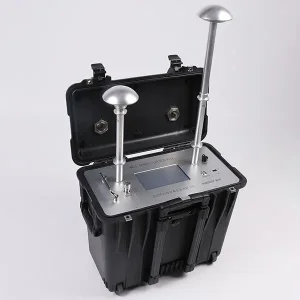
Comprehensive instrumentation suite spanning Fourier transform telemetry, Ion Mobility Spectrometry (IMS), and portable multi-gas dynamic calibration stations.

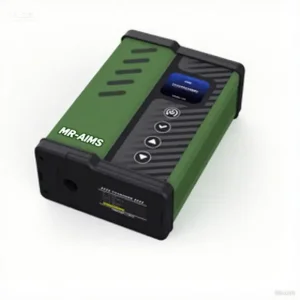
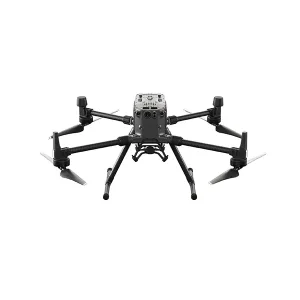
In-depth technical clarifications for engineering directors, procurement officers, and regulatory compliance teams.
Fourier Transform Infrared (FTIR) telemetry provides open-path remote optical scanning across distances up to several kilometers. Unlike conventional electrochemical point probes that require physical gas interaction, FTIR detects molecular absorption fingerprints simultaneously across dozens of volatile hydrocarbons (VOCs, benzene, toluene, xylenes) and inorganic gases (NH₃, CH₄), allowing instantaneous identification of fugitive leaks before they disperse beyond plant boundaries.
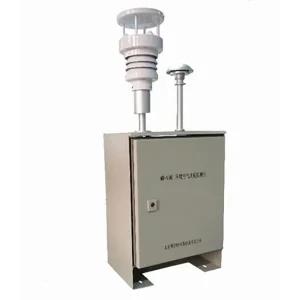
All outdoor monitoring units, including the MR-A(M) and MR-A(S) automatic stations, are engineered with 316L stainless steel or corrosion-resistant aluminum-magnesium alloys coated in fluorocarbon passivation layers. Internal optical cavities and electronic control boards feature hydrophobic conformal coatings and temperature-regulated peltier dehumidification systems to prevent condensation and salt precipitation in harsh marine port environments.
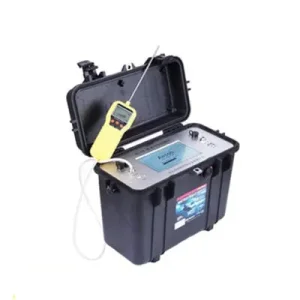
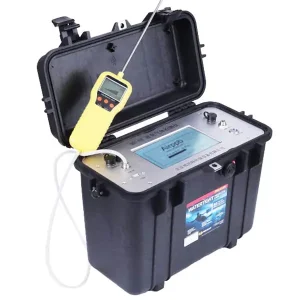
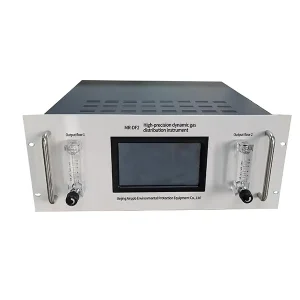
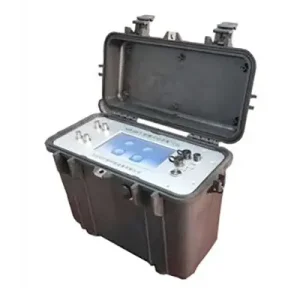
The MR-DF2 and MR-DF3 dynamic gas calibrators utilize high-precision thermal mass flow controllers (MFCs) traceable to primary metrology standards (NIST and CNAS). They enable automated multi-stage dilution of high-concentration standard gases into parts-per-billion (ppb) concentrations, allowing field engineers to calibrate ambient air monitors across multiple linearity checkpoints with repeatability errors under 0.5%.
Yes. With 60% of our enterprise personnel dedicated to research and engineering, Airppb offers extensive ODM/OEM customization. This includes custom embedded telemetry firmware (supporting Modbus, 4G/5G, LoRaWAN, MQTT), proprietary mechanical enclosures, regional metrological certifications, and customized cloud SCADA dashboard integration.
 Airppb