Deploying cutting-edge optical, electrochemical, and telemetry solutions customized for Philadelphia's industrial infrastructure.
The Delaware Valley, including the Port of Philadelphia and surrounding petrochemical complexes, represents one of the oldest industrial corridors in the United States. Navigating this dense concentration of chemical manufacturing, power generation, and maritime shipping requires hyper-local air quality intelligence that satisfies municipal, state, and federal oversight.
Under the Philadelphia City Council’s Air Management Services (AMS) regulations, industrial facilities must manage strict Title V emissions limits, volatile organic compound (VOC) leak detection protocols, and continuous fence-line monitoring demands. Our systems provide the precise, certified data streams needed to manage compliance risks while assuring community stakeholders of safe localized operations.
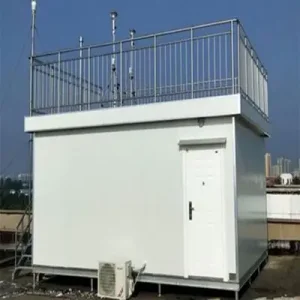
Continuous fence-line VOC tracking designed for the environmental conditions of dynamic coastal and river port facilities.

Analyzing key shifts toward high-precision instrumentation, multi-spectral imaging, and automated QA/QC calibration systems.
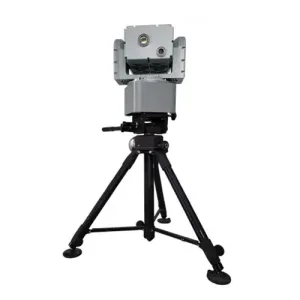
Offline laboratory sampling is giving way to automated Fourier Transform Infrared (FTIR) telemetry and open-path monitoring. Today's facilities require instantaneous detection of hazardous gases like HF, NH3, and VOC plumes before they cross property lines.
Global procurement managers now mandate lower detection limits, moving from parts-per-million (ppm) down to parts-per-billion (ppb). Driven by modern health exposure thresholds, sensors must remain stable without frequent drift.
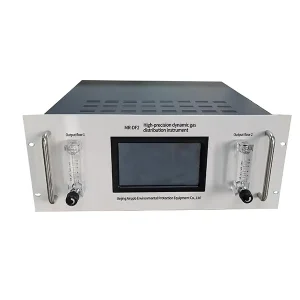
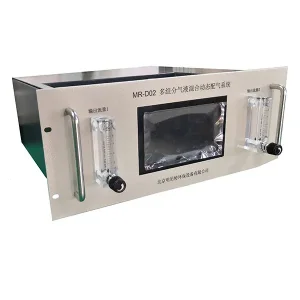
Regulatory compliance requires trace gas monitors to be continuously verified. High-precision dynamic gas distribution meters like the MR-DF3 make accurate on-site multi-gas dilution and QA/QC validation audits automated and simple.
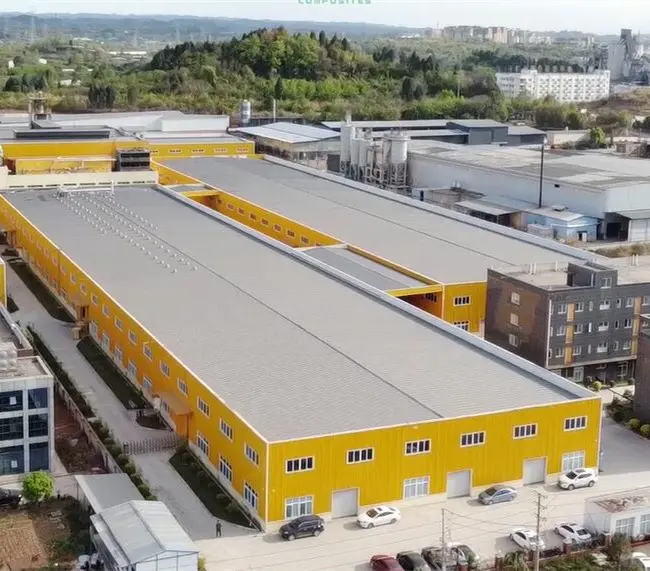
Established in 2012, Minnit (Airppb) is a national high-tech enterprise focusing on the research, development, and industrialized application of precision gas detection instruments. By utilizing technological innovation, we deliver on-site, automated, and intelligent gas monitoring solutions. Over the last decade, we have mastered advanced gas detection technologies, including electrochemistry, PID, and spectroscopy (FTIR).
Our solutions provide comprehensive and professional compliance coverage in advanced industrial facilities, municipal grids, ecological emergency responses, and defense installations worldwide. Operating strictly under ISO9001, ISO14001, and ISO45001 standards, our instruments comply with international and national certifications, delivering accurate test reports supported by CCEP and CNAS/CMA laboratories.
Get Compliance CertificatesYears OEM/ODM Gas Sensing Experience
Dedicated R&D Team Personnel
Global Export Destination Countries
ISO QMS Audited Hardware Production
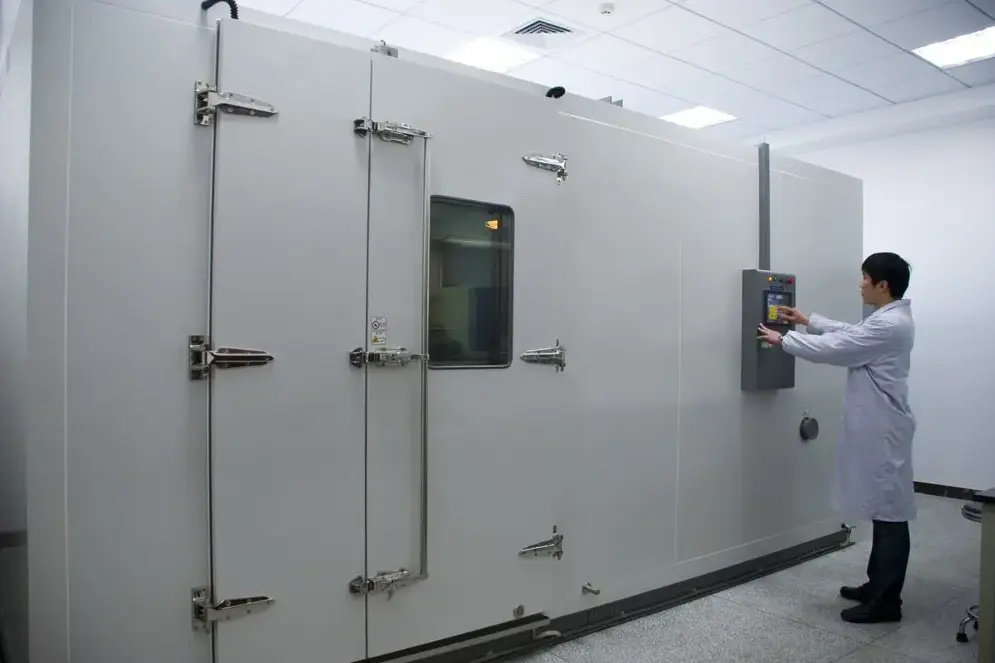
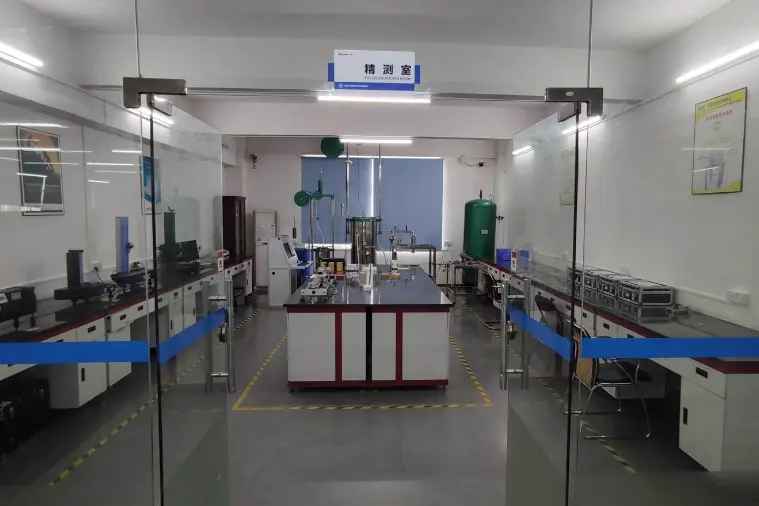
We test and certify our instruments to the highest international standards to guarantee reliable continuous operation.
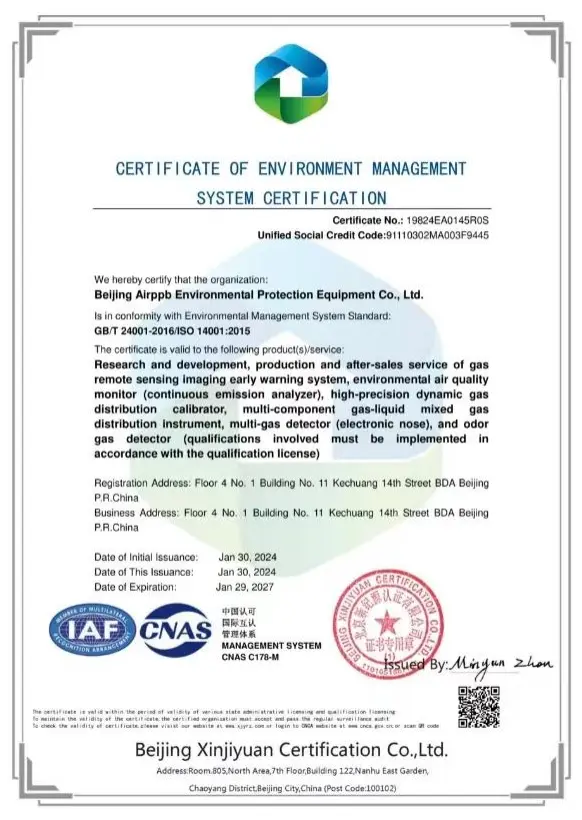
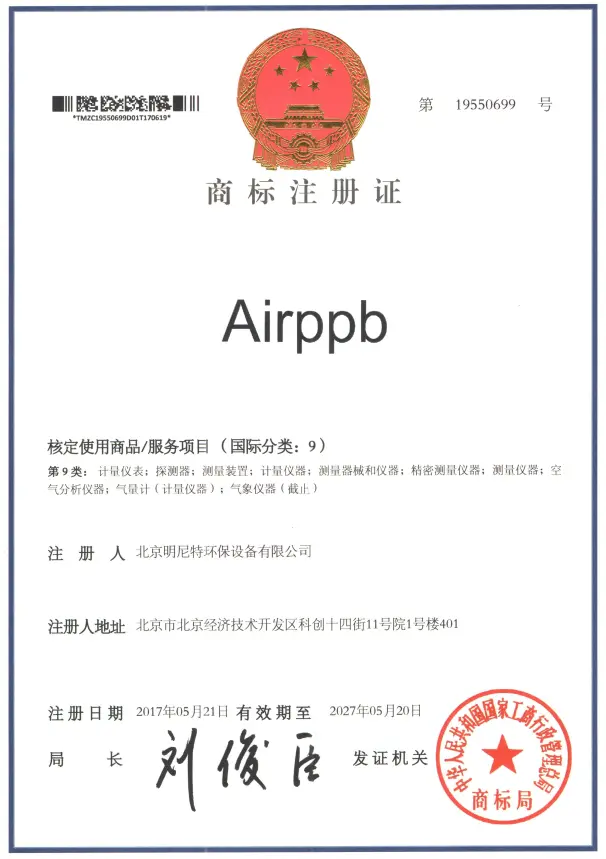
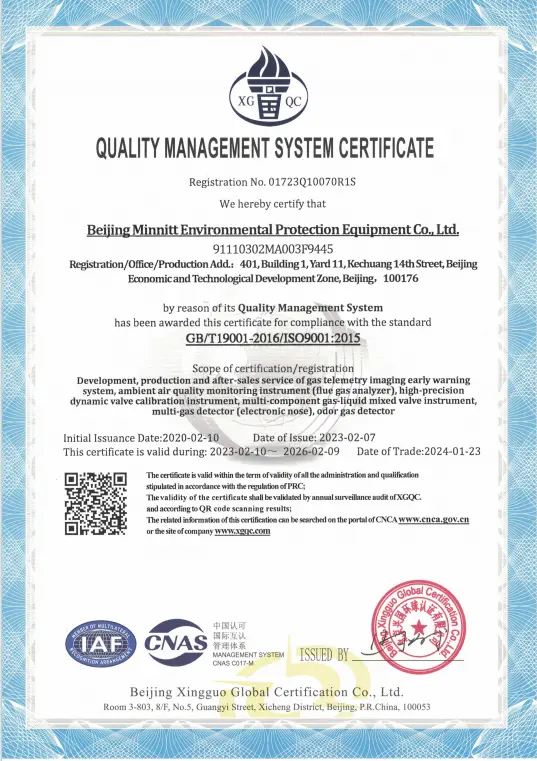
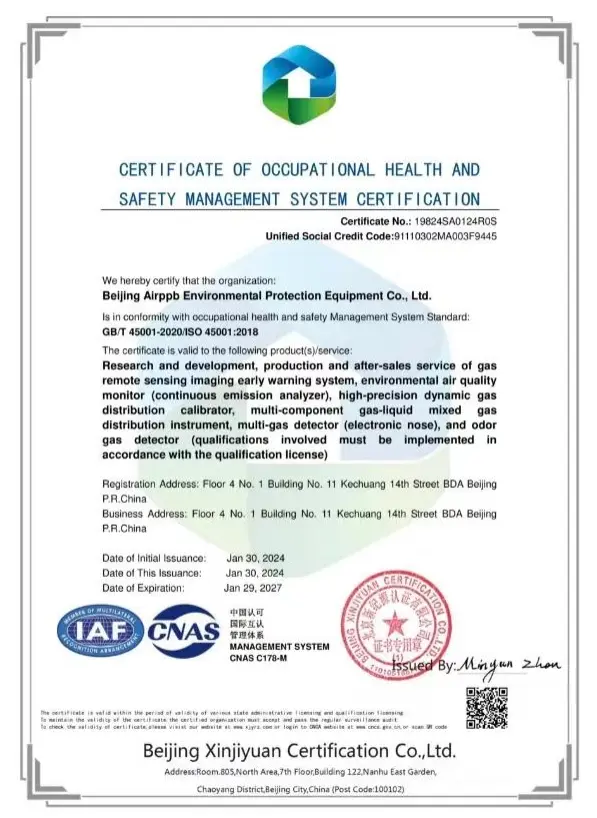
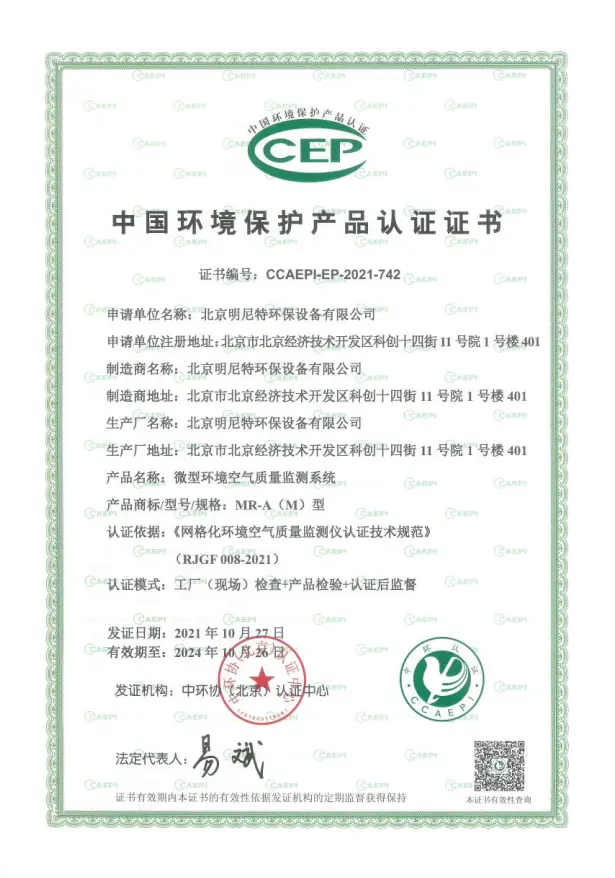
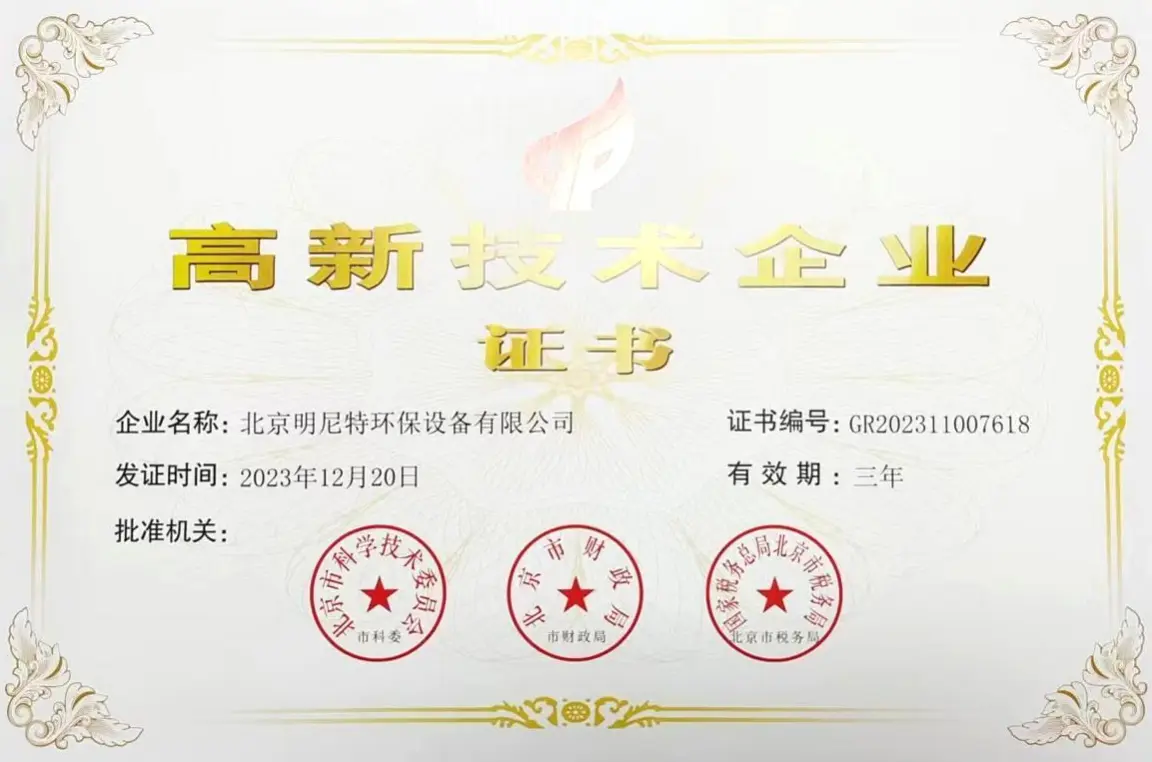

Our production line maintains full compliance with quality management systems, environment safety certifications, and occupational safety models. This ensures every instrumentation unit maintains calibration profile uniformity.
Minnit (Airppb) at international industrial and chemical process technology exhibitions around the world.
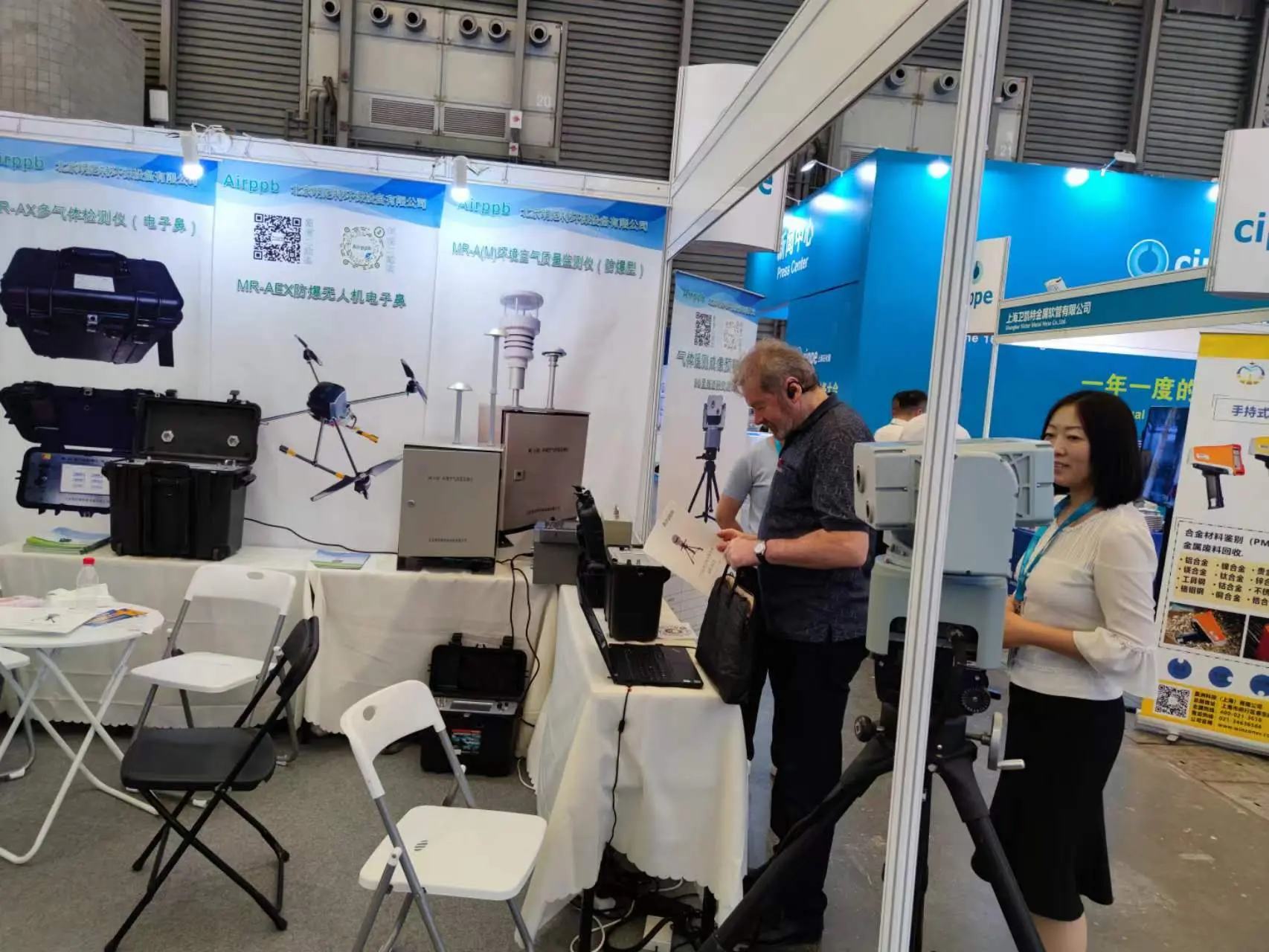
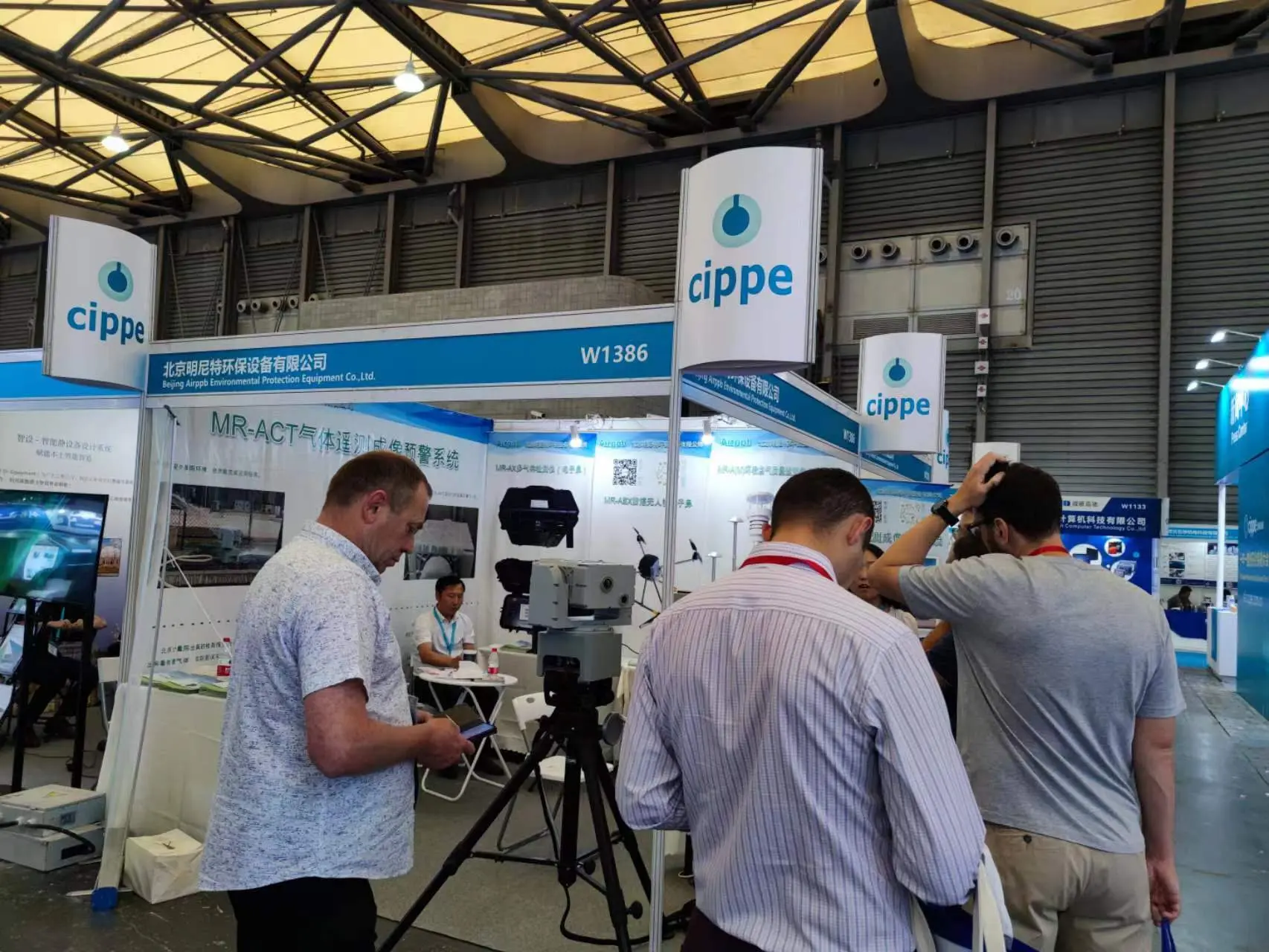
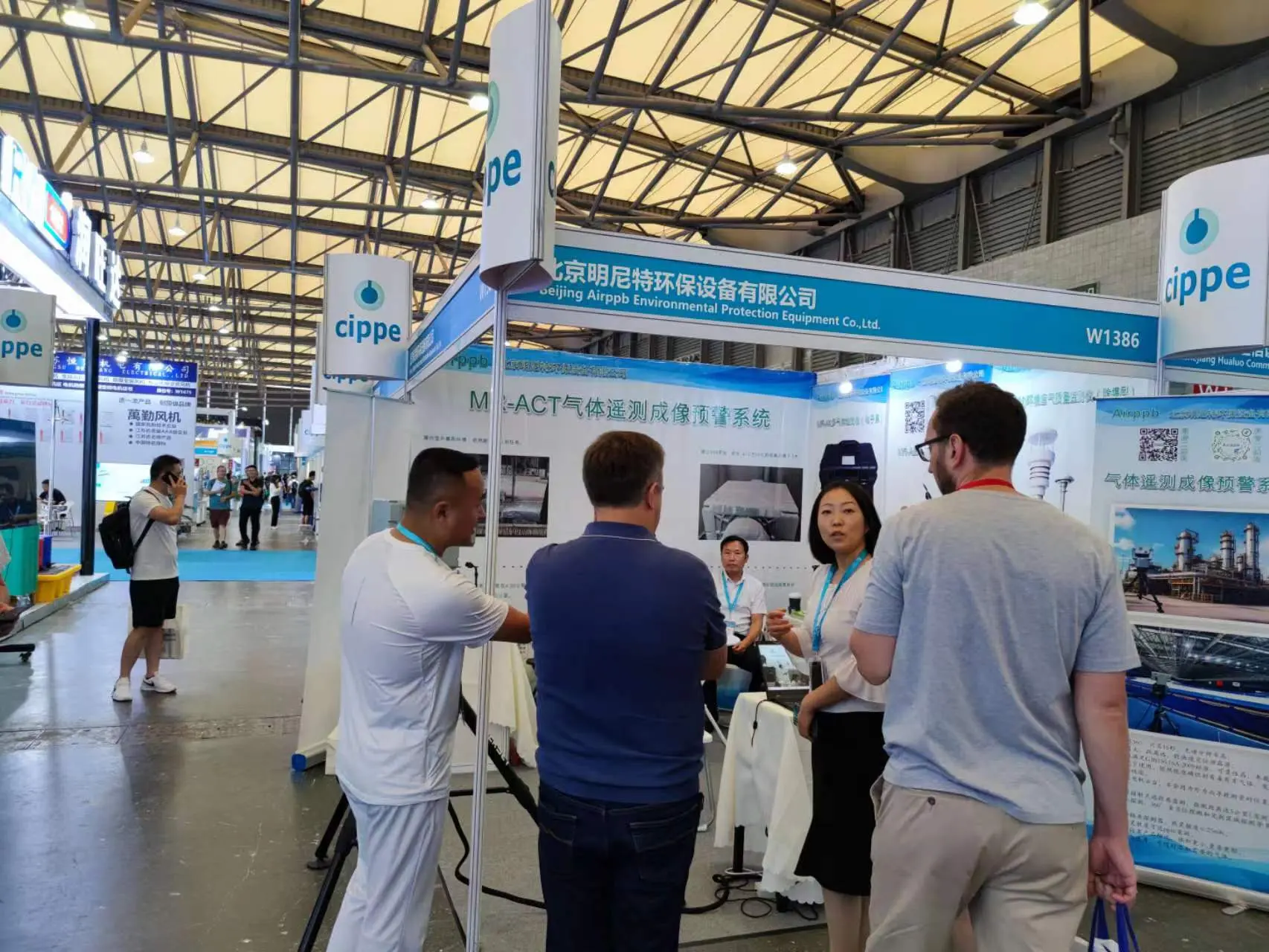
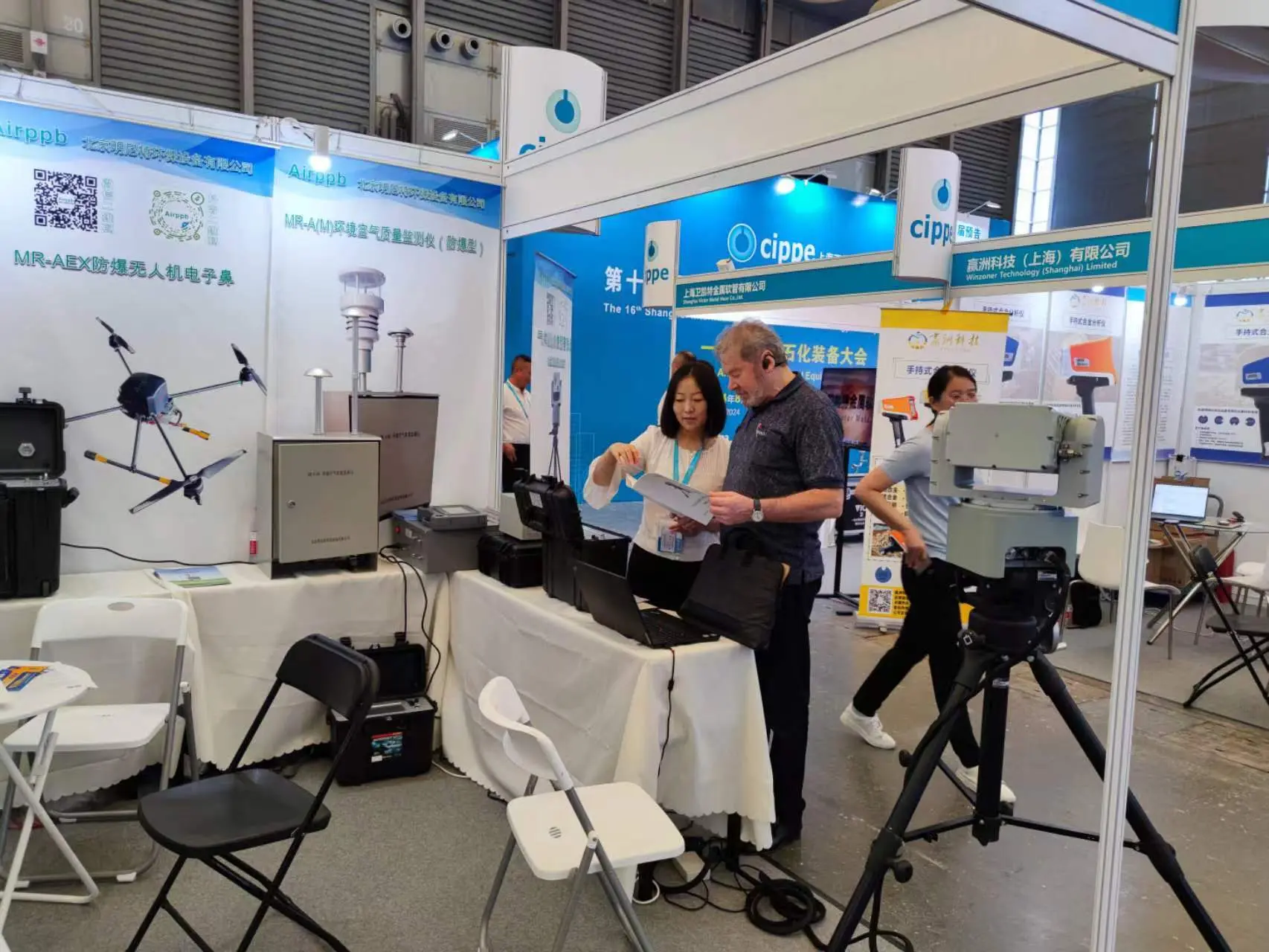

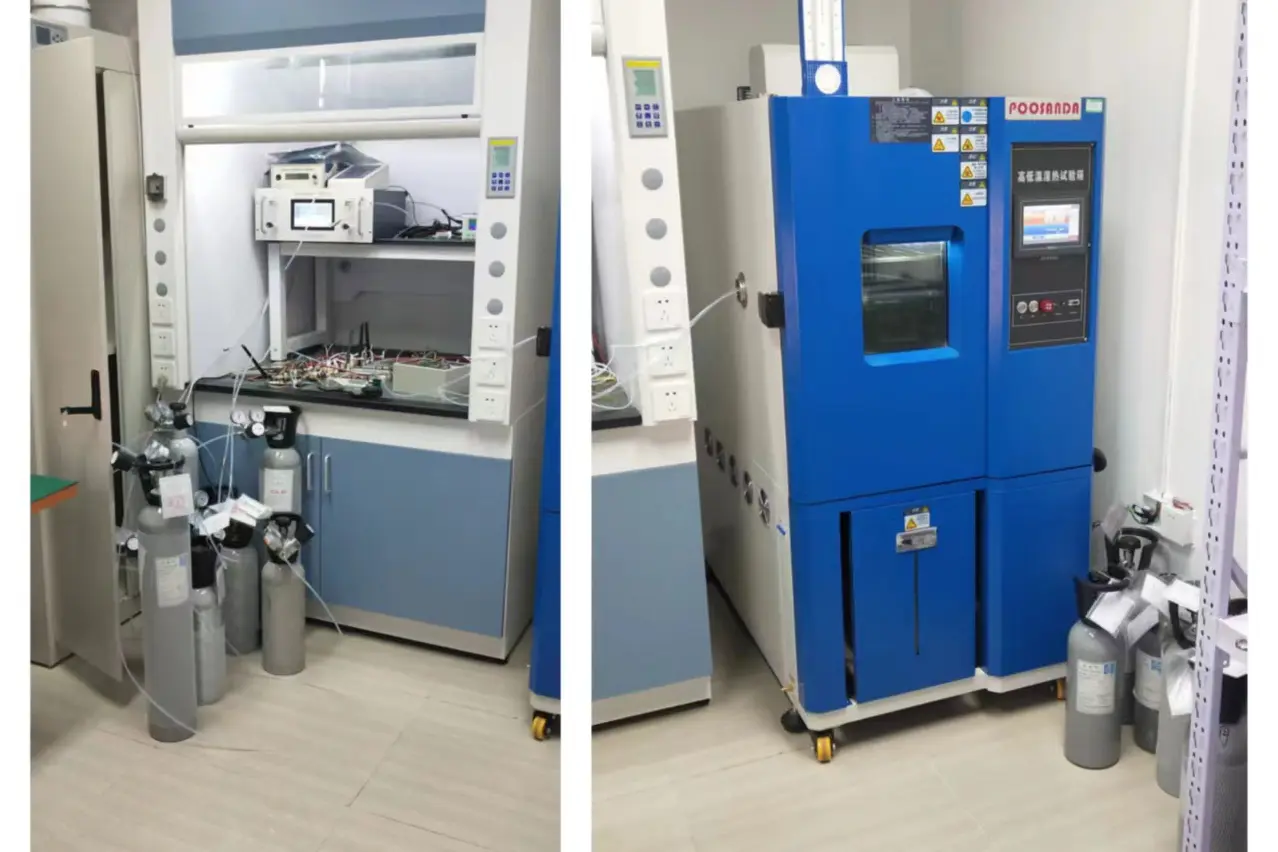
We provide one-stop, turnkey atmospheric monitoring systems to streamline complex compliance protocols.
Designed to transition your unique regulatory mandates into reliable detection hardware. Minnit (Airppb) delivers structural engineering, electronic board layouts, optical bench optimization, and customized firmware calibrations.


To assure regulatory compliance with EPA Region 3 requirements in the Mid-Atlantic, our multi-component gas distribution instruments construct dynamic calibration mixtures on demand. Using high-accuracy mass flow controllers, we reproduce accurate concentration points to test the linearity, responsiveness, and limits of detection for VOCs, criteria pollutants, and toxic stack gases.
Review Integration ArchitectureOur systems are deployed across 40+ countries and regions. From petrochemical facilities along the Delaware River in Philadelphia to large-scale refineries in the Mid-East and industrial hubs in Eastern Europe, our atmospheric telemetry frameworks run continuously under tough conditions.
Every deployment benefits from local logistics pathways, responsive field support networks, and rapid calibration parts replacement services. We ensure your monitoring grids stay active and compliant year-round.
Locate Global Support Representative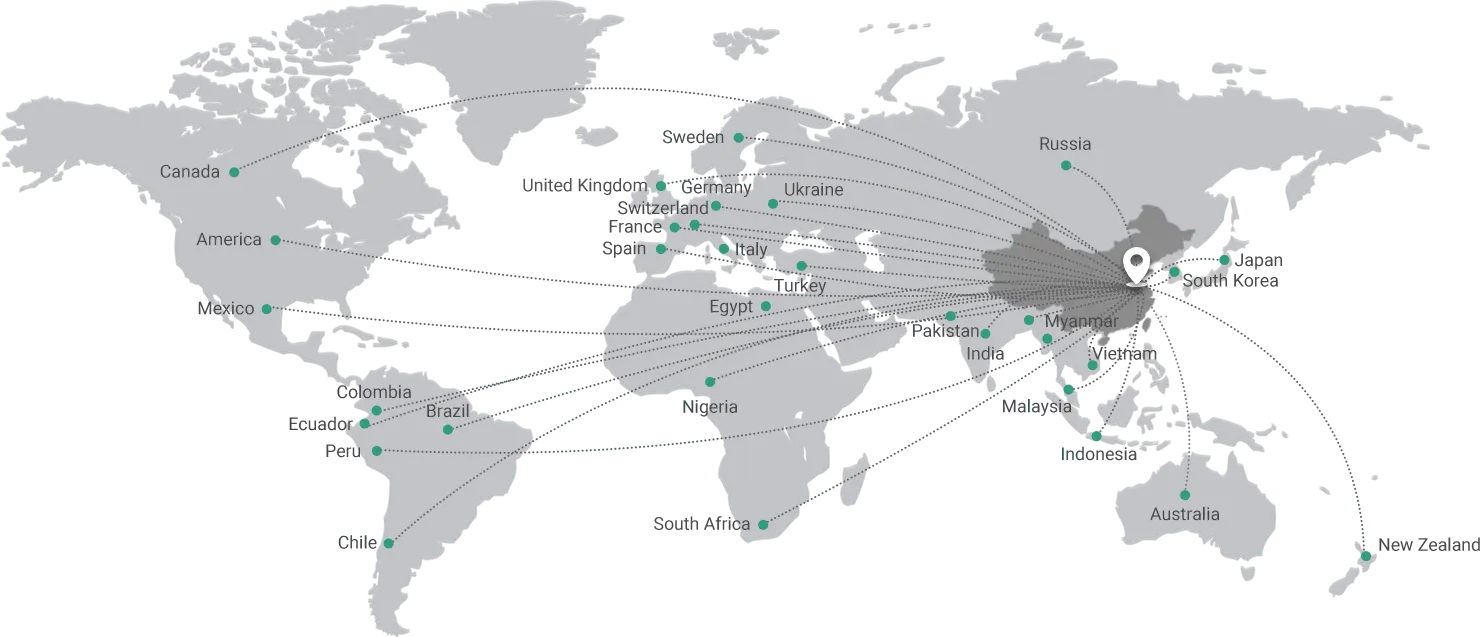
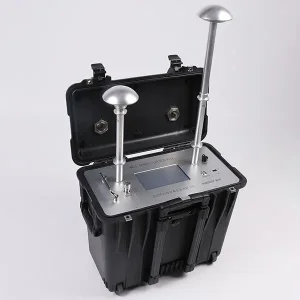
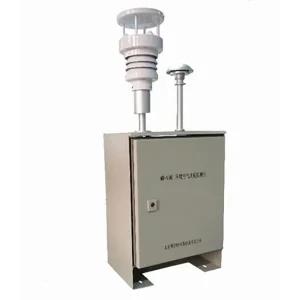
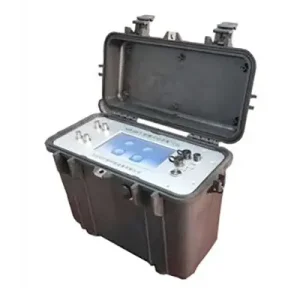
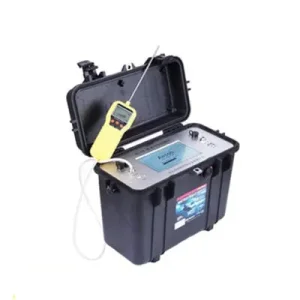
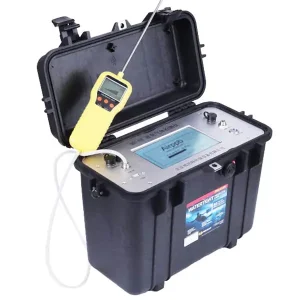
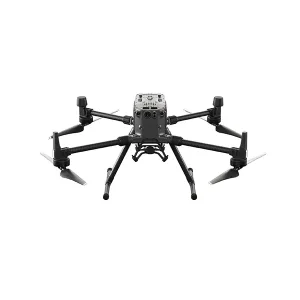
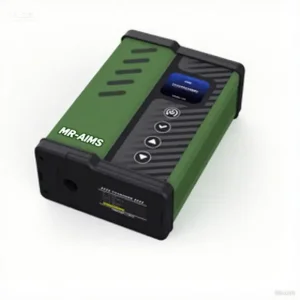
Robust ambient air quality monitors, dynamic gas mixers, and rapid chemical identifiers optimized for Delaware Valley industries.
Developing next-generation detection grids using artificial intelligence, sensor fusion, and micro-spectral analysis.
Our upcoming product development centers on integrating hardware sensors with advanced cloud computing networks. By blending physical sensor arrays with chemical dispersion algorithms, we are building systems that don't just report gas levels, but pinpoint leak sources in real time.
Modern industry demands transparency. Our development pathway focuses on meeting the carbon capture, storage (CCS), and fugitive methane reporting standards of tomorrow. We ensure your instrumentation handles changes in both regional industrial processes and federal reporting frameworks.
Direct answers for environmental engineering leads, procurement directors, and compliance officers.
 Airppb