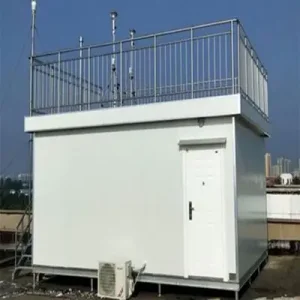
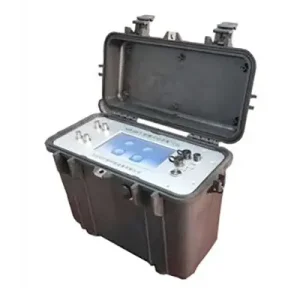
Optimized remote sensing and ambient gas monitoring platforms designed for tropical maritime and oil refining deployments.
In the era of dynamic climate shifts, stringent environmental mandates, and high-consequence industrial production, the field of atmospheric monitoring has evolved far beyond standard ambient air quality indexing. High-precision gas detection, telemetry imaging, and real-time gas distribution are critical anchors for modern national infrastructure, ecological preservation, and national defense. As one of Sub-Saharan Africa’s key oil and gas producers, Equatorial Guinea occupies a unique intersection of heavy maritime petrochemical extraction, ecologically sensitive equatorial rainforests, and active volcanic zones on Bioko Island. Implementing localized, resilient, and highly precise monitoring technologies is not merely an option—it is a critical requirement for national safety, compliance, and industrial efficiency.
Equatorial Guinea's economy and infrastructure are fundamentally anchored in the hydrocarbon sector. With massive production hubs located at Punta Europa (Bioko Island), offshore fields in the Gulf of Guinea (such as Zafiro, Alba, and Alen), and expanding processing networks in Rio Muni (Bata), the country stands as a pivotal petrochemical hub. Industrial activities ranging from LNG liquefaction, LPG separation, and methanol synthesis generate trace gas and greenhouse emissions that must be rigorously managed to satisfy international environmental agreements and national health frameworks.
Furthermore, the geographic isolation of Bioko Island coupled with its tropical climate (characterized by persistent high humidity, high temperatures, and salt-laden marine air) places immense physical stress on electronic and optical sensor hardware. Standard, off-the-shelf gas detectors frequently fail in these humid environments due to moisture condensation, electrochemical cell degradation, and optical lens fogging. Consequently, industrial operations in Malabo and Bata demand ruggedized, salt-fog resistant, and high-precision systems. This includes Open-Path Fourier Transform Infrared (FTIR) telemeters and PID-based detectors capable of functioning continuously under extreme equatorial weather conditions.
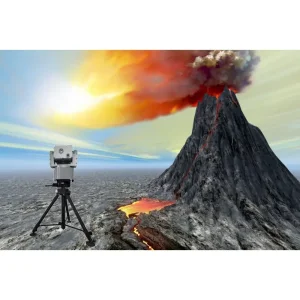
A crucial and often overlooked local variable in Equatorial Guinea is the geological activity linked with Pico Basile and the Cameroon Volcanic Line. Volcanic emissions contain massive concentrations of toxic and corrosive gases, predominantly Sulfur Dioxide (SO2), Hydrogen Sulfide (H2S), Carbon Dioxide (CO2), and hydrochloric acid fumes. These gases present severe health risks to the population of Malabo, which sits directly on the slopes of Pico Basile, and can accelerate the corrosion of critical offshore drilling apparatus and onshore refineries.
Deploying remote gas telemetry systems, such as the MR-ACT Remote Volcanic Gas Monitoring System, enables local civil defense and industrial operators to establish a continuous, real-time chemical early warning perimeter. By identifying anomalies in gas ratios (e.g., H2S/SO2 ratios), authorities can predict volcanic outgassing episodes and safeguard surrounding communities and maritime energy operations.
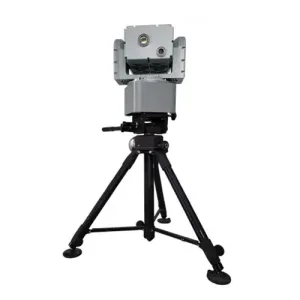
Globally, the atmospheric monitoring market is undergoing a structural shift from point-source detection to wide-area remote telemetry. Traditional point sensors are excellent for confined space entry but fail to map diffuse fugitives, pipeline leaks, or large-scale refinery emissions over vast geographical expanses. The convergence of infrared spectroscopy, machine learning algorithms, and high-resolution thermal imaging has paved the way for Optical Gas Imaging (OGI) and Fourier Transform Infrared (FTIR) telemetry.
These systems permit non-contact, real-time visualization of hydrocarbon plumes (such as methane, ethane, and VOCs) from distances up to several kilometers. Major oil and gas corporations globally are adopting these methodologies to satisfy Net-Zero methane commitments, where localized fugitive emissions must be identified, quantified, and repaired within hours rather than weeks.
For procurement directors in Equatorial Guinea, the Middle East, and Latin America, sourcing instrumentation from advanced Chinese manufacturing hubs provides unparalleled strategic benefits. As represented by leading high-tech entities like Beijing Airpbb Environmental Protection Equipment Co., Ltd., the Chinese industrial ecosystem has transitioned from simple assembly to pioneering original intellectual property in gas optics, spectroscopy, and calibration engineering.
Establishing a comprehensive monitoring network requires deploying systems across four distinct operational domains:
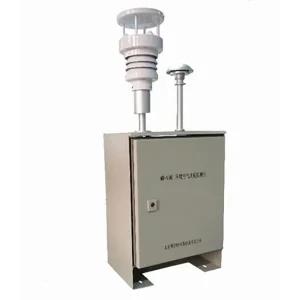
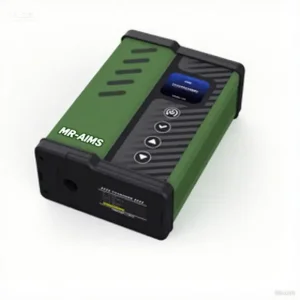
Deploying automatic monitoring stations (MR-A(S)) and telemetry systems around the Punta Europa petrochemical complex to detect invisible gas leaks, safeguarding site personnel and avoiding costly process shutdowns.
Positioning remote open-path FT-IR spectrometers on the flanks of Pico Basile to continuously measure acidic gas concentrations, offering key predictive data to municipal disaster management departments in Malabo.
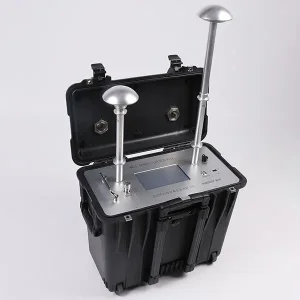
Deploying micro-air stations (MR-A(M)) along Malabo Port and Luba Freeport to track marine fuel particulate matter, volatile organic compounds (VOCs), and sulfurous emissions originating from shipping lanes.
International procurement groups sourcing gas analysis instrumentation face multifaceted challenges. They must balancing technical specificity, calibration reliability, and post-purchase operational support. In the gas instrumentation sector, buying decisions are driven by three fundamental requirements:
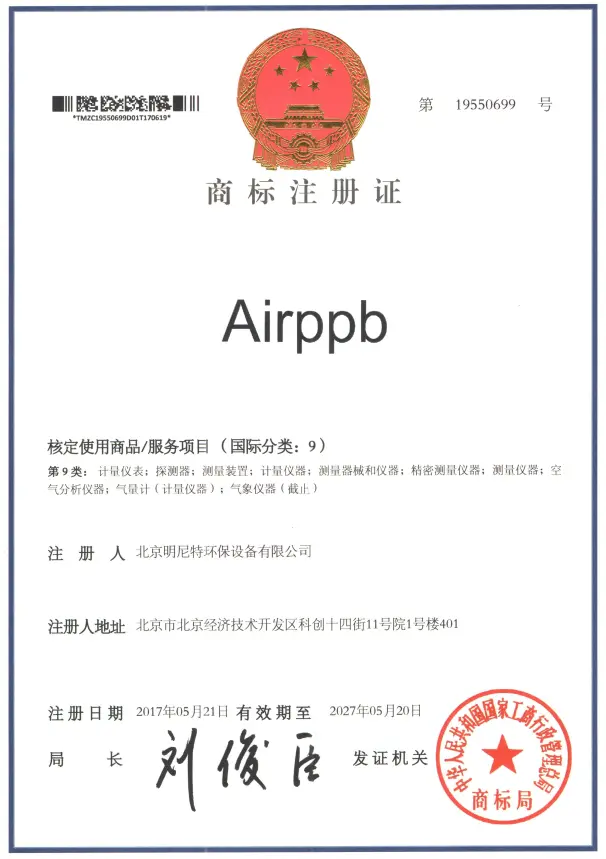
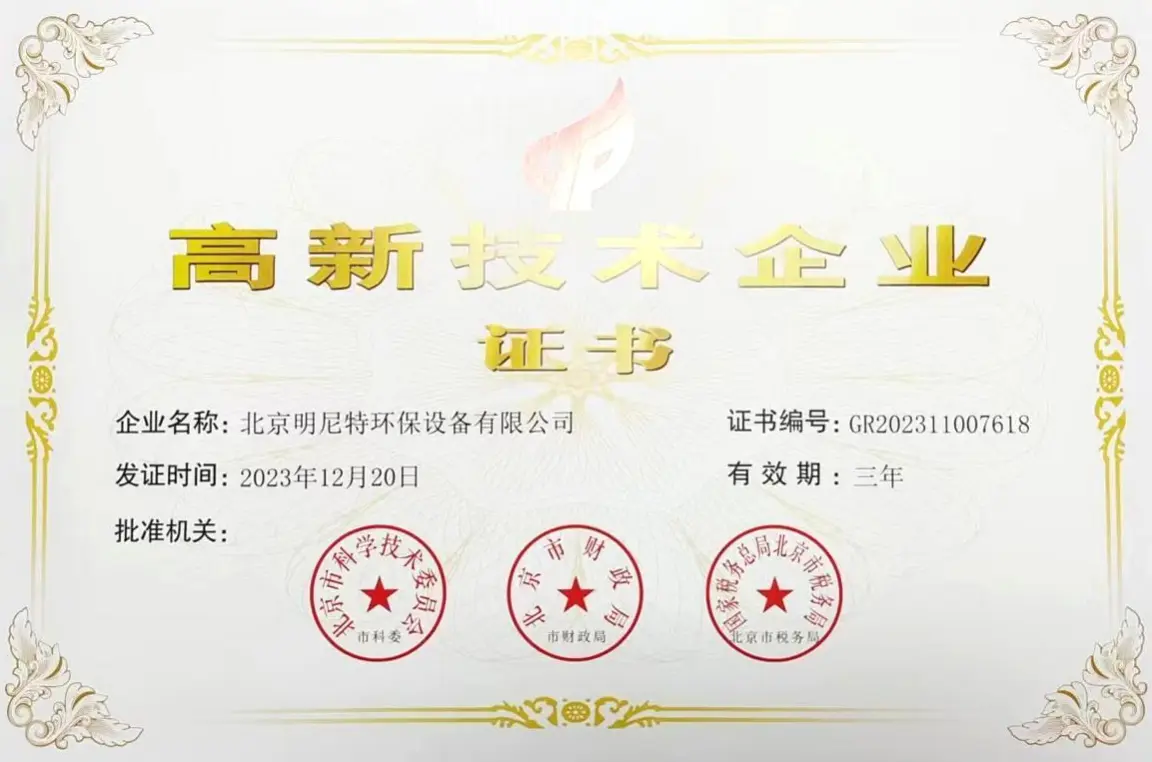
Minnit(Airppb) is a national high-tech enterprise focusing on the research and development and industrialized innovative application of precision gas detection instruments. The company uses technological innovation to realize on-site, automated and intelligent analysis, detection and monitoring, and is committed to becoming the world's leading manufacturer of scientific instruments.
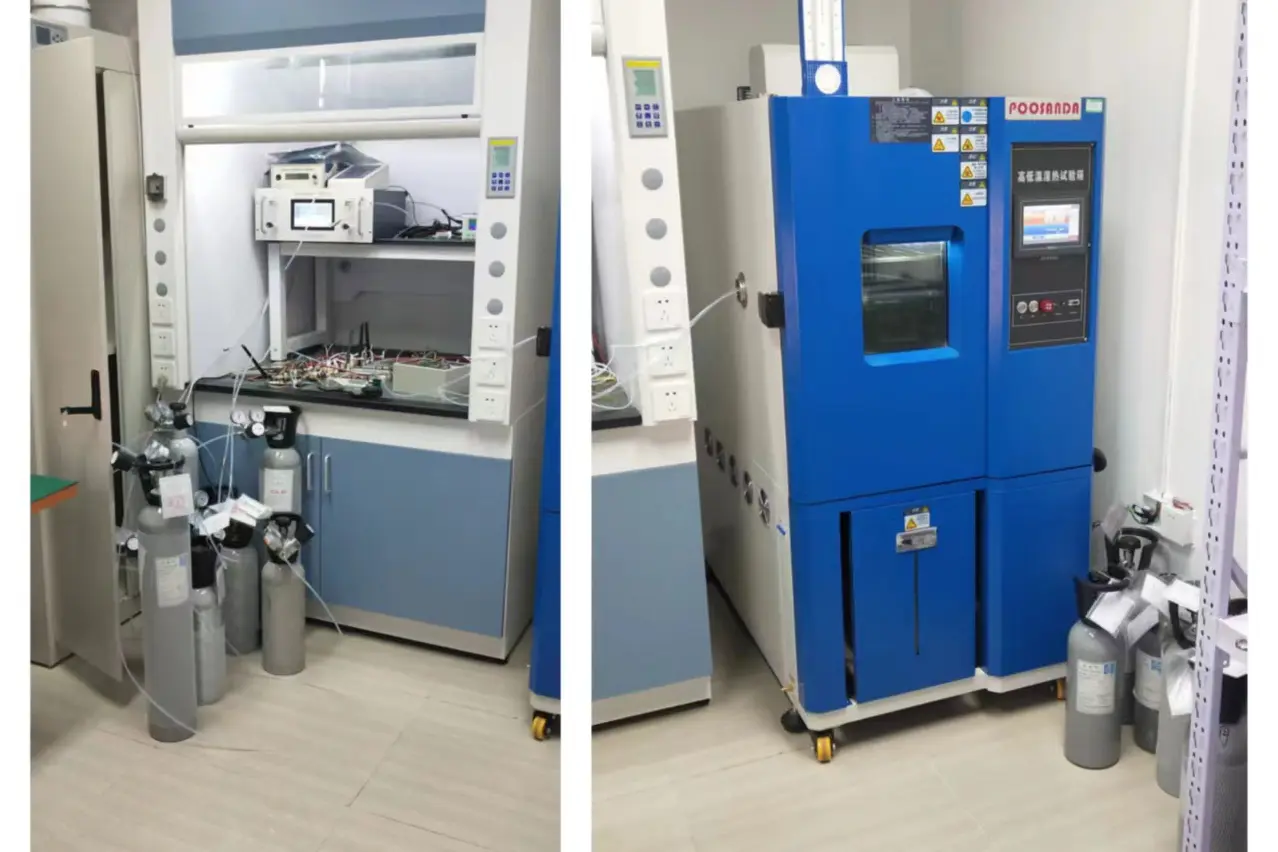
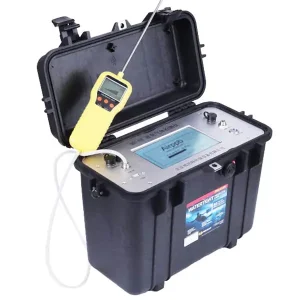
It has mastered relatively complete gas analysis and detection technologies such as electrochemistry, PID, and spectroscopy, and developed laboratory Analysis, on-site analysis (portable, online, mobile), automated analysis and a series of technologically leading product portfolios provide global users with comprehensive and professional solutions in the fields of advanced industry, ecological environment emergency safety and other fields.
Contact Minnit(Airppb) →
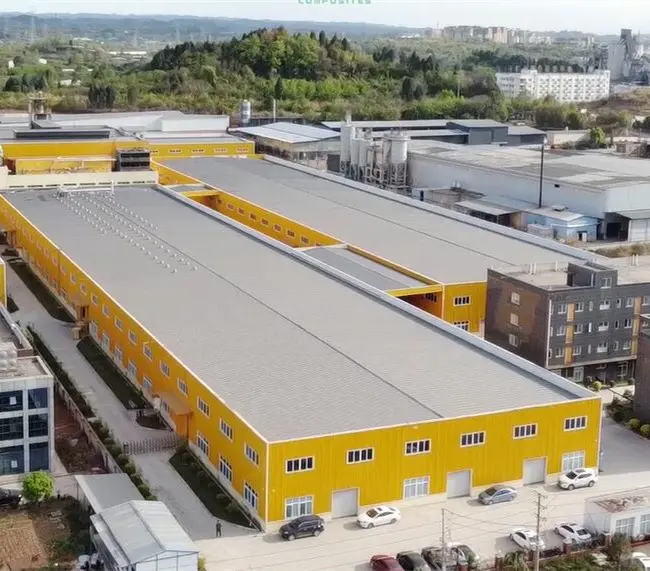
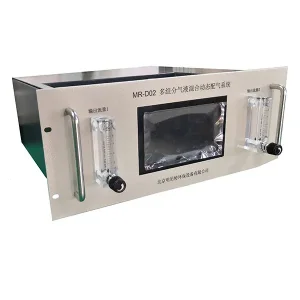
The group company was established in 2012 and is committed to the development and production of Fourier infrared gas remote sensing imaging early warning systems, ambient air quality monitors, high-precision dynamic gas distribution meters, multi-gas emergency detectors, ambient air analysis, detection and other related instruments and OEM /ODM various gas detectors.
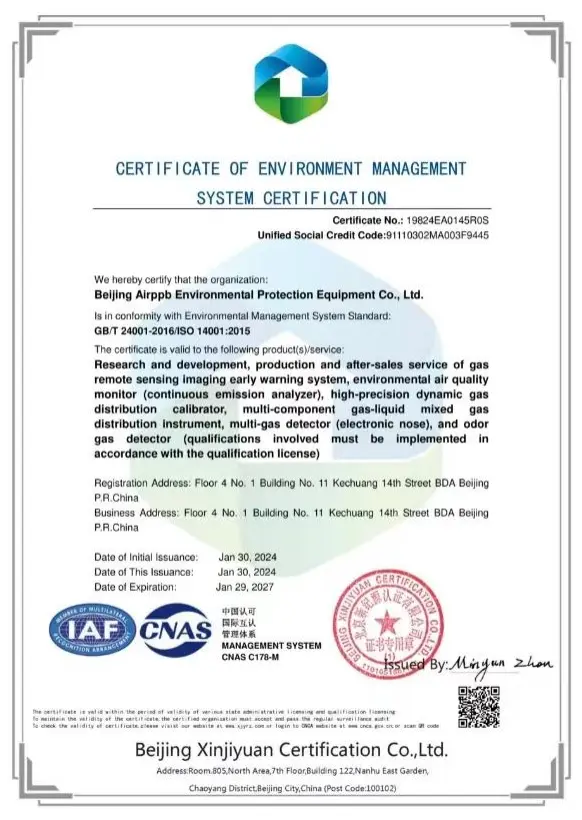
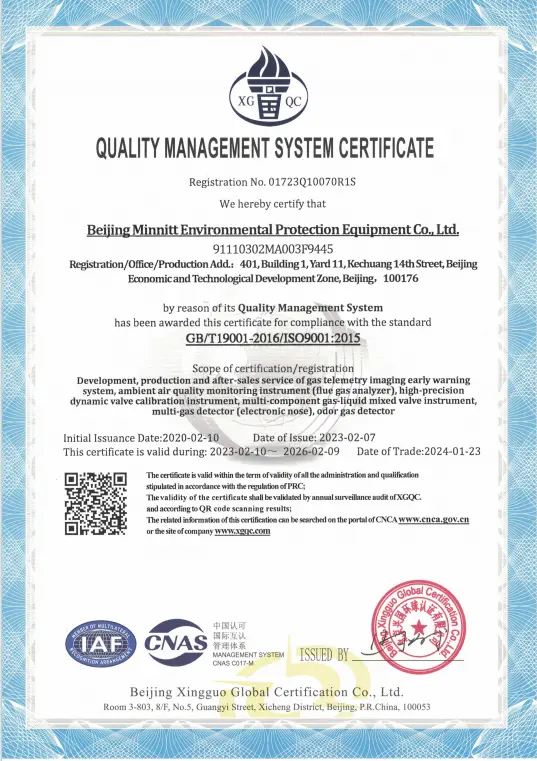
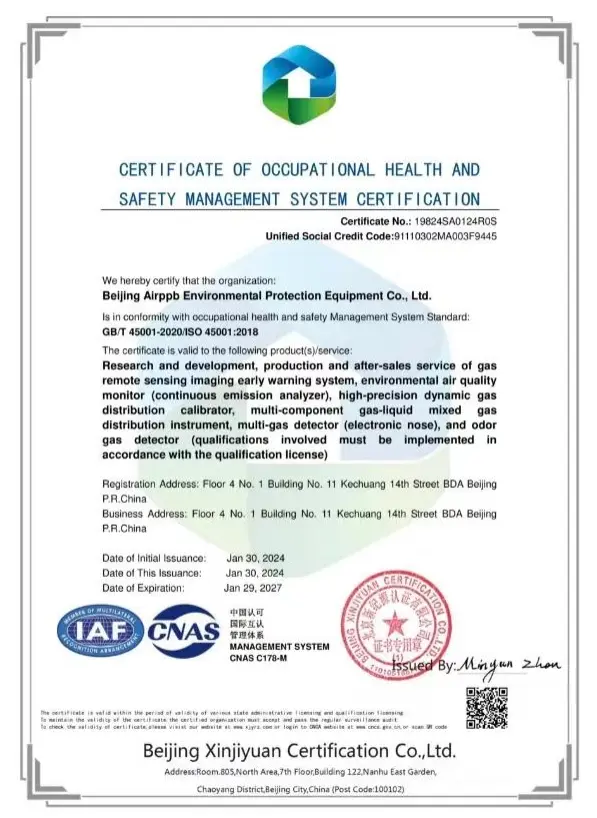
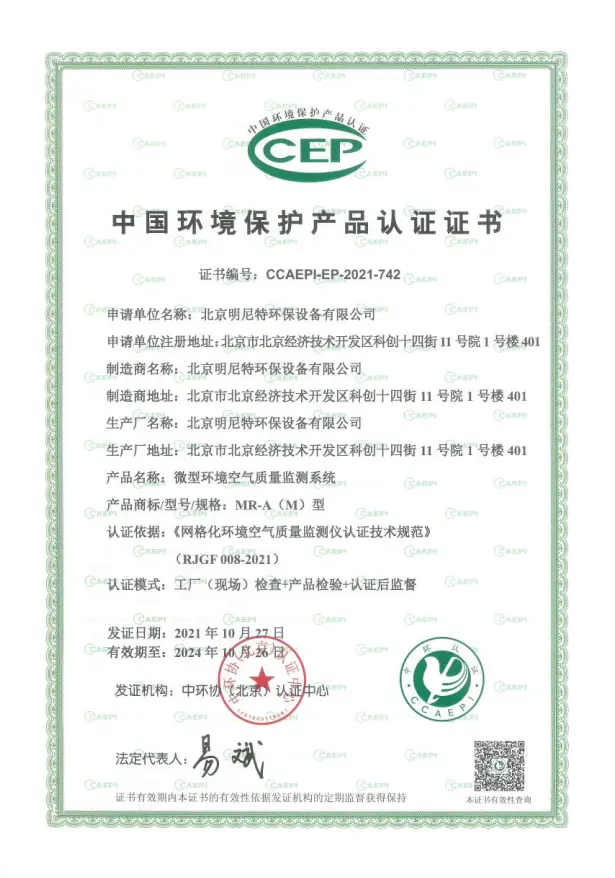
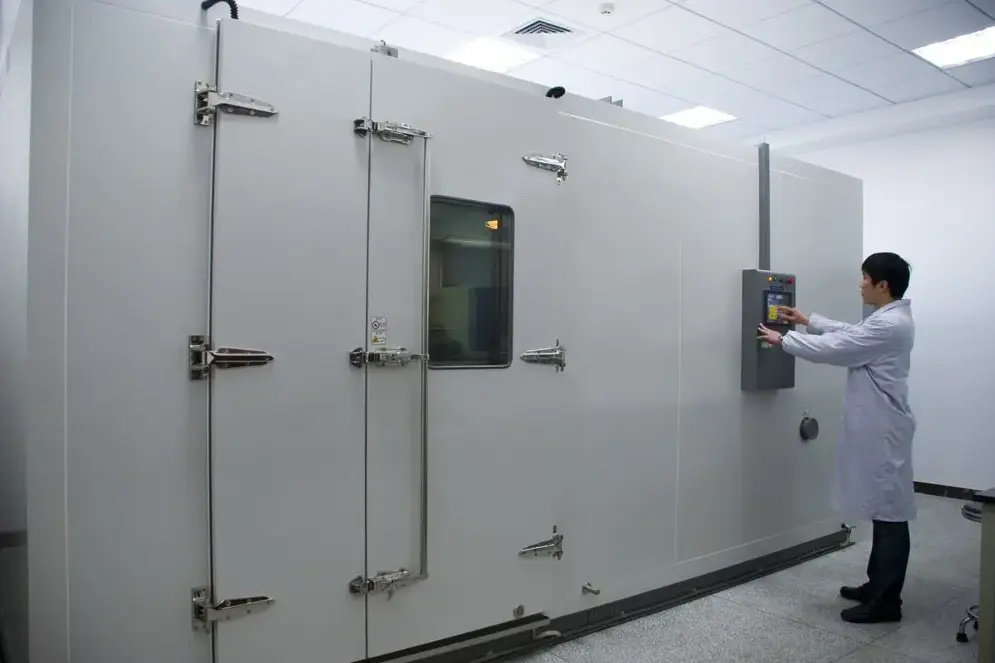
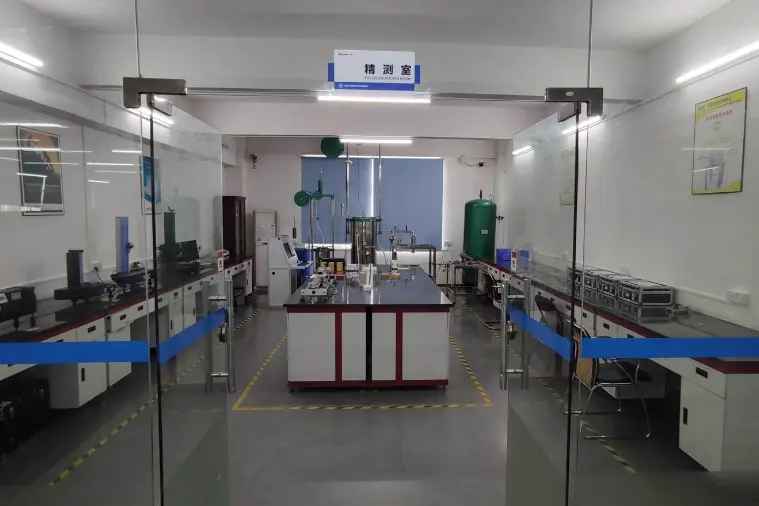
The company has a number of intellectual property rights. Product quality strictly follows ISO9001 QUALITY MANAGEMENT SYSTEM CERTIFICATE, ISO14001 CERTIFICATE OF ENVIRONMENT MANAGEMENT SYSTEM CERTIFICATION, ISO45001 CERTIFICATE OF OCCUPATIONAL HEALTH AND SAFETY MANAGEMENT SYSTEM CERTIFICATION. Comply with product certifications from relevant national departments, such as CPA, CCEP, CNAS/CMA test reports, etc.
Our systems comply with the highest international environmental, quality, and occupational health standards.

Tailored engineering services to ensure complex environmental and process analytical issues are simplified efficiently.
Letting customers better promote their own local brands in Equatorial Guinea and beyond.
Our internal R&D department accounts for 60% of the entire company group.
Complete responsibility for machine reliability, sensor lifespan, and after-sale support.
Highly trained application engineers to map system integration to your local workflows.
Our R&D team continuously innovates, creating gas telemetry networks capable of working seamlessly within heavy industrial infrastructures, chemical plants, and environmental preservation programs. We offer robust OEM services, enabling global partners to customize software configurations, language options, dynamic measurement scales, and structural form factors to align with localized atmospheric dynamics.
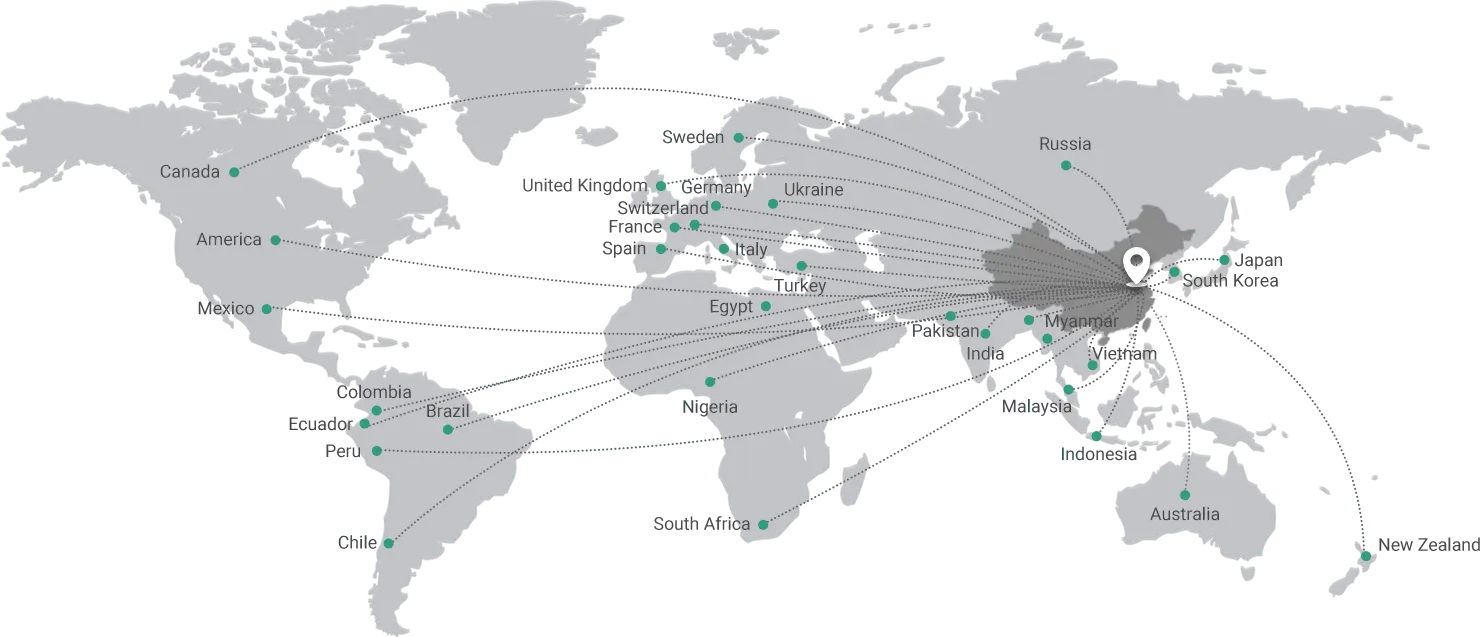
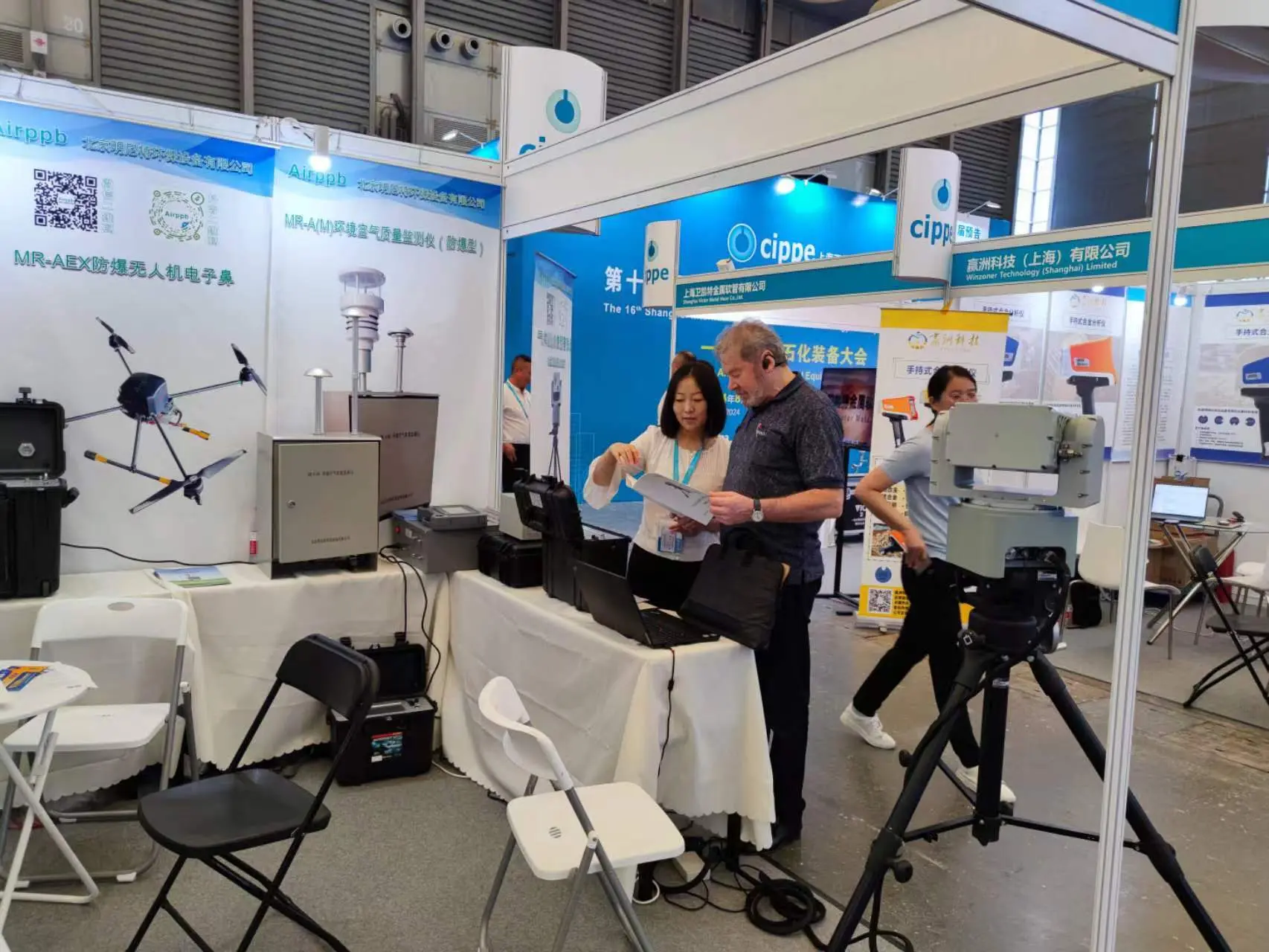
Having participated in primary analytical instrumentation exhibitions globally, we have proven the rugged design of our monitors under direct physical scrutiny from international engineering associations.
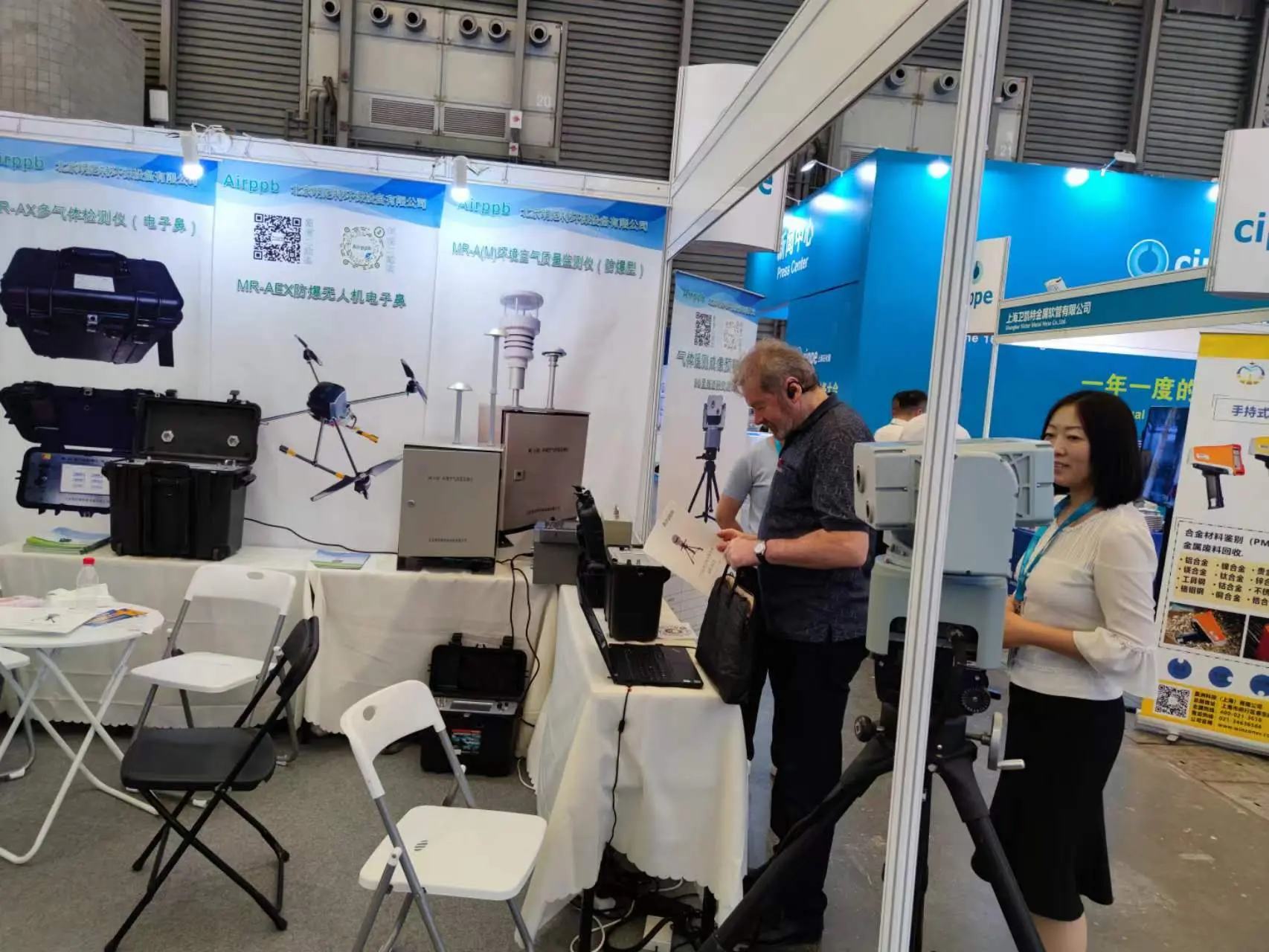
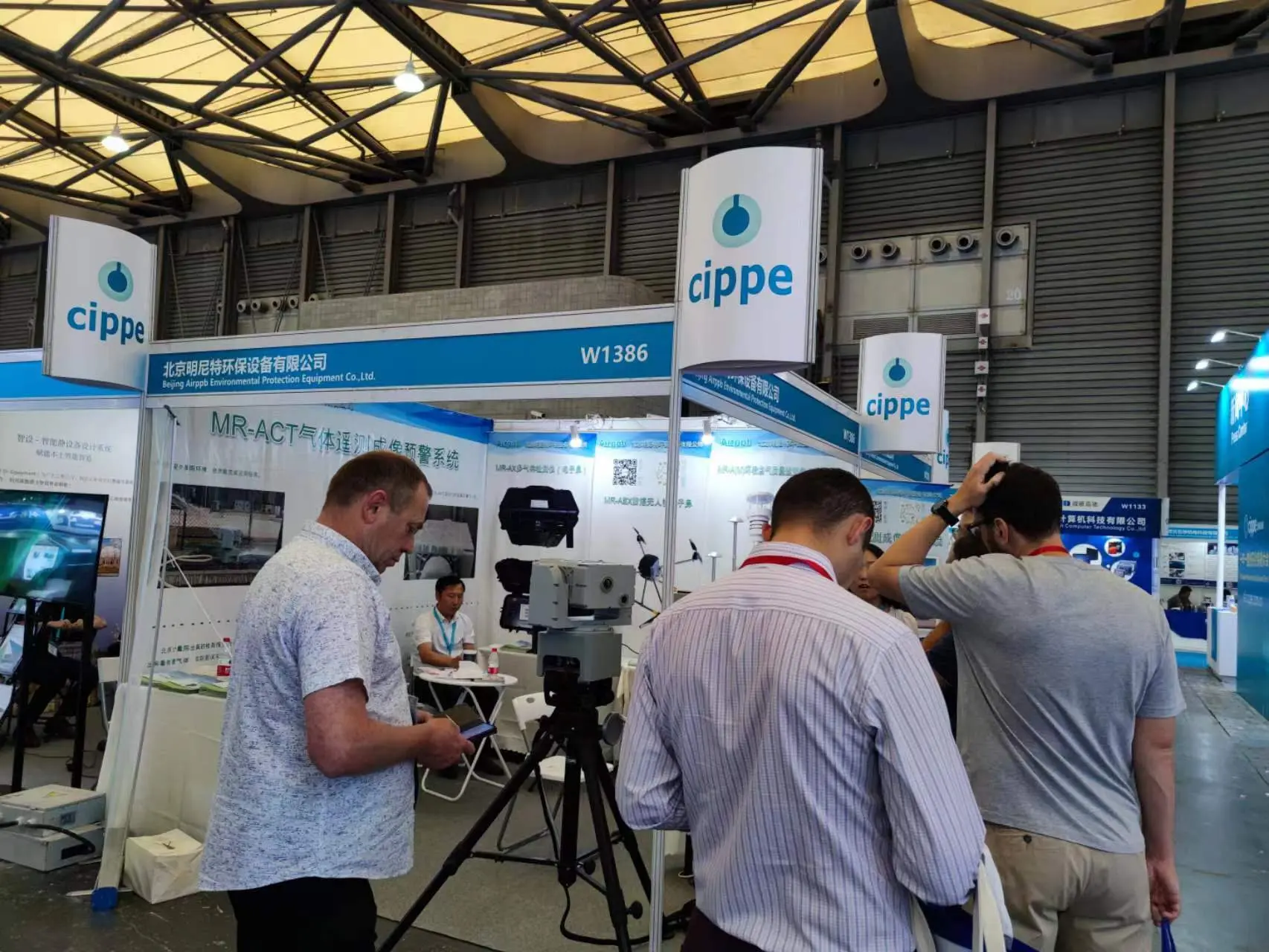
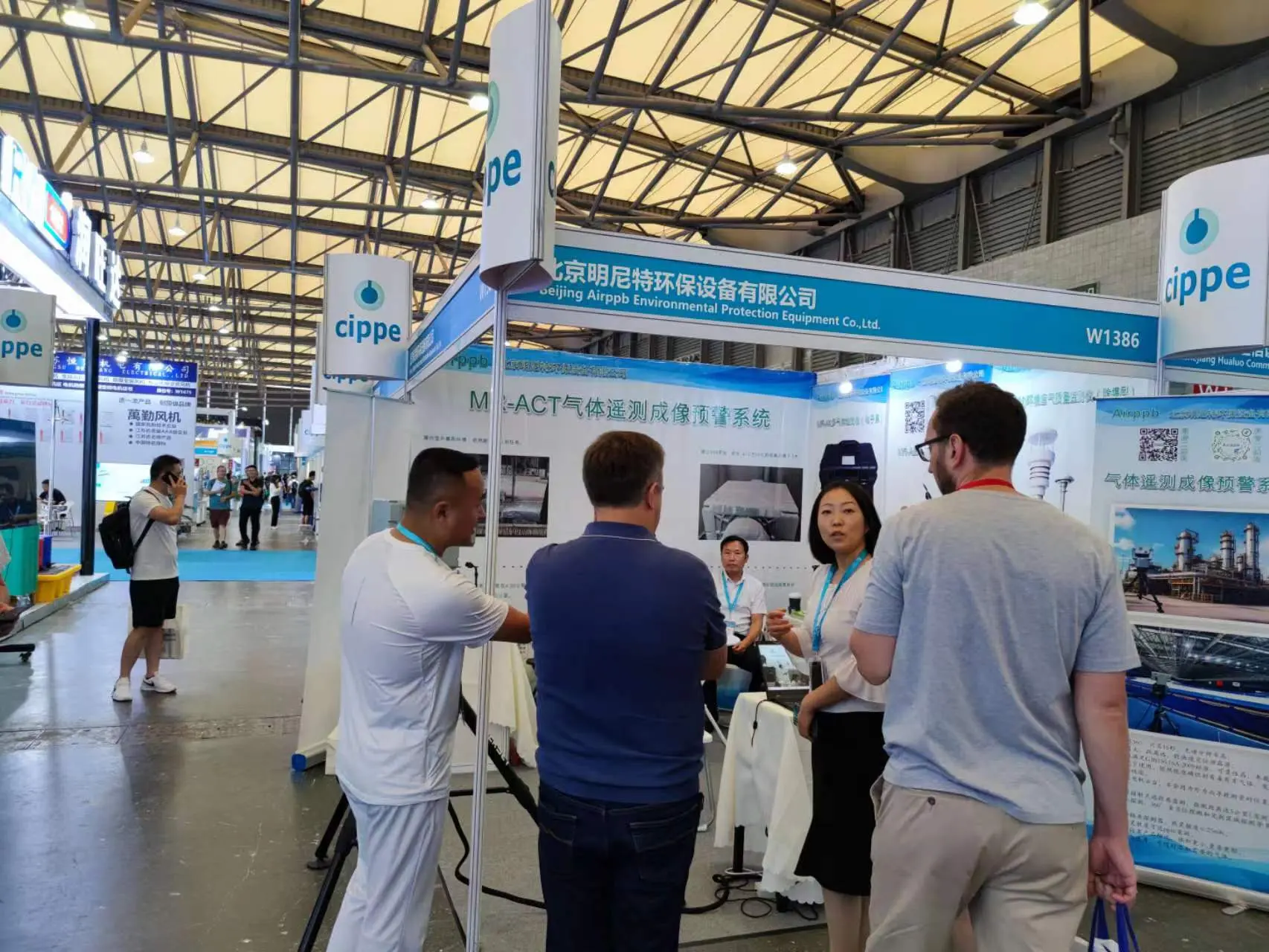

Technical answers addressing procurement, calibration, and environmental operations in equatorial regions.
Explore our complete range of Fourier Transform systems, gas calibrators, and chemical detectors.
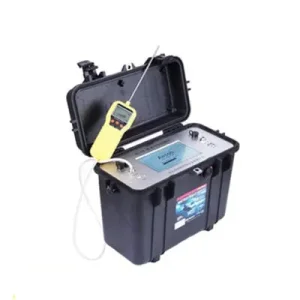
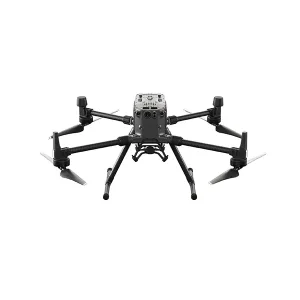
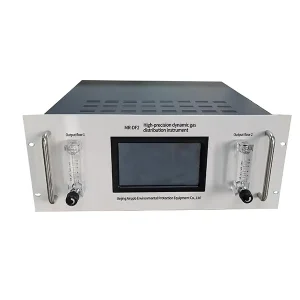
Contact our engineering consultants today for customized analytical system configurations, product specifications, and direct factory pricing quotes.
Send Inquiry Now Airppb