Berlin, as a global beacon of the "Energiewende" (Energy Transition) and a pioneer in smart city initiatives, demands the highest standards in atmospheric monitoring technology. From the industrial clusters in Spandau to the high-tech research hubs in Adlershof, the city's air quality management is governed by stringent EU regulations and the Berlin Air Quality Strategy 2030. As a leading manufacturer, we provide the precision tools necessary to navigate this complex environmental landscape.
Berlin is no longer just a political capital; it is a burgeoning industrial powerhouse. The presence of the Tesla Gigafactory in the metropolitan region and Siemens Energy’s global headquarters underscores the need for localized, high-precision gas detection. Our systems are designed to monitor VOCs (Volatile Organic Compounds), NOx, and SO2 in real-time, ensuring that Berlin's industrial growth does not come at the cost of its air quality.
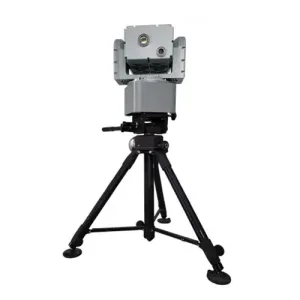
Our group company, established in 2012, has dedicated over a decade to the R&D of Fourier Transform Infrared (FTIR) technology. This expertise allows us to offer remote sensing imaging systems that can identify and quantify dozens of gases simultaneously from kilometers away—a critical capability for both environmental protection and emergency response.
Reliability is the cornerstone of atmospheric monitoring. Our production processes and product quality strictly adhere to international benchmarks:
The industry is moving toward "Atmospheric Intelligence." By integrating AI algorithms with our gas detectors, we can now predict gas dispersion patterns based on Berlin’s micro-climate data. This allows for proactive rather than reactive environmental management. Our OEM/ODM capabilities further allow Berlin-based tech firms to integrate our world-class sensing modules into their own proprietary platforms.
Berlin’s unique geography and urban layout present specific challenges for gas monitoring. Our technology is tailored for these scenarios:
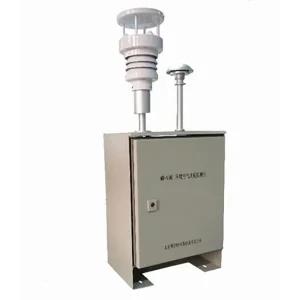
With the expansion of low-emission zones, our MR-A(M) Micro Air Stations are deployed along major arteries like the B1 and B2 to monitor NO2 levels, providing city planners with actionable data to optimize traffic flow and reduce pollution hotspots.
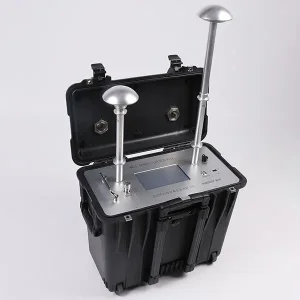
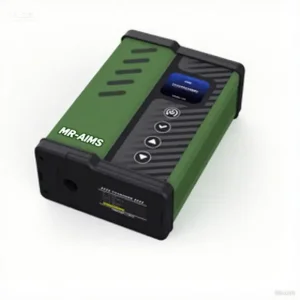
In the event of an industrial accident or a chemical spill, our handheld MR-AIMS Chemical Identifiers provide first responders with instantaneous identification of hazardous substances, protecting both the public and emergency personnel.
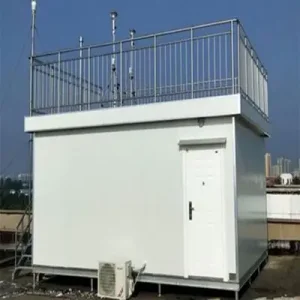
As Berlin increases its green spaces, our volcanic and ambient gas monitoring systems help researchers understand the carbon sequestration efficiency of urban forests and the impact of soil outgassing in rewilded areas.
Choosing the right partner for atmospheric monitoring in Berlin means choosing a company that understands both the technology and the local regulatory environment. Our systems are not just sensors; they are comprehensive data solutions that provide peace of mind for industrial operators, city officials, and emergency services.
With a foundation built in 2012, our group has consistently ranked at the top of the industry for Fourier infrared gas remote sensing. Our commitment to OEM/ODM flexibility means we can tailor our high-precision instruments to the specific needs of Berlin’s diverse commercial landscape, from the pharmaceutical labs in Buch to the logistics hubs in Brandenburg.
Our products comply with all relevant national department certifications, including CPA and CCEP, and are backed by CNAS/CMA test reports. When you invest in our technology, you are investing in a decade of expertise, ISO-certified quality, and a future-proof vision for a cleaner, safer Berlin.
 Airppb