High-performance gas telemetry and ambient air monitors designed to withstand tropical humidity, remote operations, and high dust concentrations characteristic of Congolese mining sites and volcanic zones.
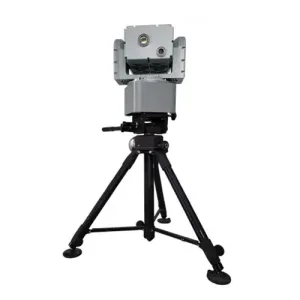
Real-time passive infrared imaging system designed to visually map and detect gas leaks and plumes across open-pit mines and critical facilities in the Katanga Copperbelt.
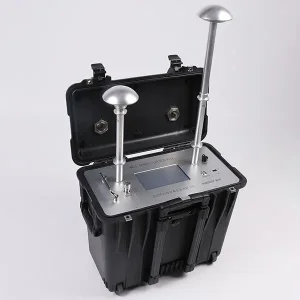
Rugged, portable gas monitor optimized for complex geological sites, offering continuous ppb-level detection of multiple toxic gases under harsh climate variations.
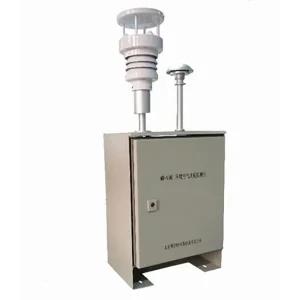
A compact, micro-monitoring station featuring modular gas sensors and automated telemetry, providing municipal and industrial zones with real-time AQI metrics.
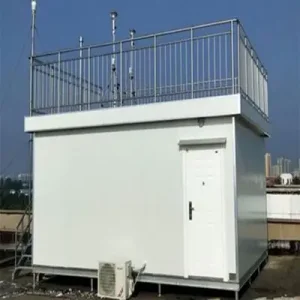
Fixed, fully automated air monitoring station providing continuous laboratory-grade analysis of environmental metrics, designed for mining boundaries and urban centers.
As the global demand for energy transition metals like Cobalt and Copper accelerates, the Democratic Republic of the Congo (DRC) faces stringent pressure from international ESG (Environmental, Social, and Governance) watchdogs. Operating open-cast mines and metallurgical extraction units in regions such as Kolwezi, Lubumbashi, and Likasi demands precise air quality metrics. Runaway emissions of toxic sulfur oxides (SOx), volatile organic compounds (VOCs) from mineral processing reagents, and heavy dust particles (PM10 and PM2.5) pose severe occupational health risks.
Moreover, the geological activity along the Albertine Rift (specifically Mount Nyiragongo and Nyamuragira) necessitates continuous volcanic gas telemetry to protect regional populations. Traditional gas sensors fail due to high humidity levels, intense UV exposure, and heavy particulate deposition. Beijing Airpbb's atmospheric monitoring solutions leverage robust electrochemical, photoionization detection (PID), and advanced optical spectroscopy (such as FTIR remote sensing) to ensure uninterrupted, stable metrics. Equipped with integrated solar-power arrays and cellular/satellite telemetry, these units bridge the infrastructure gap across remote areas in Central Africa.
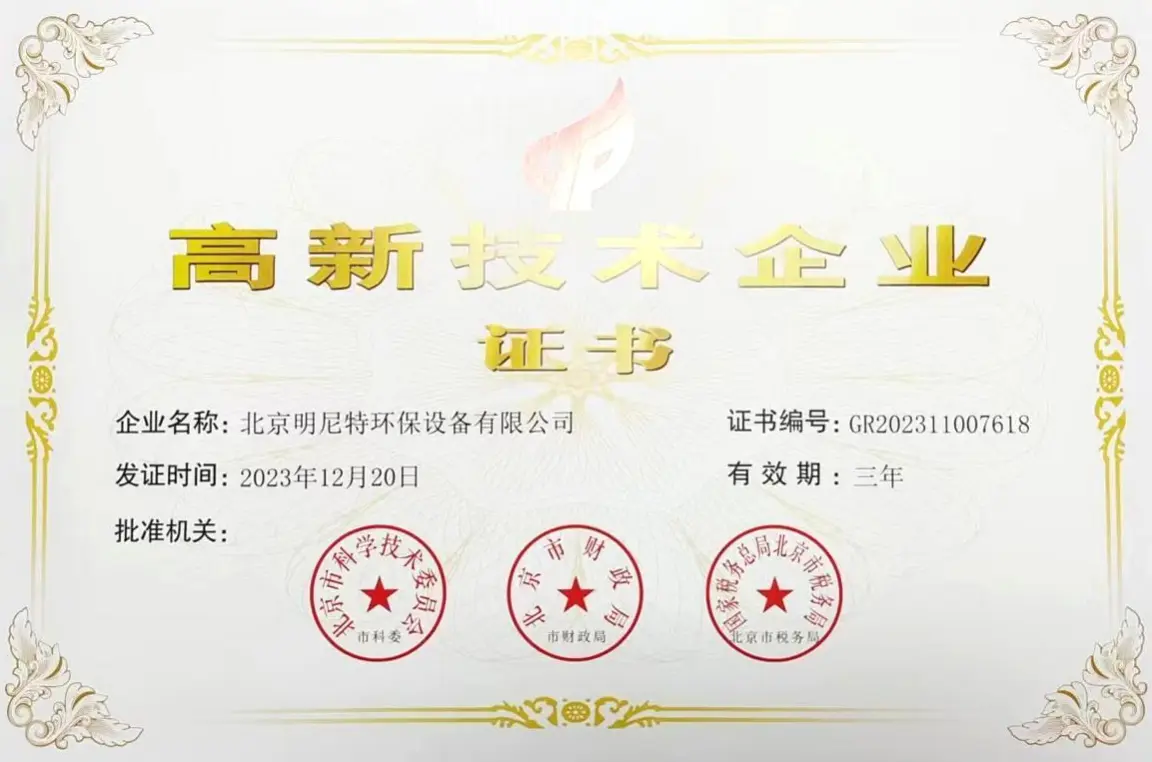
Minnit(Airppb) is a national high-tech enterprise focusing on the research and development and industrialized innovative application of precision gas detection instruments. The company uses technological innovation to realize on-site, automated and intelligent analysis, detection and monitoring, and is committed to becoming the world's leading manufacturer of scientific instruments.
Having mastered complete gas analysis and detection technologies such as electrochemistry, PID, and spectroscopy, we have developed laboratory analysis, on-site analysis (portable, online, mobile), automated analysis, and a series of technologically leading product portfolios that provide global users with comprehensive and professional solutions in the fields of advanced industry, ecological environment emergency safety, and volcanic gas monitoring.

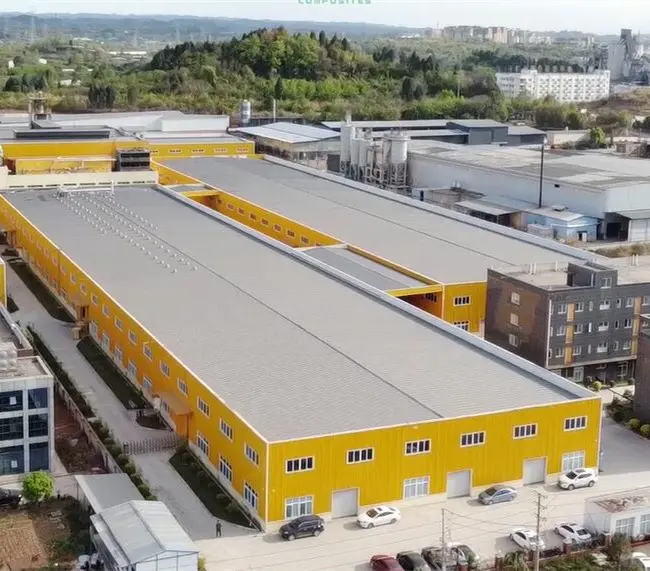
Established in 2012, our group company is committed to the development and production of:
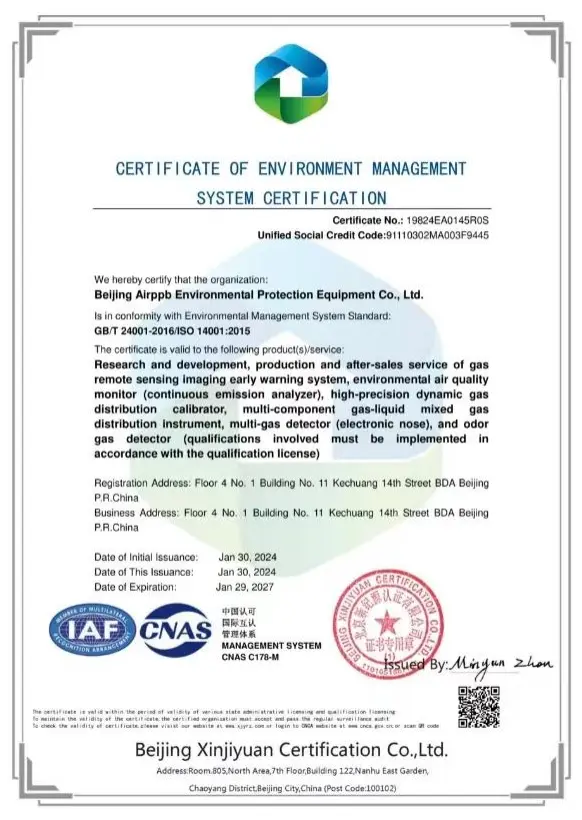
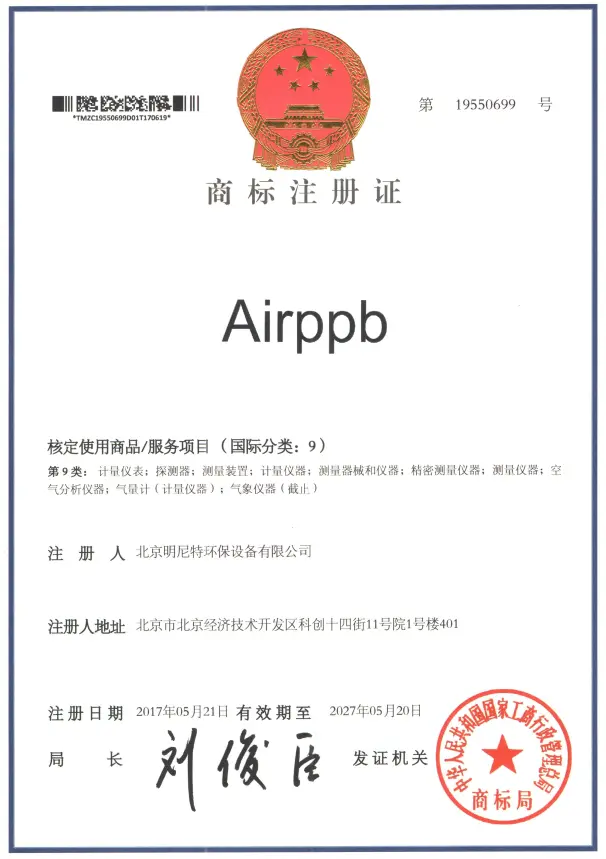
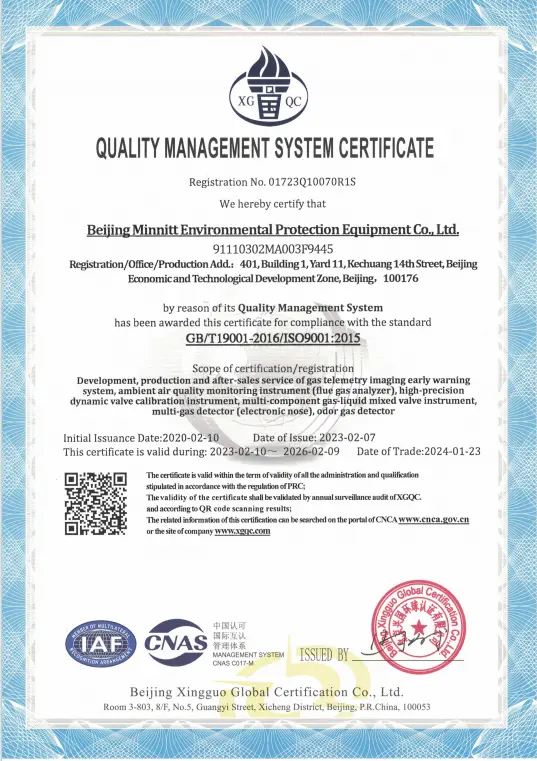
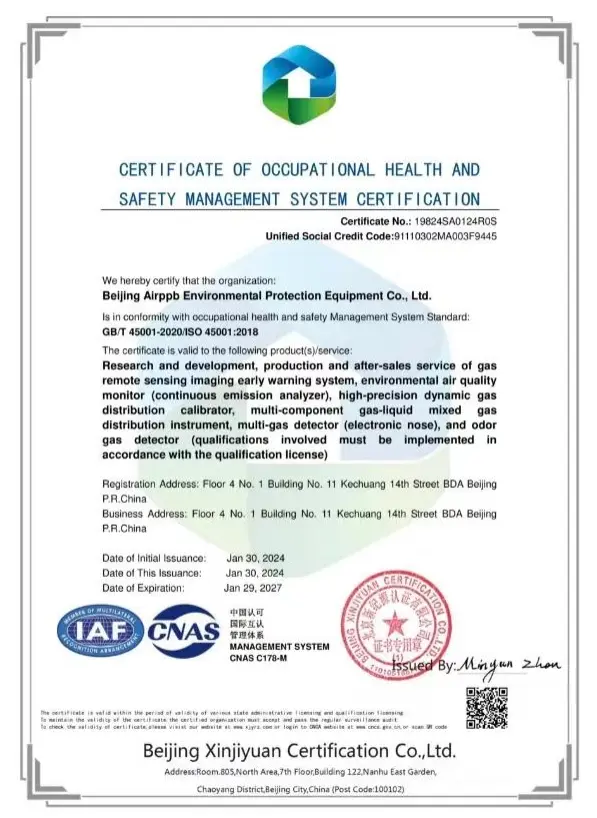
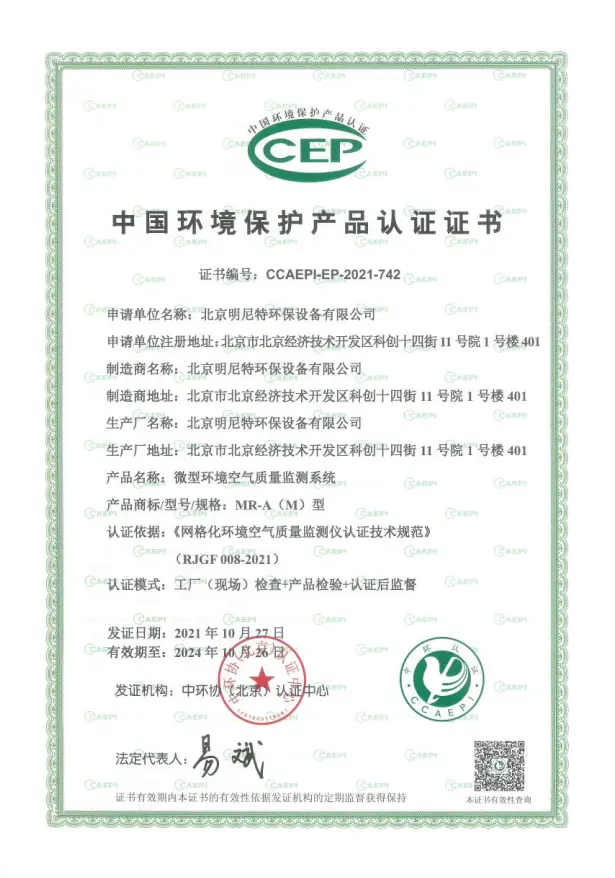
Our product quality strictly follows the ISO9001 Quality Management System, ISO14001 Environment Management System, and ISO45001 Occupational Health and Safety Management System. Furthermore, our designs comply with product certifications from critical national and international departments, offering CPA, CCEP, and CNAS/CMA testing reports.
Engineered to pass the most stringent environmental audits and workplace safety checks, ensuring your telemetry and air assessment metrics are globally defensible.

Ensuring operational continuity and community safety across copper-cobalt concessions, active volcanic zones, and metropolitan districts.
Monitoring off-gases from leaching tanks, solvent extraction lines, and smelting units. Our MR-A and MR-A(S) monitors track continuous concentrations of toxic gases near processing plants, securing a safe micro-environment for operators.
Deploying infrared path monitoring and ruggedized sensors in the Kivu region. These instruments capture localized fluxes of carbon dioxide and sulfur dioxide, transmitting data dynamically to remote observation networks.
Providing micro air stations for high-density logistics nodes in Kinshasa and port facilities in Matadi. Our MR-A(M) stations measure baseline carbon monoxide, nitrogen oxides, and PM levels from diesel haulage exhaust.
Customized instrument engineering to match specific field requirements across Africa, including solar integration, dust filtration, and satellite telemetry modules.

Flexible branding and customized casing for large-scale mining operations and regional environmental consultancies.

Our engineering department represents over 60% of our workforce, ensuring state-of-the-art sensor integration.

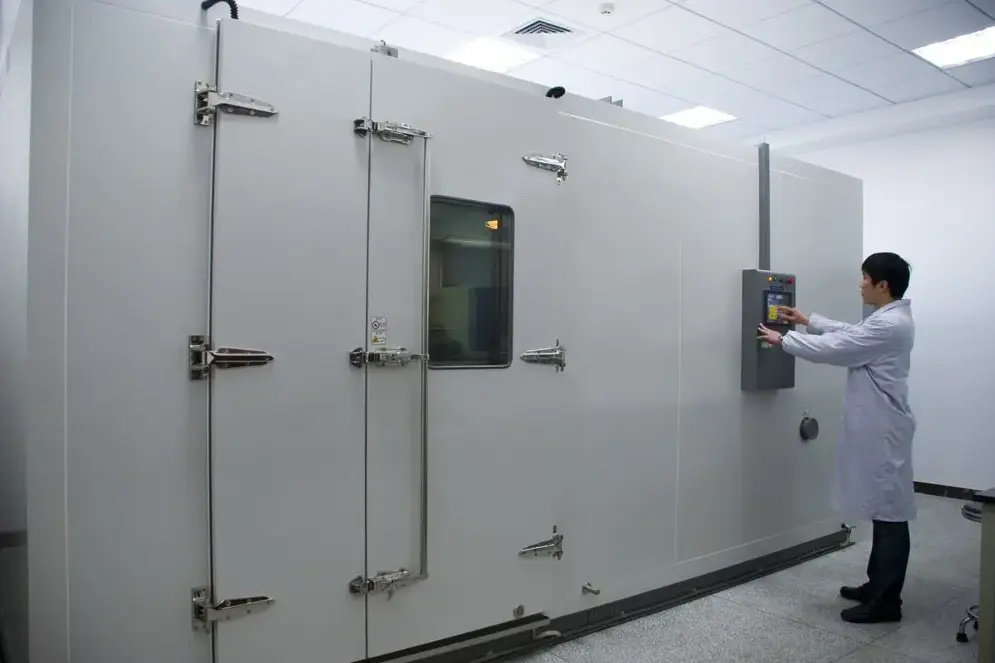
Every device undergoes rigorous multi-point temperature, humidity, and gas concentration tests prior to shipping.

Specialized technical personnel assist with deployment architecture, data integration, and remote troubleshooting.
Sourcing precision equipment directly from our state-of-the-art factory in China provides a crucial competitive advantage for industrial operations in the Democratic Republic of the Congo. By bypassing intermediaries, procurement teams secure the lowest possible cost-per-unit while maintaining direct communication with the engineers who designed the hardware.
Uncompromised Availability of Replacement Sensors and Consumables: Electrochemical, PID, and optical sensors require routine calibration and replacement to avoid data drift. Working directly with the manufacturer ensures a constant supply of pre-calibrated sensor modules and replacement parts, reducing downtime at remote operations.
Engineered for Tropical Climates: Our factory optimizes all shipments headed for Central Africa, incorporating tropicalized protective circuit boards, hydrophobic membranes, and heat-resistant cases to withstand the intense humidity and temperature fluctuations of the Congo Basin.
A selection of laboratory-grade instruments, FTIR telemeters, and high-precision calibration equipment deployed across mining, emergency safety, and research sectors.
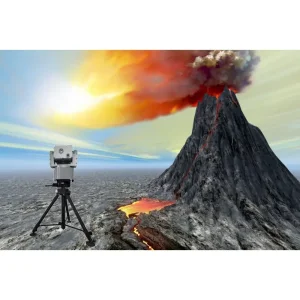
Designed for remote volcanic rift deployment, capturing real-time sulfur oxides, hydrogen halides, and carbon dioxide plume ratios.
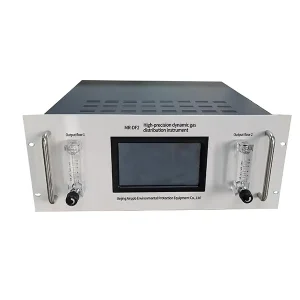
High-precision laboratory gas dilution and calibration instrument designed for mine safety gas detector verification and maintenance.
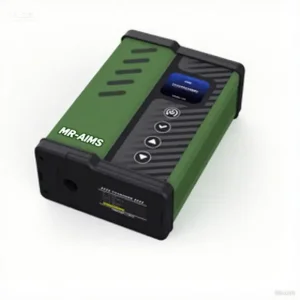
Utilizes Ion Mobility Spectrometry (IMS) to identify complex chemical compounds, volatile organics, and trace gasses at the ppb level.
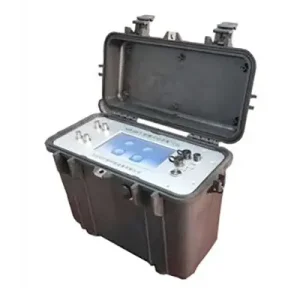
Field-deployable, high-precision gas mixer, allowing calibration technicians to execute multi-point gas calibration directly on mine sites.
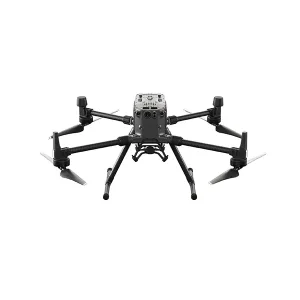
Advanced FTIR system designed for long-range, path-integrated gas detection, providing rapid spatial warning curves for complex mine areas.
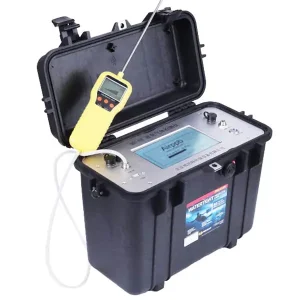
Handheld emergency multi-gas detector capable of simultaneously monitoring up to six separate gases for first-response mine rescue teams.
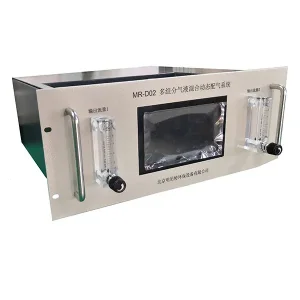
Precision laboratory instrument for dynamic calibration and verification of dissolved gas analyzers in water processing plants.
Portable electronic nose designed to rapidly identify trace chemical warfare agents, industrial odors, and ambient atmospheric shifts.
Showcasing our scientific instruments, customer collaborations, and localized calibration training programs.
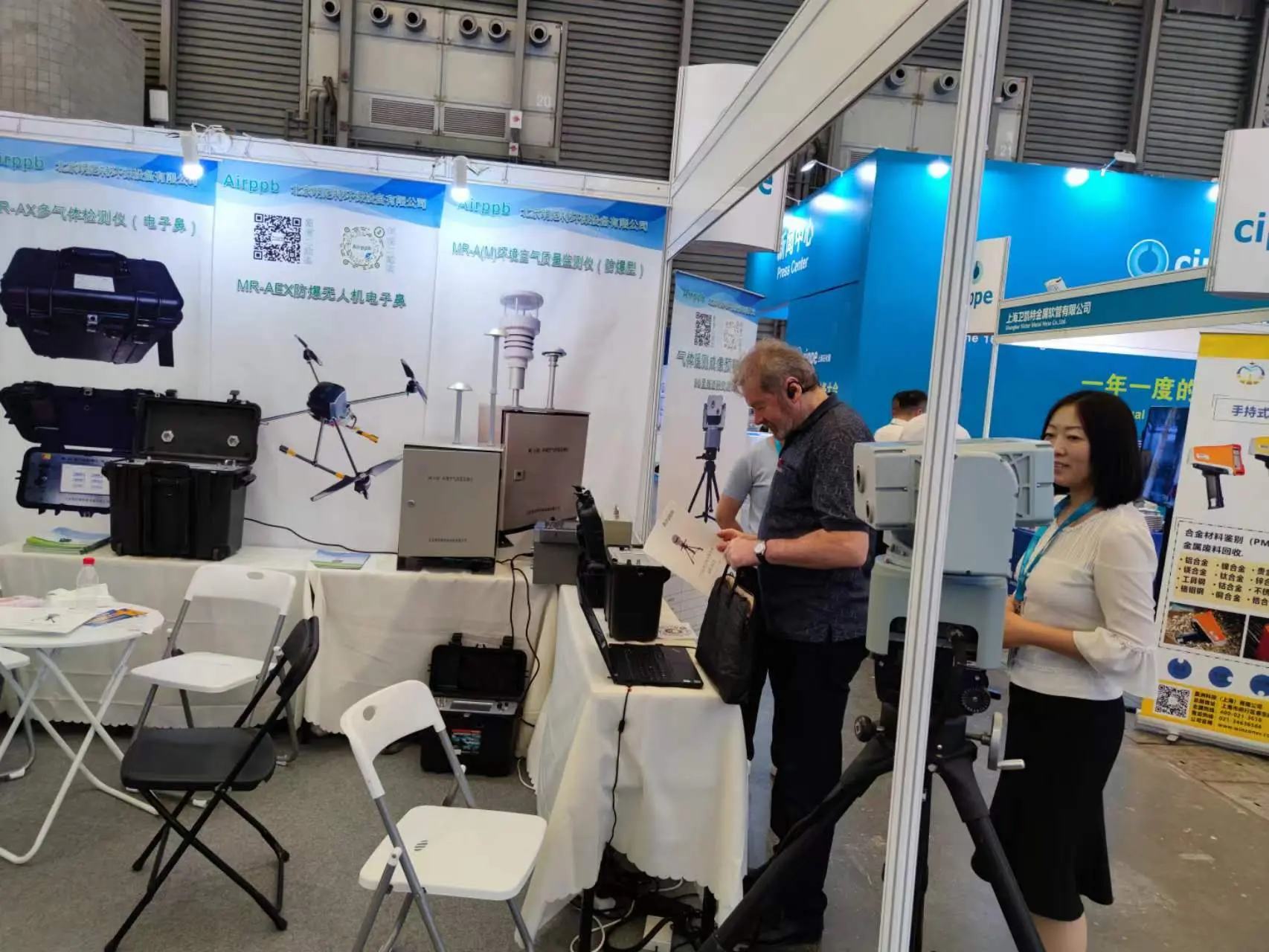
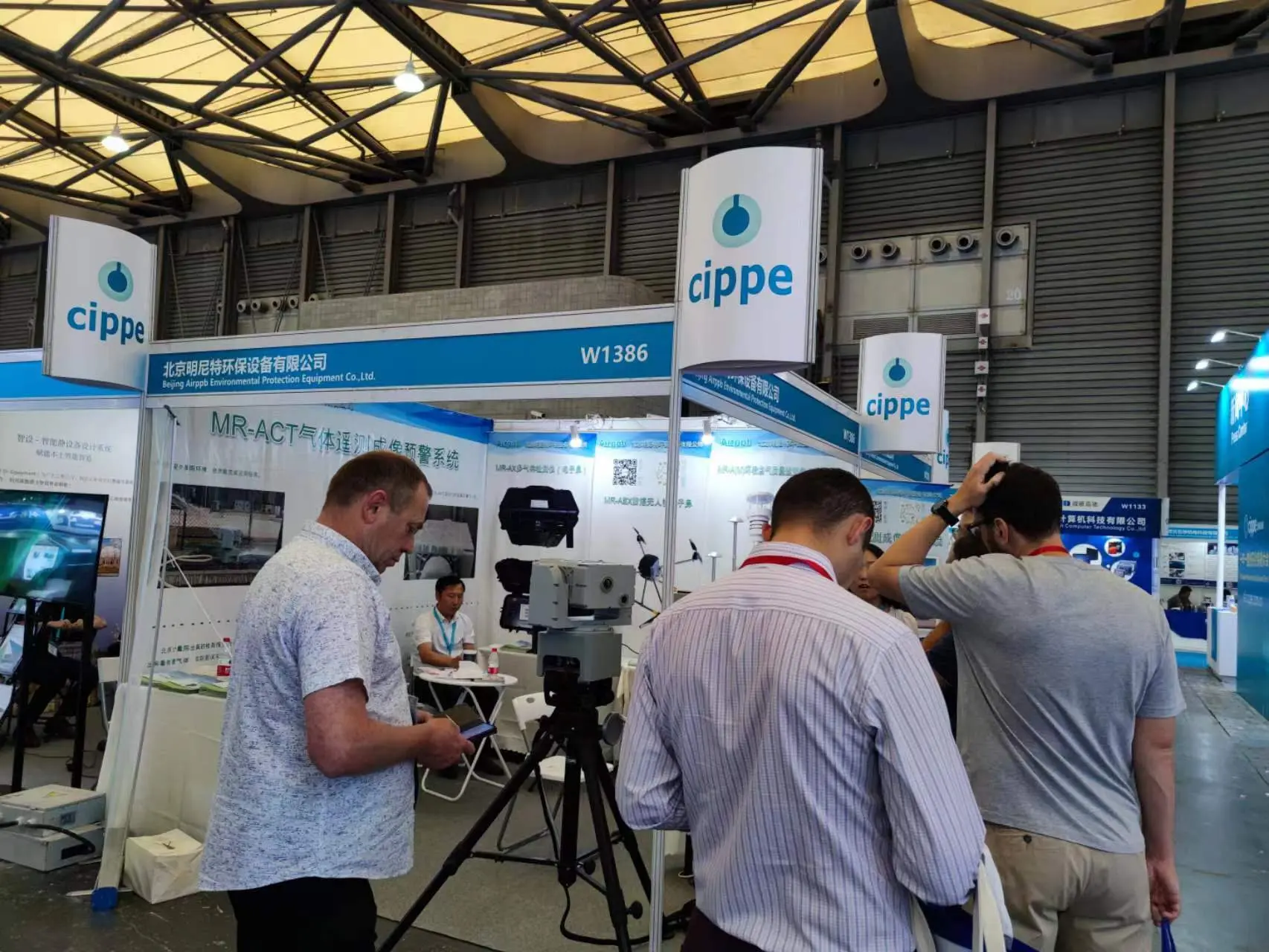
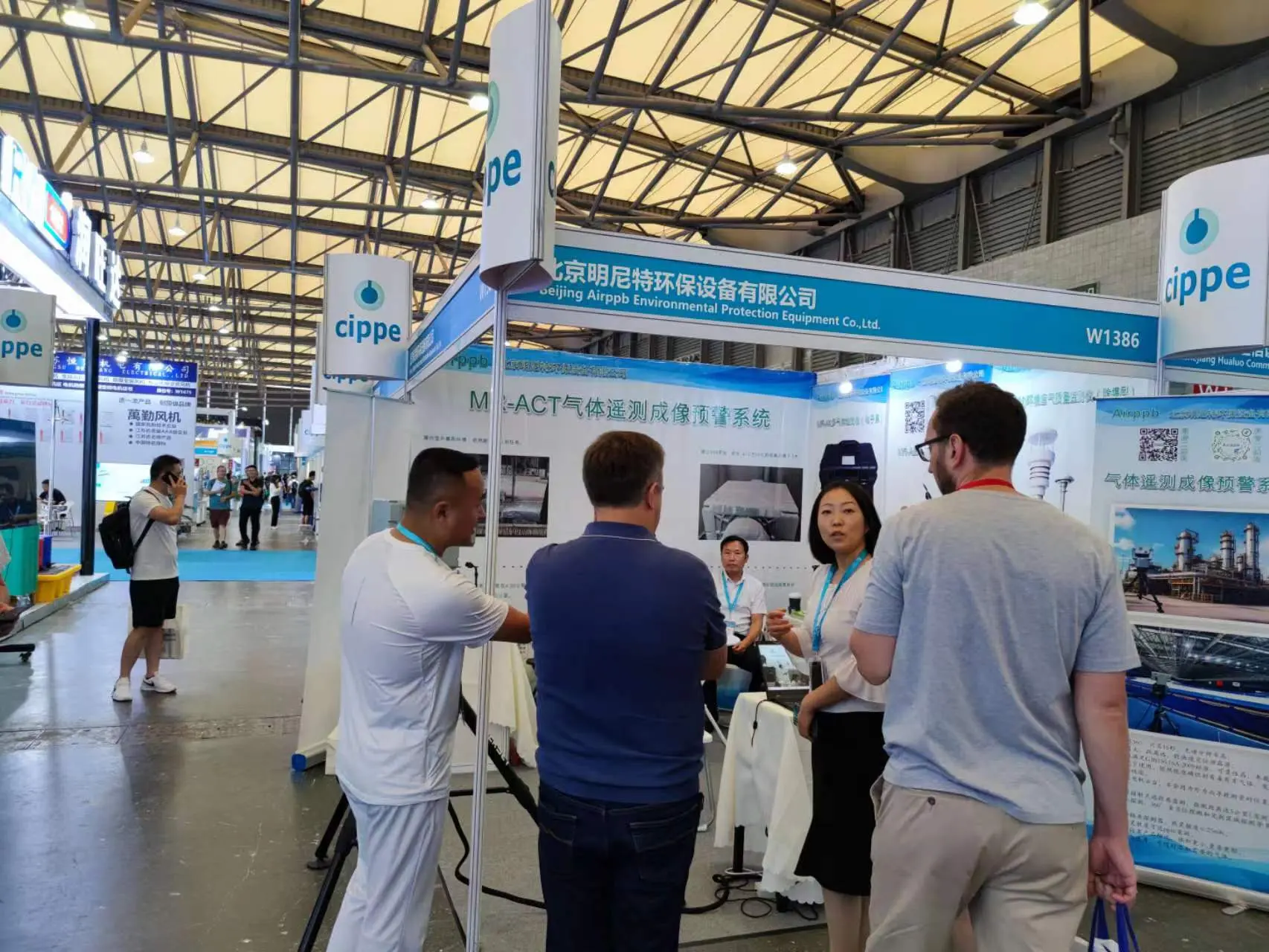
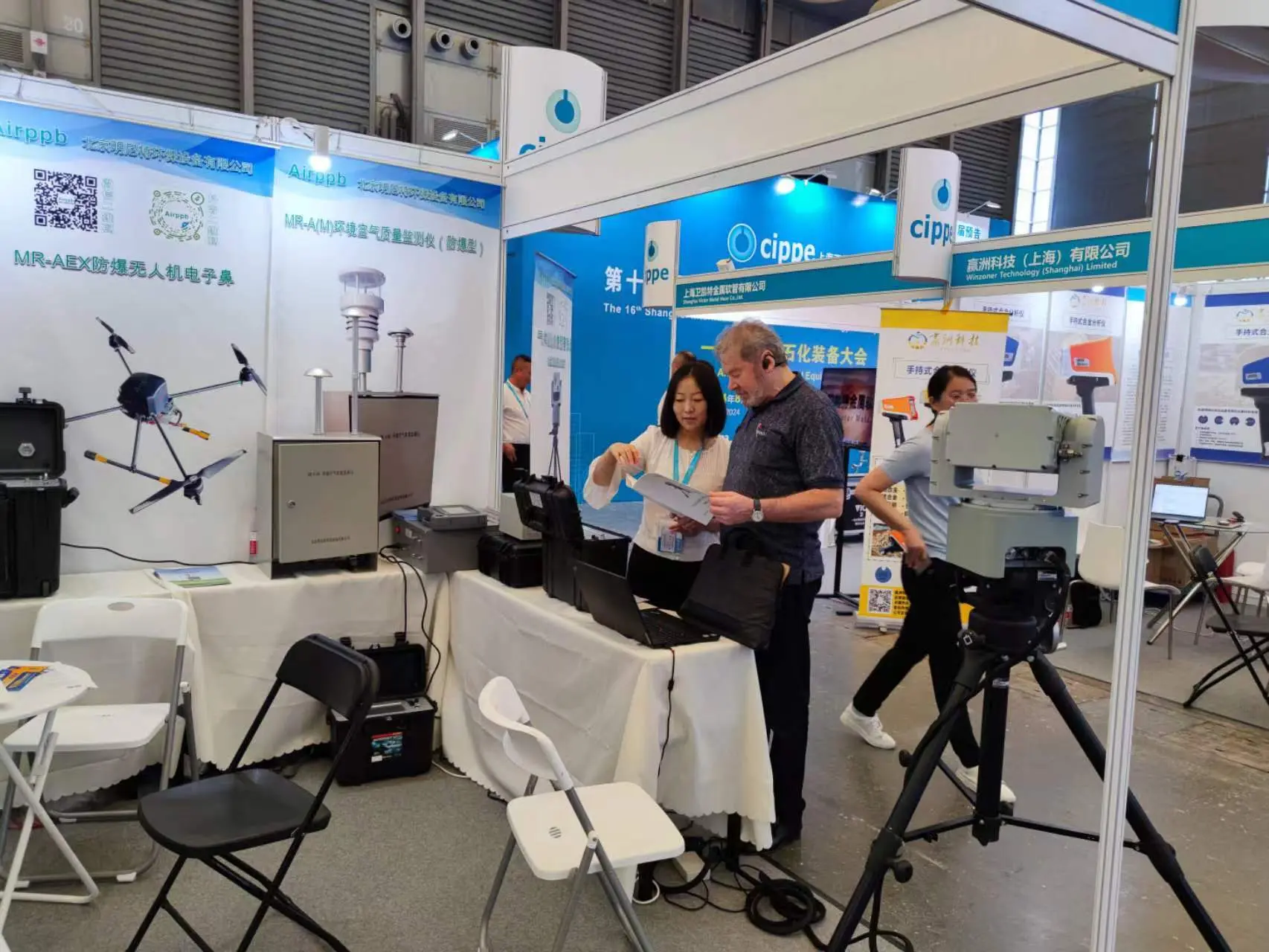

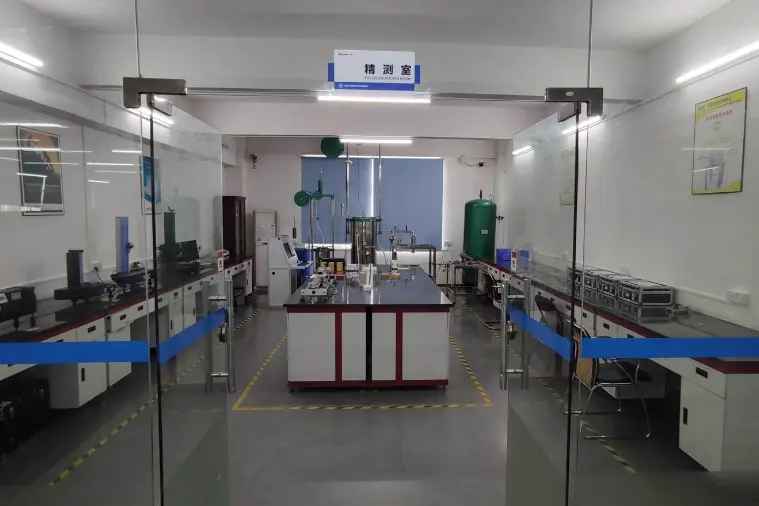
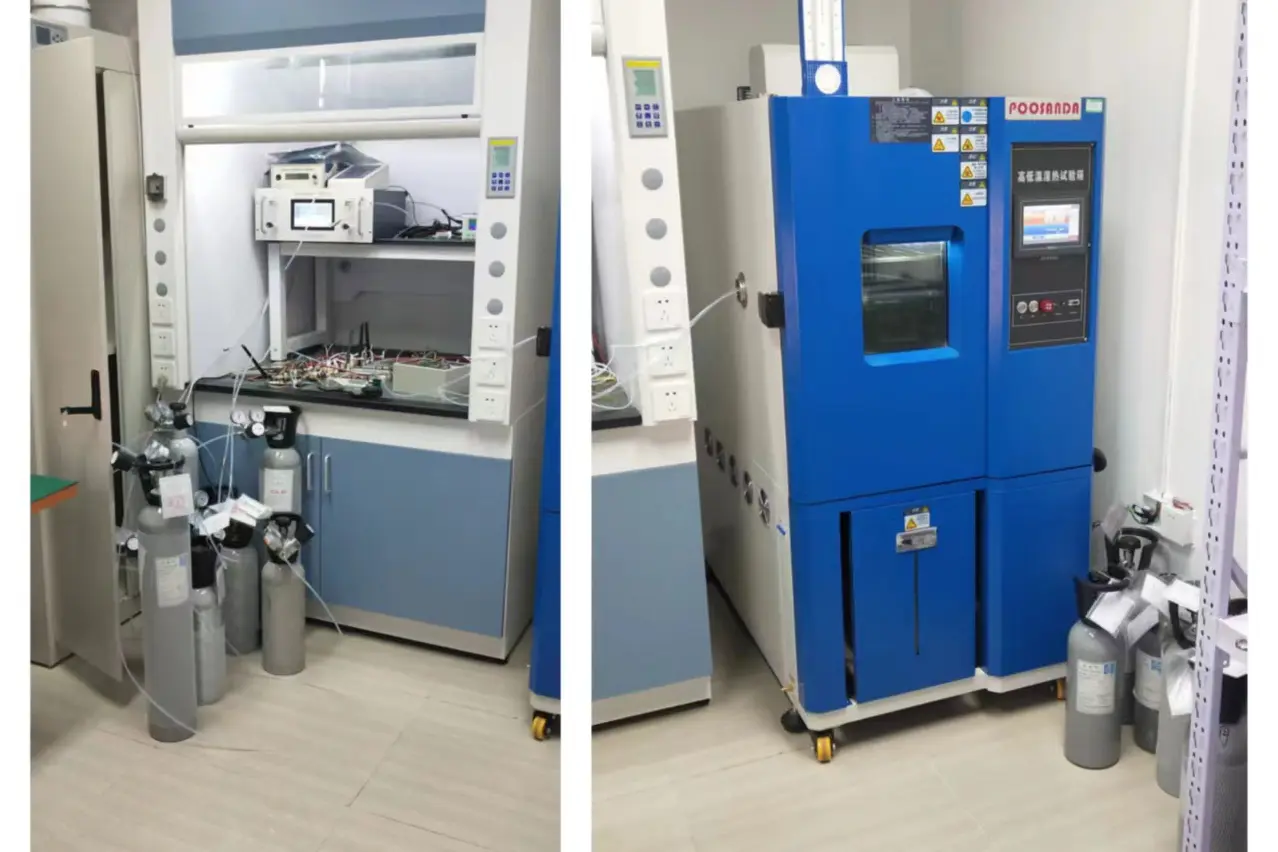
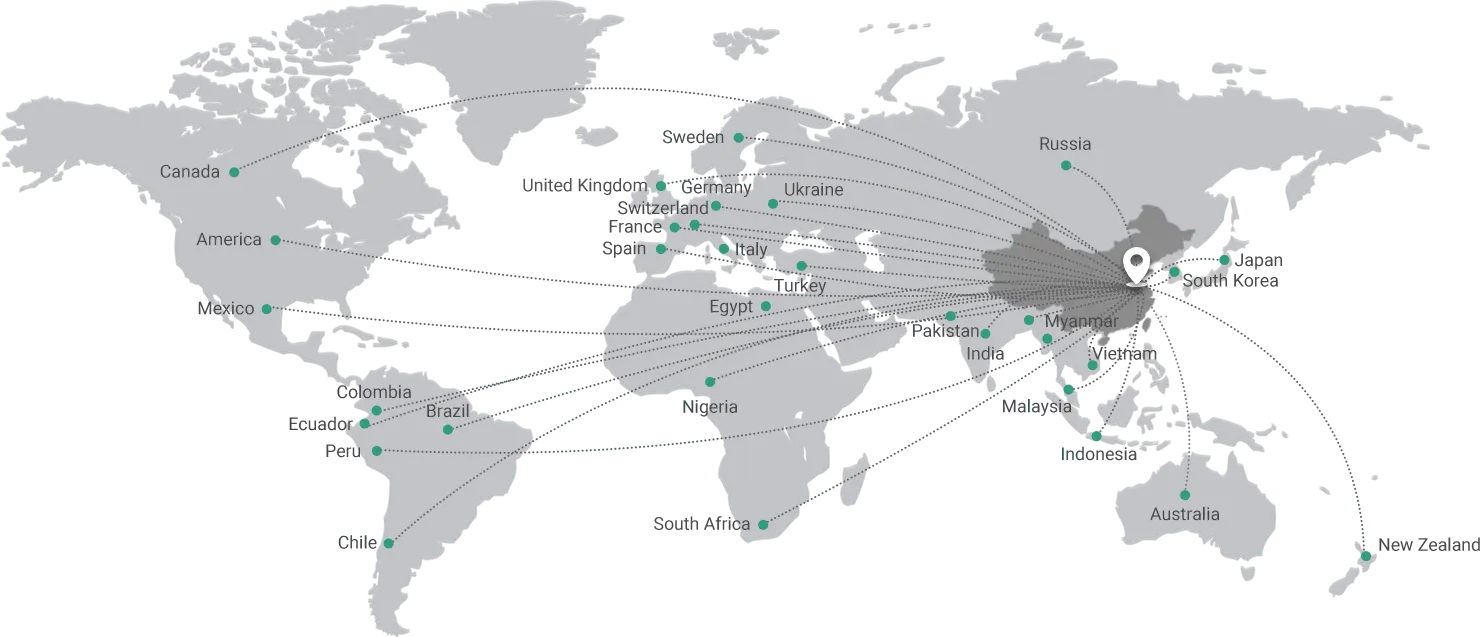
Our specialized scientific instruments are exported to over 40 countries, providing reliable environmental safety to mines and municipal zones worldwide.
Comprehensive technical and procurement guidance for mining administrators, environmental officers, and occupational health specialists in Central Africa.
 Airppb