Optimized telemetry and dynamic detection infrastructure engineered for Brussels urban safety and industrial governance.
Analyzing Brussels' regulatory framework, the port infrastructure, and emergency protocols under EU Seveso III directives.
As the administrative heart of the European Union, Brussels demands strict environmental governance and public safety mechanisms. The intersection of major transport corridors, commercial logistics, and chemical processing zones necessitates advanced atmospheric monitoring.
The Brussels-Capital Region acts as a key transit zone for the European chemical network. With dense urban population clusters alongside active industrial hubs like the Port of Brussels, municipal governments and private enterprises must navigate the complex demands of the Seveso III Directive (Directive 2012/18/EU). This directive dictates stringent prevention, control, and mitigation protocols for major-accident hazards involving dangerous substances.
Under these regulatory frameworks, the deployment of rapid-response gas telemetry systems, portable IMS identifiers, and ambient micro-monitoring networks is no longer optional—it is a critical compliance standard. Regulatory bodies assess technological solutions based on measurement reliability, rapid deployment capability, and integration into existing public safety management platforms.
Decoupling advanced detection methodologies: FTIR, Ion Mobility Spectrometry, and Dynamic Gas Calibration.
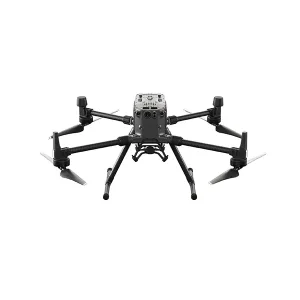
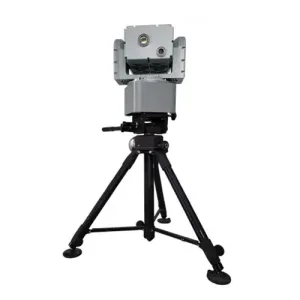
Fourier Transform Infrared (FTIR) telemetry represents the vanguard of ambient remote sensing. Utilizing broad-spectrum infrared signature matching, instruments like the MR-FAT system identify and quantify chemical clouds at distances exceeding several kilometers, ensuring protection zones around industrial assets.
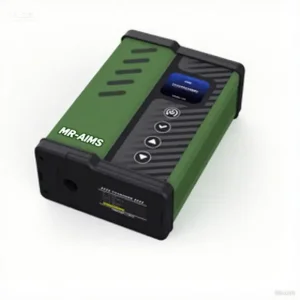
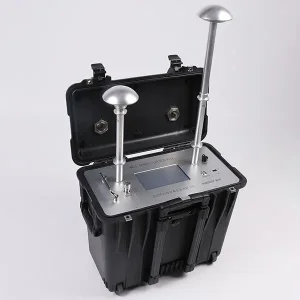
Ion Mobility Spectrometry (IMS) offers unmatched speeds for tracking toxic industrial compounds (TICs). By evaluating the drift velocity of ionized gas molecules under an electric field, IMS devices detect trace concentrations within seconds, critical for rapid first-responder assessment.
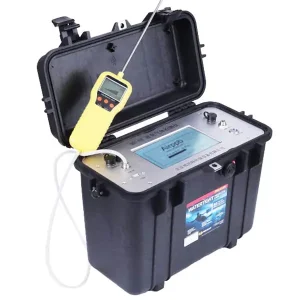
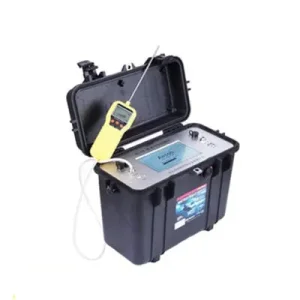
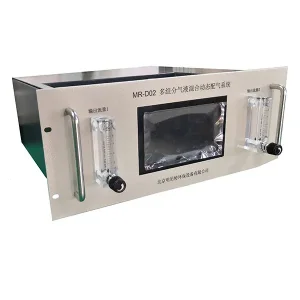
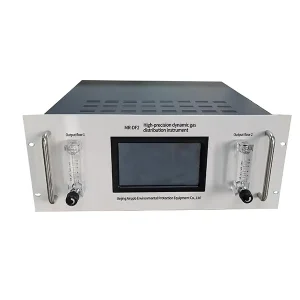
High-precision calibration is the anchor of trust in gas metrology. Dynamic gas distribution instruments utilize multi-channel mass flow controllers to dilute high-concentration target gases with nitrogen or zero-air, establishing high-accuracy reference baselines for trace sensors.
A national high-tech enterprise focusing on the research, development, and industrialized innovative application of precision gas detection instruments.
Minnit (Airppb) utilizes technological innovation to realize on-site, automated, and intelligent analysis, detection, and monitoring. We are committed to becoming a leading manufacturer of scientific instruments. Our technical repository spans key gas analysis methodologies, including electrochemistry, PID, and spectroscopy.
By offering a balanced matrix of laboratory analysis, on-site analysis (portable, online, mobile), and automated analysis products, we provide global users with comprehensive and professional solutions in the fields of advanced manufacturing, environmental safety, and hazard control.

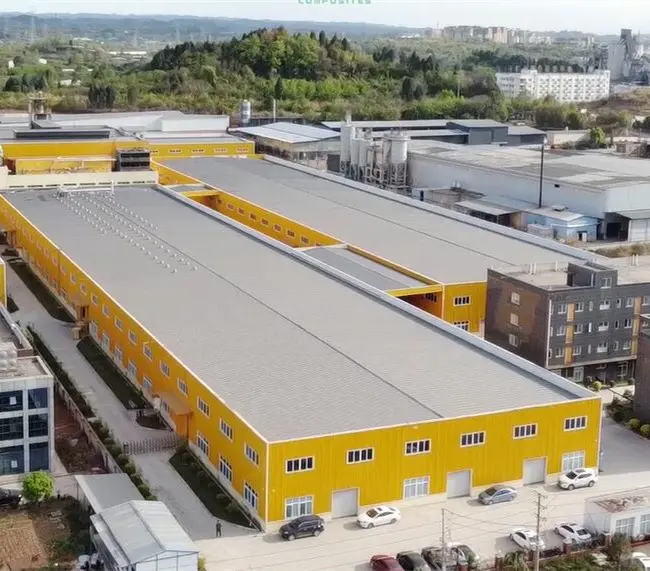
Established in 2012, our group company designs and manufactures Fourier transform infrared gas remote sensing imaging early warning systems, ambient air quality monitors, high-precision dynamic gas distribution meters, multi-gas emergency detectors, and custom OEM/ODM modules. The company holds a wide array of intellectual property rights, validating our ongoing engineering advancements.
Product quality strictly conforms to international quality management guidelines:
Why Beijing Airpbb represents the synthesis of scale, technology, and rapid deployment for global buyers.
Leveraging high-density advanced industrial clusters in China, we source top-tier optoelectronic components, high-precision machining, and custom sensors at rapid speed. This enables us to reduce development cycles and respond to system scaling needs without compromising quality.
Our research and development division constitutes 60% of our entire organizational personnel. By prioritizing active engineering over legacy system iterations, we integrate emerging sensory components like long-wave infrared sensors and ppb-level PID chips directly into production lines.
Our instruments are calibrated against international standards. This bridge between high manufacturing capacity and rigorous certification criteria allows European, Asian, and Middle Eastern buyers to acquire instruments with the required verification documentation.
Our commitment to E-E-A-T principles is backed by verified certifications from recognized international bodies.
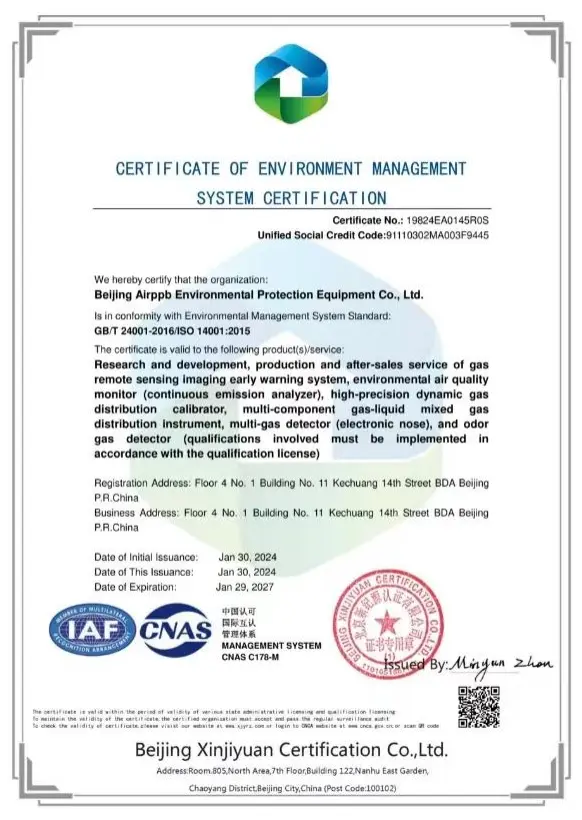
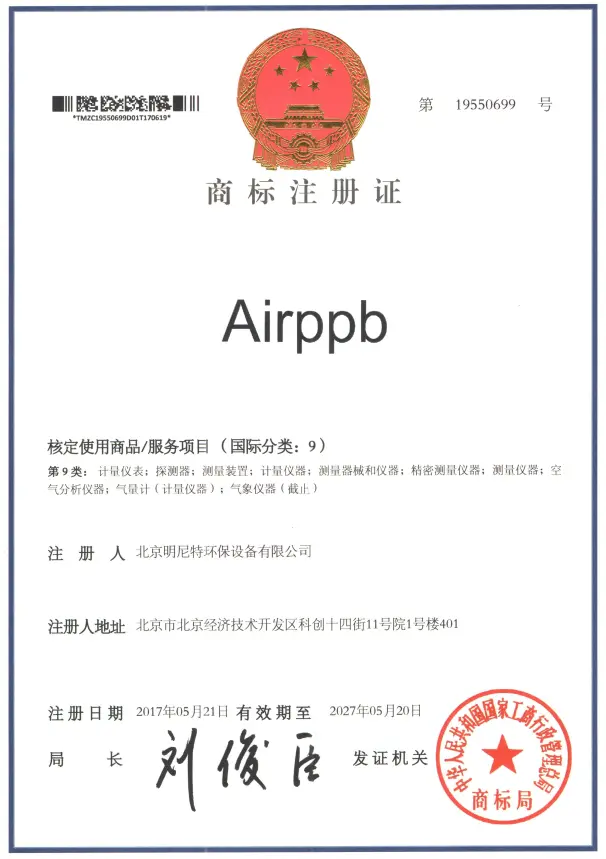
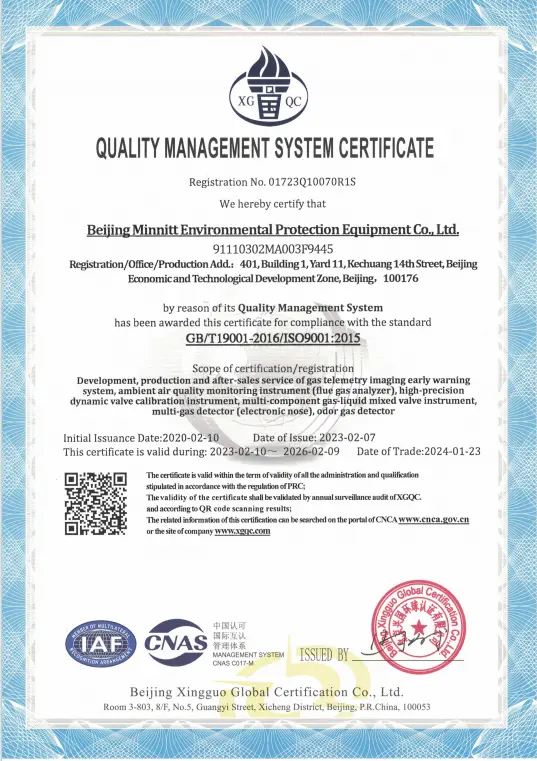
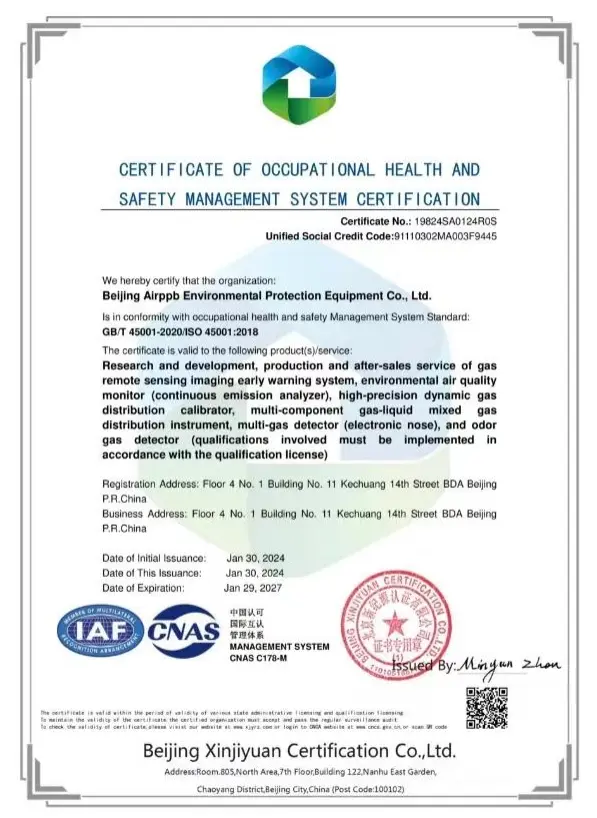
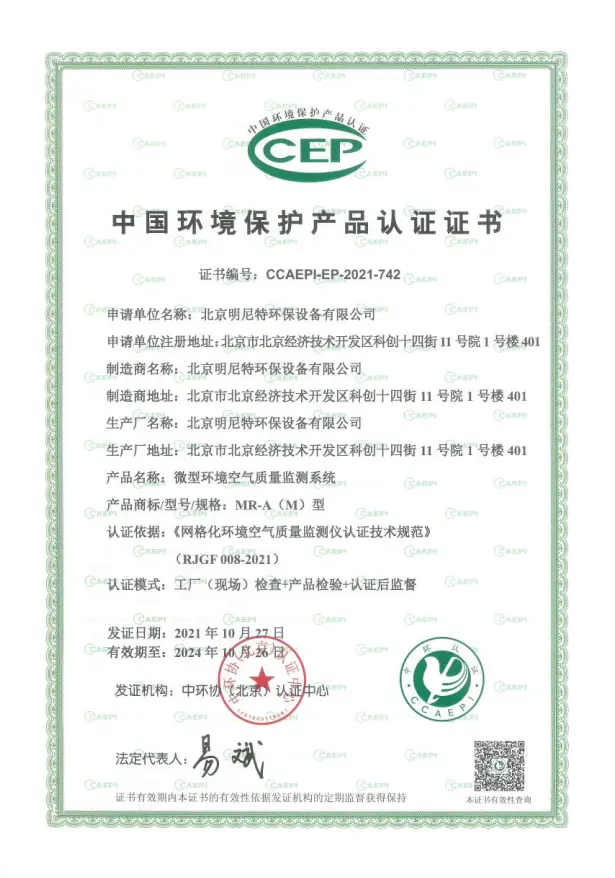

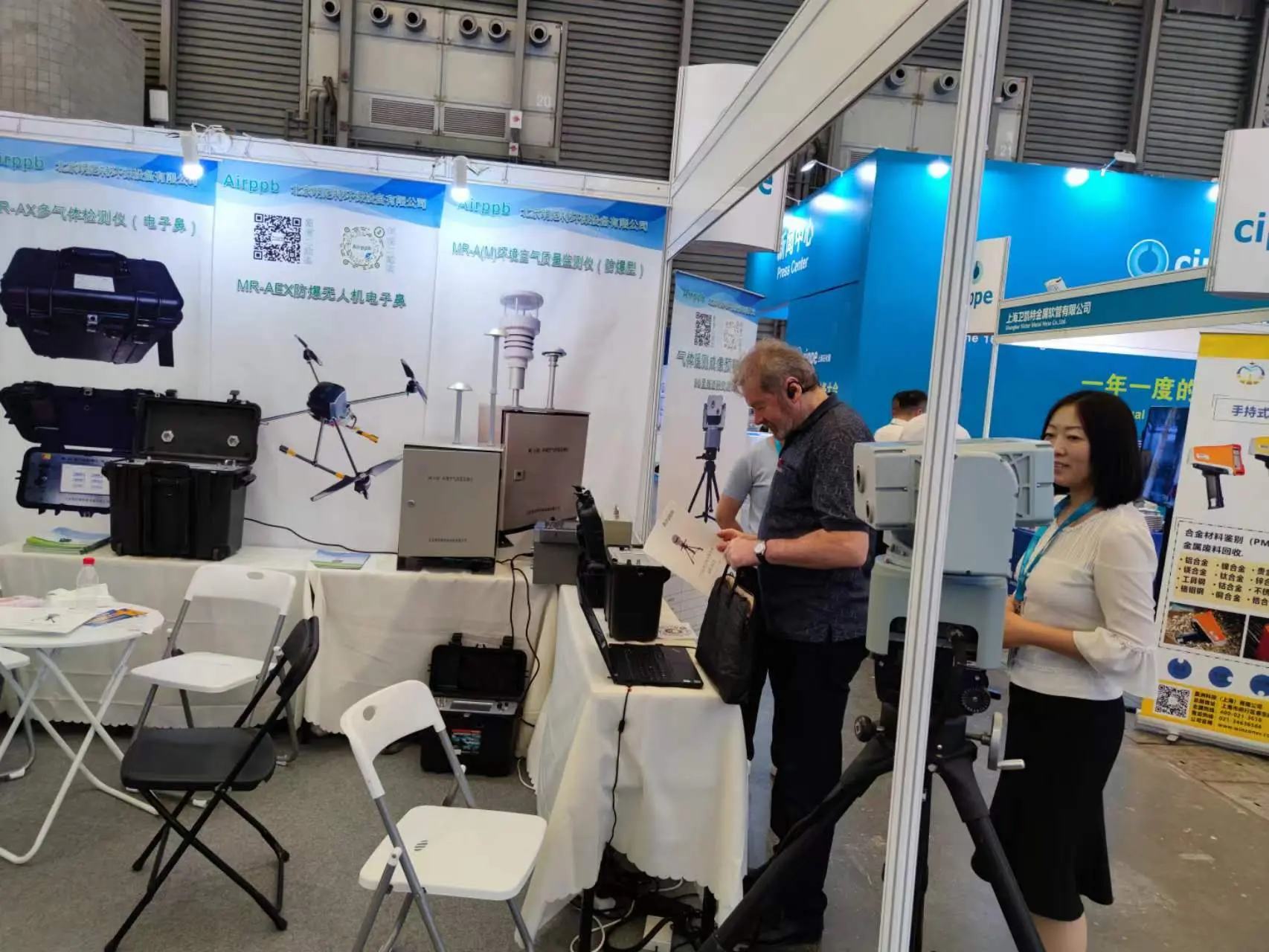
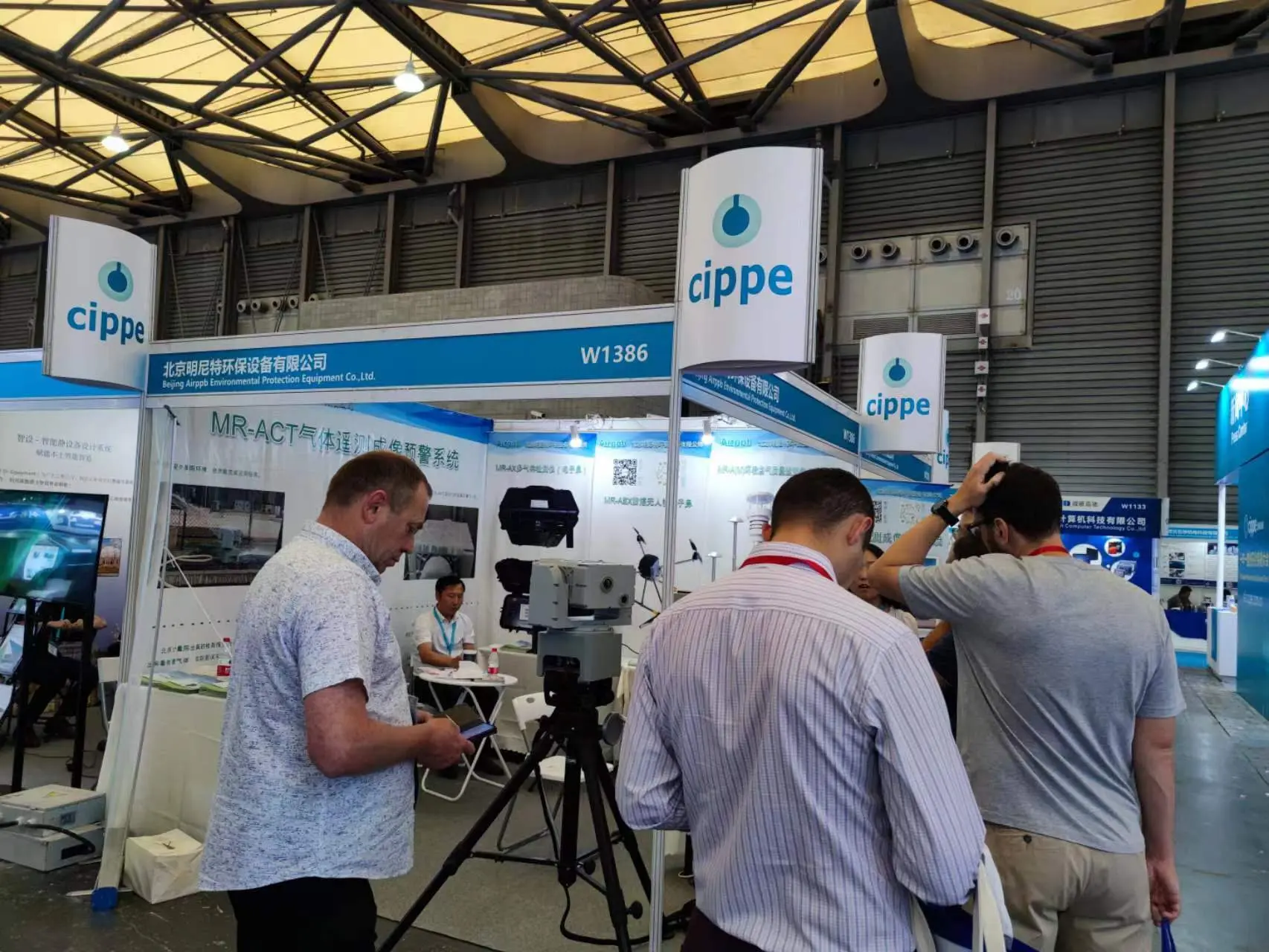
Continuous participation in international exhibitions ensures our systems align with global safety requirements.
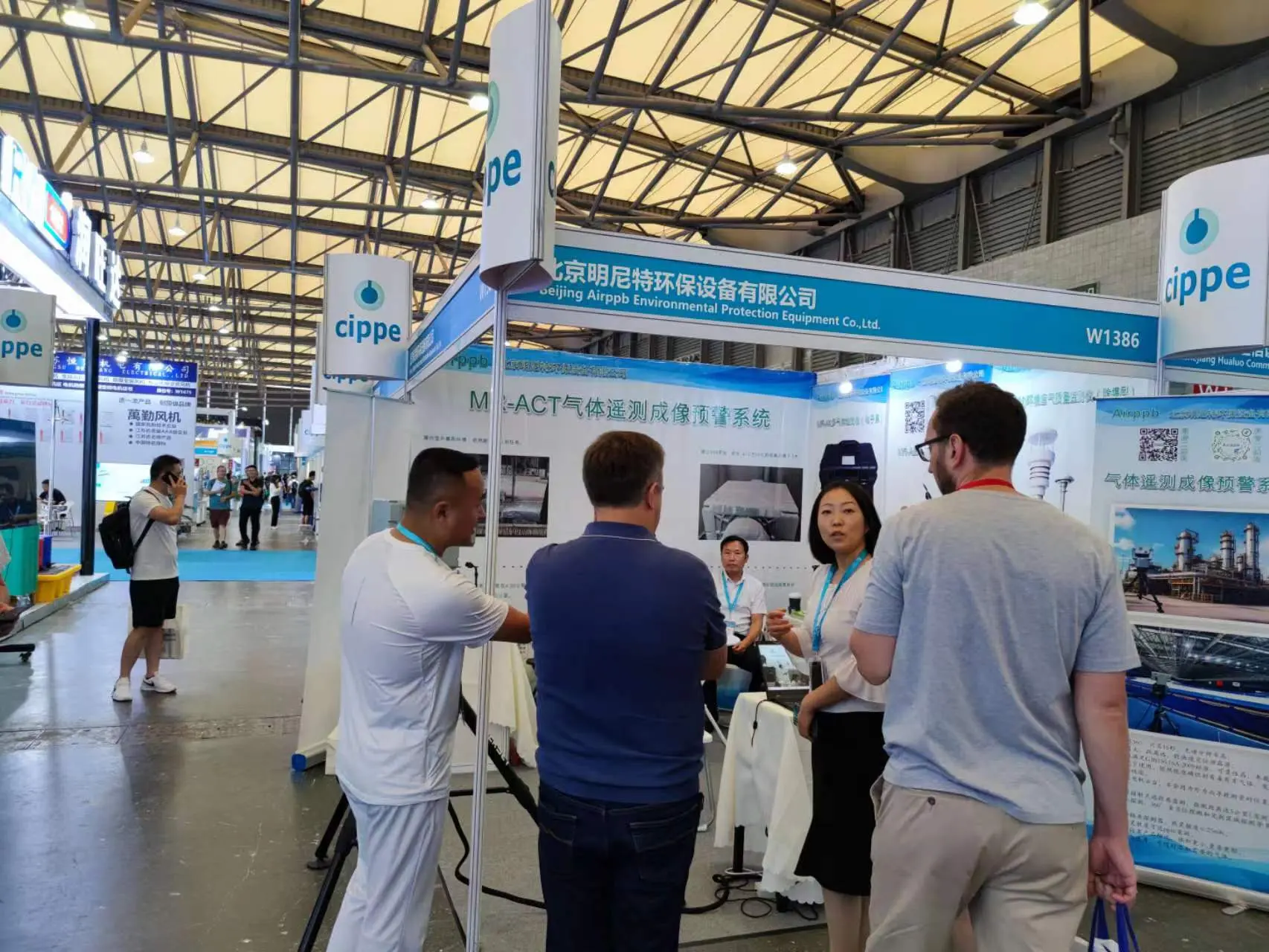
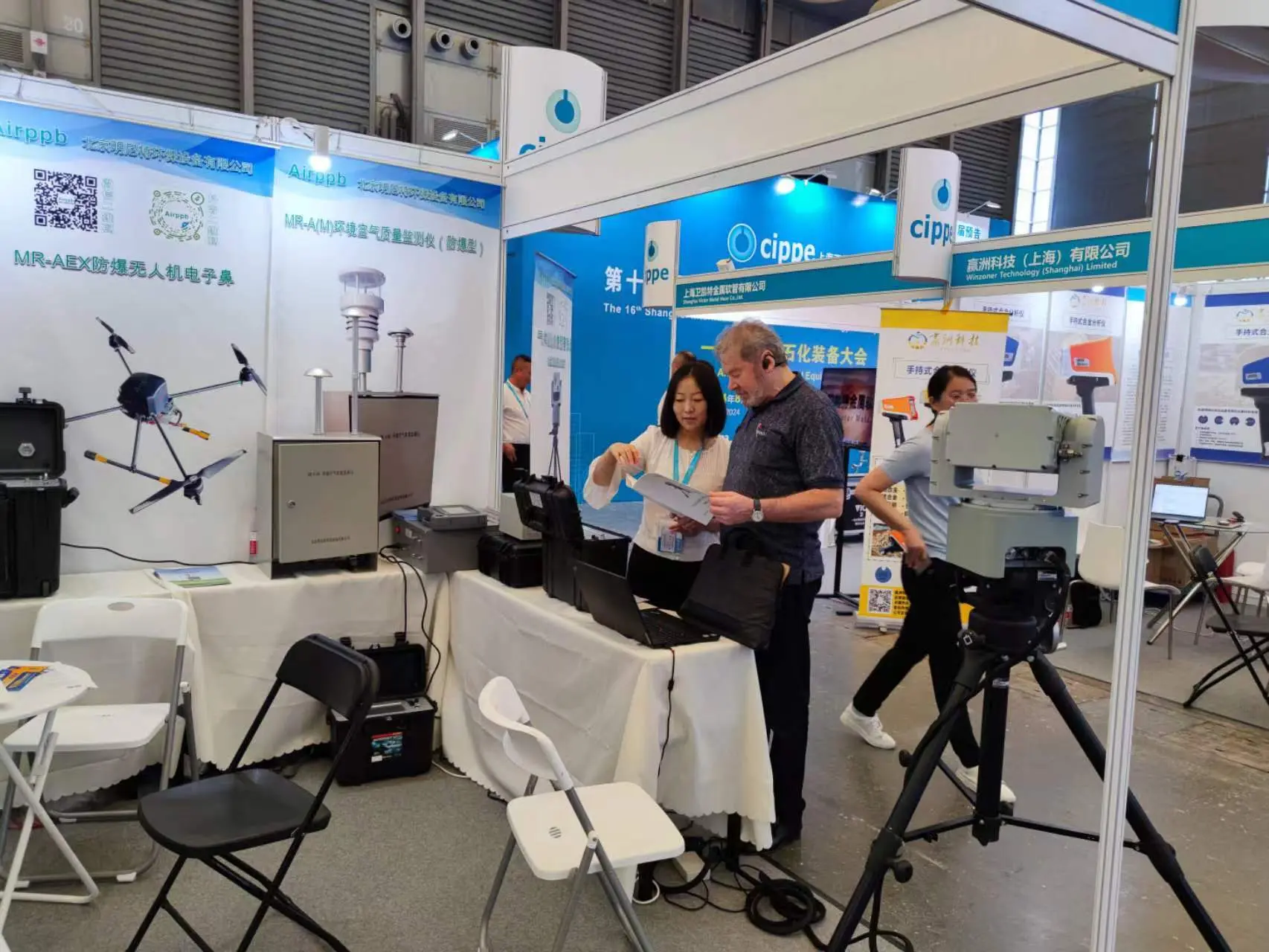

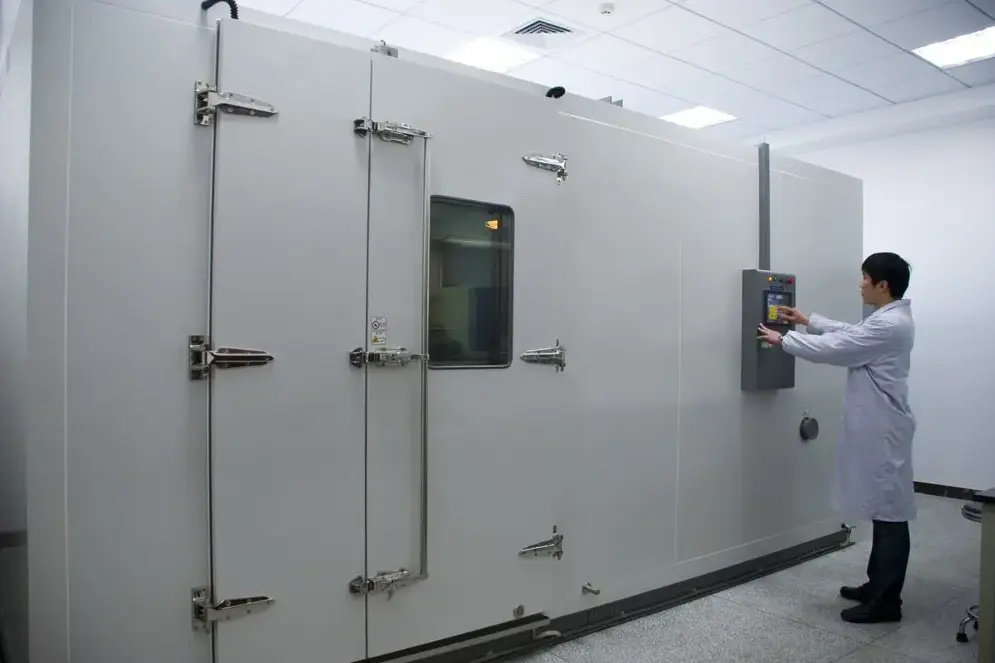
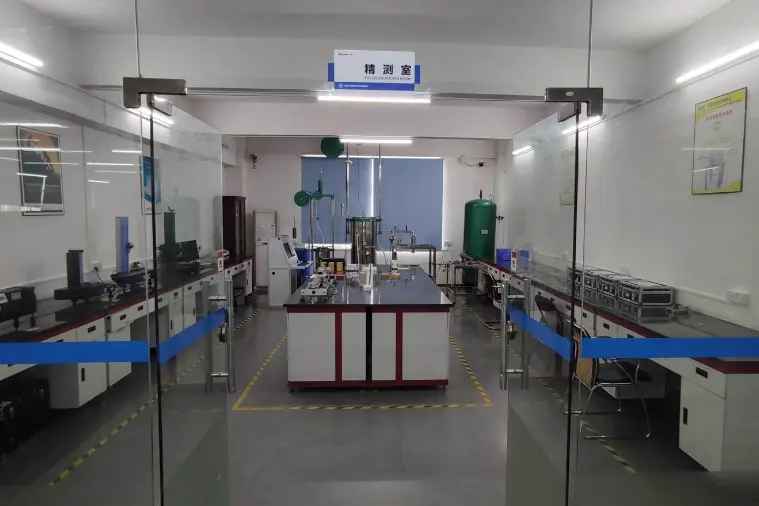
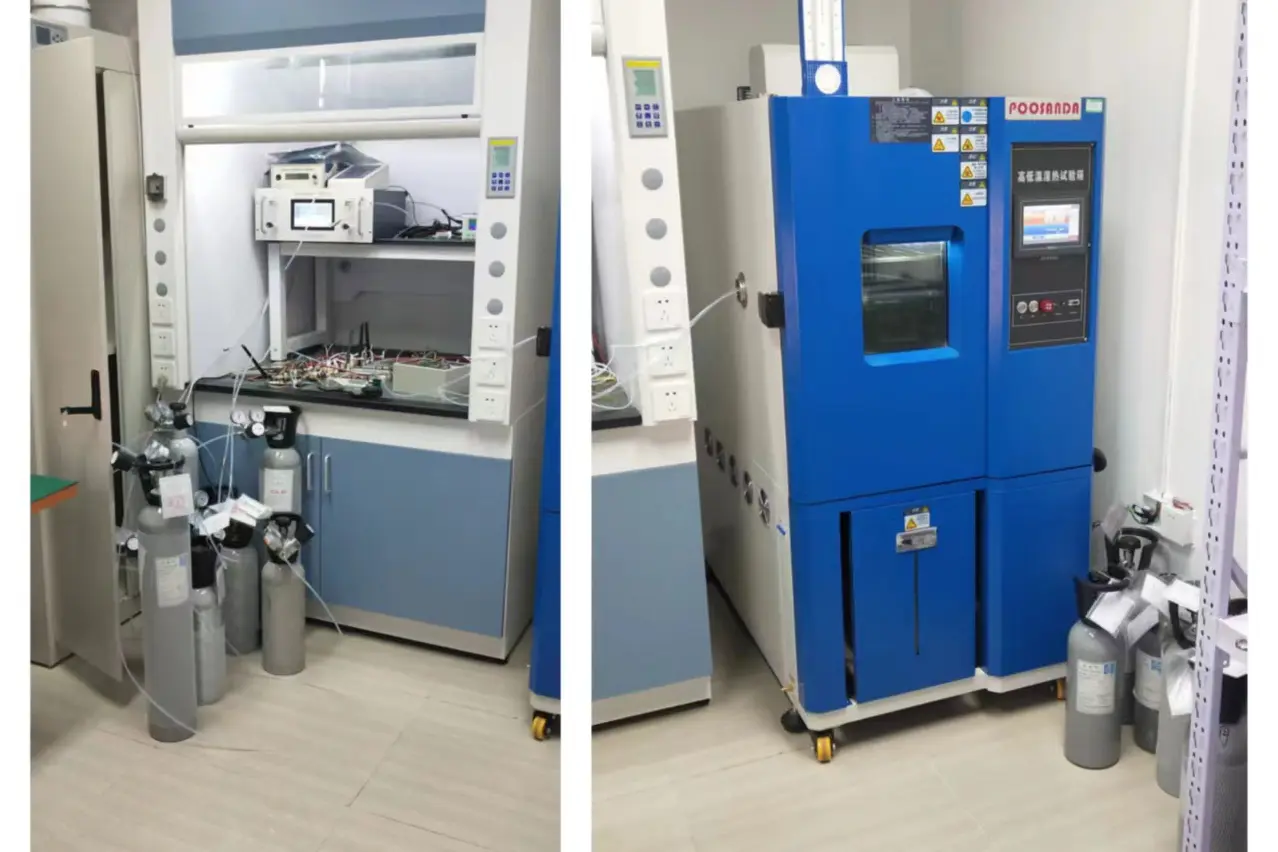
Designed for efficiency, accuracy, and ease of integration into municipal and industrial emergency networks.
Over 15 Years ODM/OEM Experience
Enabling custom integration parameters, personalized branding, and tailored sensor modules for target chemical profiles.
Dedicated R&D Engineering Team
Accounting for 60% of our entire workforce, our team supports hardware, firmware, and software communication configurations.
Strict Quality Control Protocol
From initial design verification to final assembly inspection, our production steps are logged and verified.
Dedicated Technical Support Team
Guiding your procurement staff through evaluation, certification compliance, integration, and field operation steps.


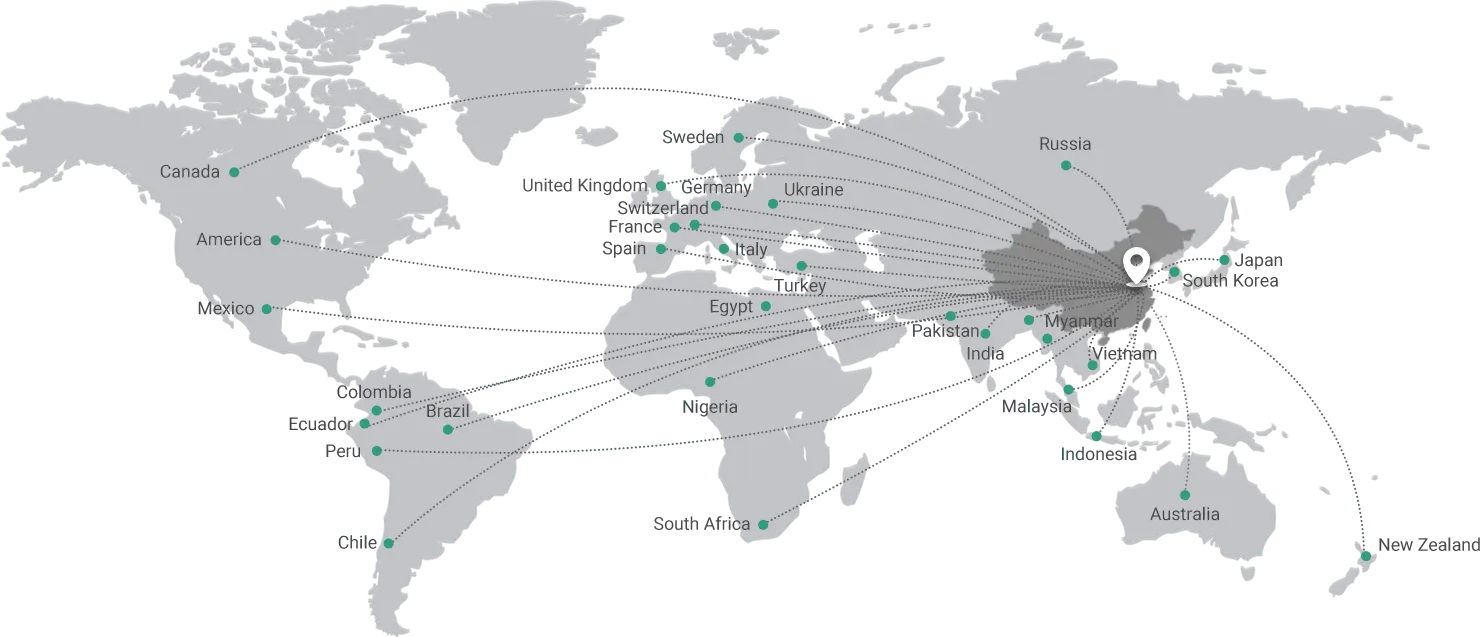
Beijing Airpbb products are deployed across more than 40 countries and regions worldwide.
Our distribution network covers critical industrial sectors in Europe, Asia-Pacific, North America, and the Middle East. By maintaining key logistic partnerships, we ensure timely delivery of custom instrumentation, replacement sensors, and calibration gases to keep your safety systems online.
How regional safety managers integrate our instruments to mitigate industrial, urban, and environmental risks.
The Port of Brussels handles large volumes of bulk liquid chemicals, petrochemical products, and agricultural raw materials. Deploying the MR-FAT Fourier Transform Infrared Telemeter along cargo terminals allows regional managers to monitor loading berths for volatile compounds, mitigating risks before gas drift reaches residential boundaries.
The concentration of European administrative offices, diplomatic compounds, and high-occupancy transit hubs makes the Brussels Capital Region a key area for rapid hazard detection. Our handheld instruments, such as the MR-AIMS Handheld IMS Chemical Identifier, provide first responders and defense personnel with rapid compound classification during suspicious package reports or chemical incident alarms.
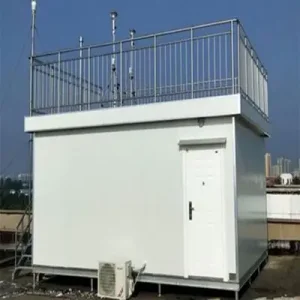
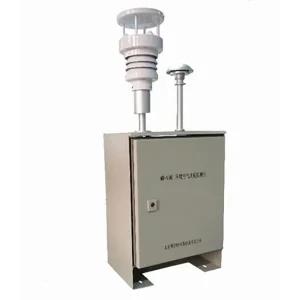
Brussels' city-wide Low Emission Zone (LEZ) demands tracking of nitrogen dioxide, sulfur dioxide, and fine particulates. Implementing the MR-A(S) Ambient Air Quality Monitor (Automatic Station) establishes continuous, high-fidelity monitoring grids that deliver real-time data to municipal environmental departments.
Answering critical queries regarding industrial deployment, sensor technology, calibration parameters, and order cycles.
Explore our technical portfolio of specialized monitoring instruments deployed globally.

 Airppb