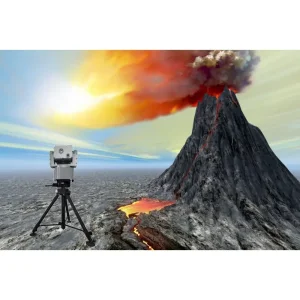
Highly accredited monitoring instruments deployed for industrial security and ecological environmental protection.
Mapping the regulatory frameworks and emergency safety necessities in South America's fastest-growing logistics corridor.
Paraguay, strategically positioned along the Paraná-Paraguay Waterway, is undergoing a major industrial shift. As a primary trade conduit for agricultural exports, petrochemical distribution, and manufacturing zones like Villeta and the San Antonio port hub, the country demands high-reliability industrial gas safety systems. With large-scale storage facilities for Liquid Petroleum Gas (LPG), anhydrous ammonia for refrigeration plants (Frigoríficos), and solvents for chemical processing, emergency response teams face complex gas exposure risks.
Local regulatory agencies, including the Ministerio del Ambiente y Desarrollo Sostenible (MADES) and local fire departments (Bomberos Voluntarios del Paraguay), are implementing stricter compliance frameworks. Standardizing hazardous environment assessments and real-time gas monitoring is no longer optional—it is a critical pillar of Paraguay's national infrastructure resilience strategy.
| Sector | Target Gas / Hazard | Required Tech |
|---|---|---|
| Grain Silos | Phosphine (PH3), CO2 | Electrochemical / NDIR |
| Cold Storage | Ammonia (NH3) | Electrochemical Sensors |
| Waterway Ports | LPG, VOCs, Benzene | PID Detectors / FTIR |
| Hazmat Response | CWA, Toxic Gases | Handheld IMS / FTIR Imaging |
Paraguay is a global leader in soybean and grain exports. Large silo facilities located in Alto Paraná, Itapúa, and Canindeyú rely heavily on chemical fumigation (predominantly Phosphine) to protect stored agricultural yields. Phosphine is highly toxic and flammable. Without precision detection, workers entering confined grain storage areas face extreme hazards.
Implementing multi-gas detectors with localized telemetry allows managers to map toxic thresholds and ensure workers are protected. These systems also streamline reporting for occupational health audits under local labor laws.
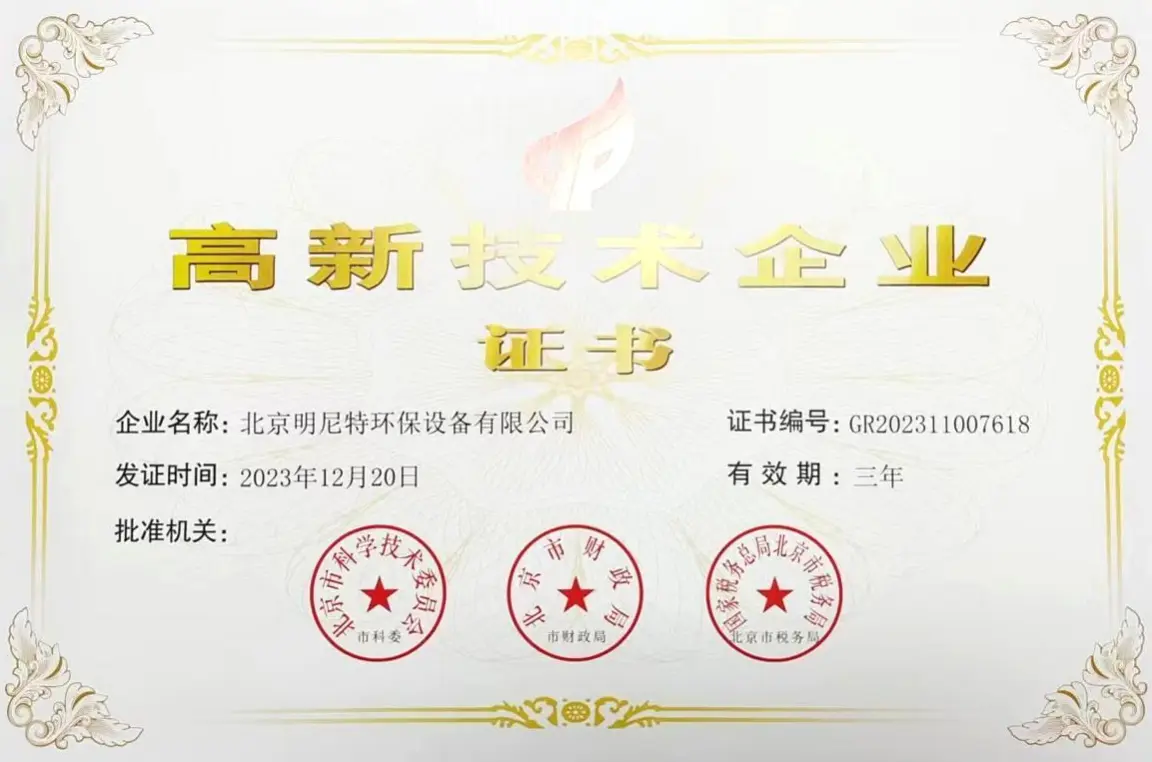
Minnit(Airppb) is a national high-tech enterprise focusing on the research and development and industrialized innovative application of precision gas detection instruments. The company uses technological innovation to realize on-site, automated and intelligent analysis, detection and monitoring, and is committed to becoming the world's leading manufacturer of scientific instruments.
It has mastered relatively complete gas analysis and detection technologies such as electrochemistry, PID, and spectroscopy, and developed laboratory Analysis, on-site analysis (portable, online, mobile), automated analysis and a series of technologically leading product portfolios provide global users with comprehensive and professional solutions in the fields of advanced industry, ecological environment emergency safety and other fields.
As a leading supplier in the global gas analysis market, Beijing Airpbb Environmental Protection Equipment Co., Ltd. leverage China's advanced supply chain networks to provide highly customizable, durable safety equipment. By integrating research, core component manufacturing, and automated assembly in Beijing, we ensure absolute cost-performance ratio and strict adherence to international safety metrics. Our product lines deliver high-precision performance matching European standards, backed by rapid shipment processing and direct manufacturing lines.

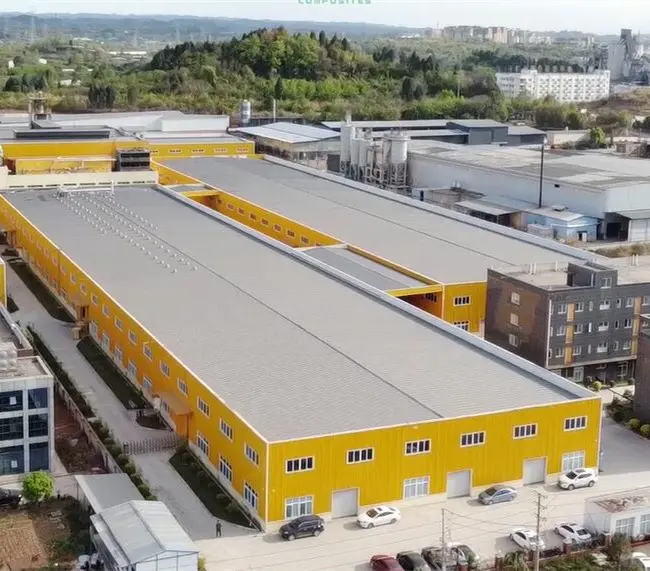
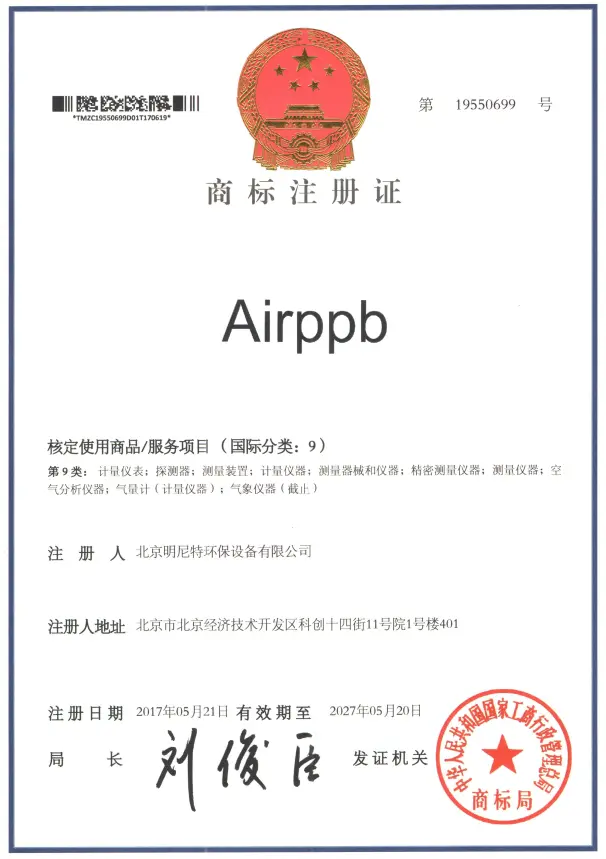
Established in 2012, our group company is committed to the development and production of Fourier infrared gas remote sensing imaging early warning systems, ambient air quality monitors, high-precision dynamic gas distribution meters, multi-gas emergency detectors, ambient air analysis, detection and other related instruments, and OEM/ODM various gas detectors; the company has a number of intellectual property rights.
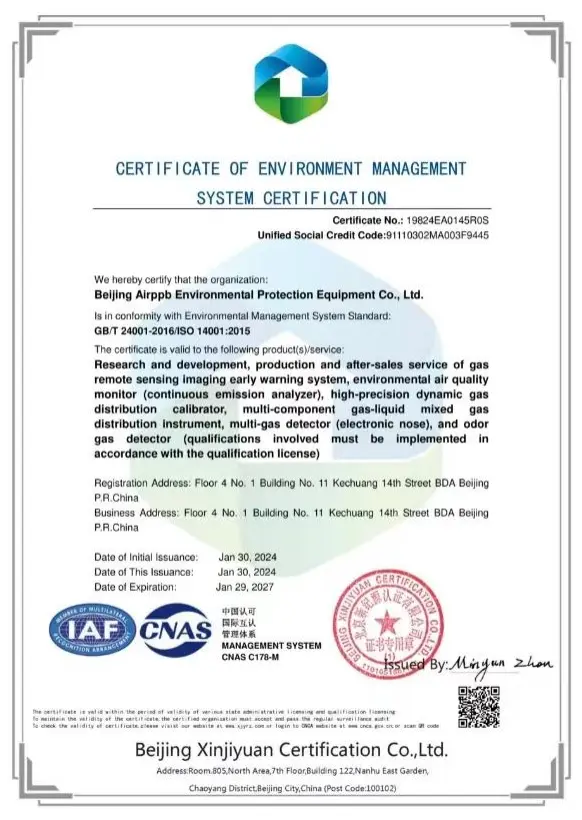
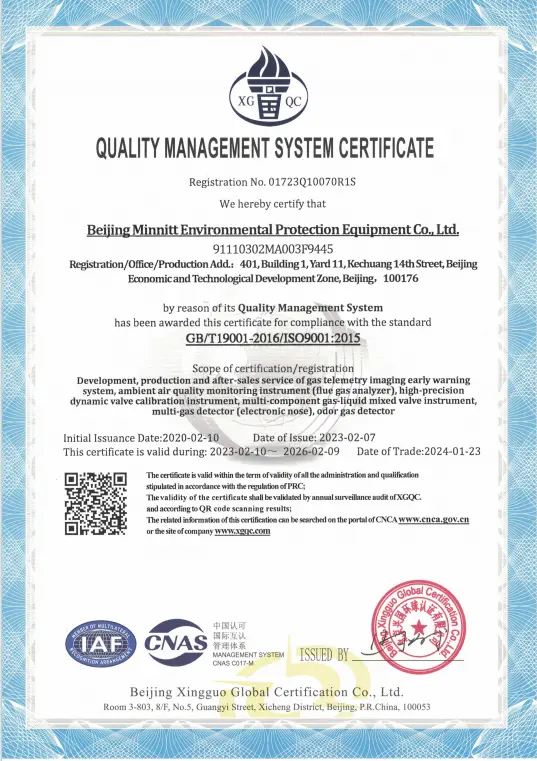
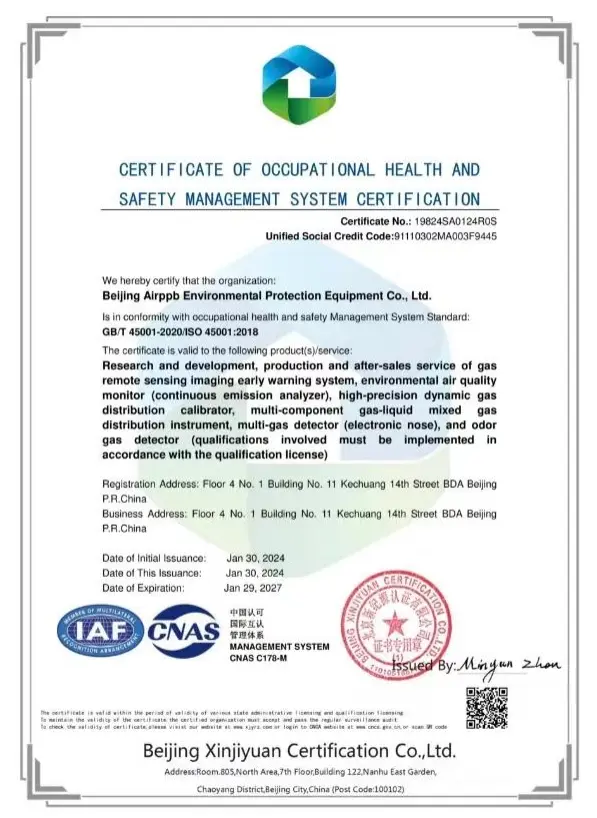
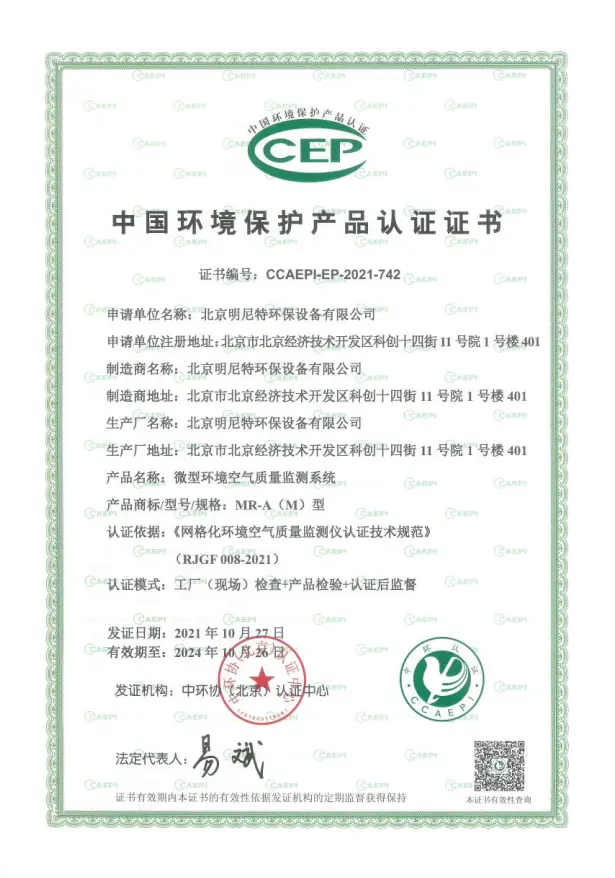
Product quality strictly follows ISO9001 QUALITY MANAGEMENT SYSTEM CERTIFICATE, ISO14001 CERTIFICATE OF ENVIRONMENT MANAGEMENT SYSTEM CERTIFICATION, and ISO45001 CERTIFICATE OF OCCUPATIONAL HEALTH AND SAFETY MANAGEMENT SYSTEM CERTIFICATION. We strictly comply with product certifications from relevant national departments, such as CPA, CCEP, and CNAS/CMA test reports.

Developing Next-Generation Early Warning Systems for Hazardous Industries.
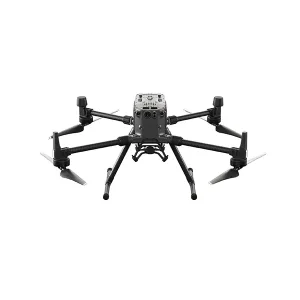
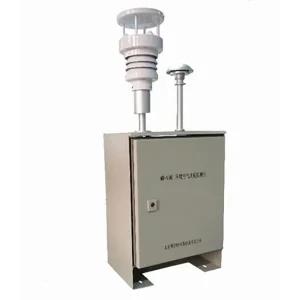
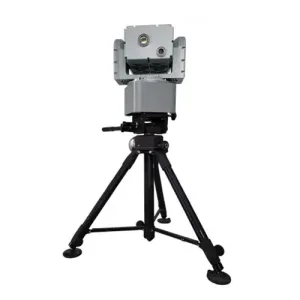
Enables long-range telemetry and identification of organic and inorganic chemical plumes without direct contact. Ideal for environmental perimeter security and wide-area industrial monitoring.
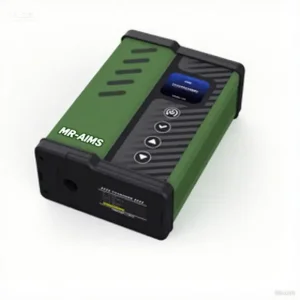
Delivers sub-ppb detection speeds for volatile chemical compounds and hazardous vapors. Handheld IMS units serve security operators and emergency responders in identifying chemical hazards on site.
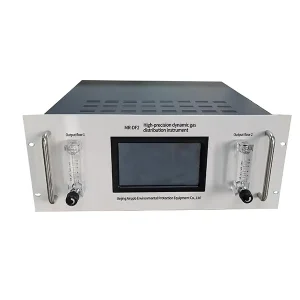
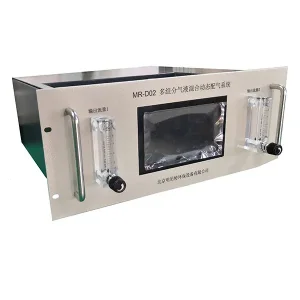
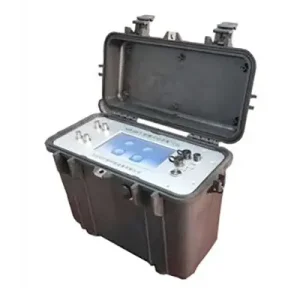
Allows local laboratories to generate exact calibration gas standards dynamically. Drastically reduces maintenance downtime and chemical container transport costs in remote operation sites.
Global engineering procurement companies (EPCs) demand rigorous system specifications, multi-language UI, field calibration capabilities, and robust durability ratings (such as IP67 and ATEX explosion-proof compliance). Our designs address these parameters, facilitating seamless system integration across oil refineries, cold chains, mining zones, and national civil defense programs.
Four pillars of service excellence that guarantee peak performance and seamless supply chain integration.
Custom private labeling, housing modifications, and unique sensor configurations to build local brands in global territories.
Our R&D department accounts for 60% of the entire company, focusing on spectroscopy and micro-sensor development.
Comprehensive calibration checks, environment chamber simulation, and rigorous physical testing of each analytical system.
Trained application engineers who evaluate chemical environments to match clients with optimal safety instrumentation.
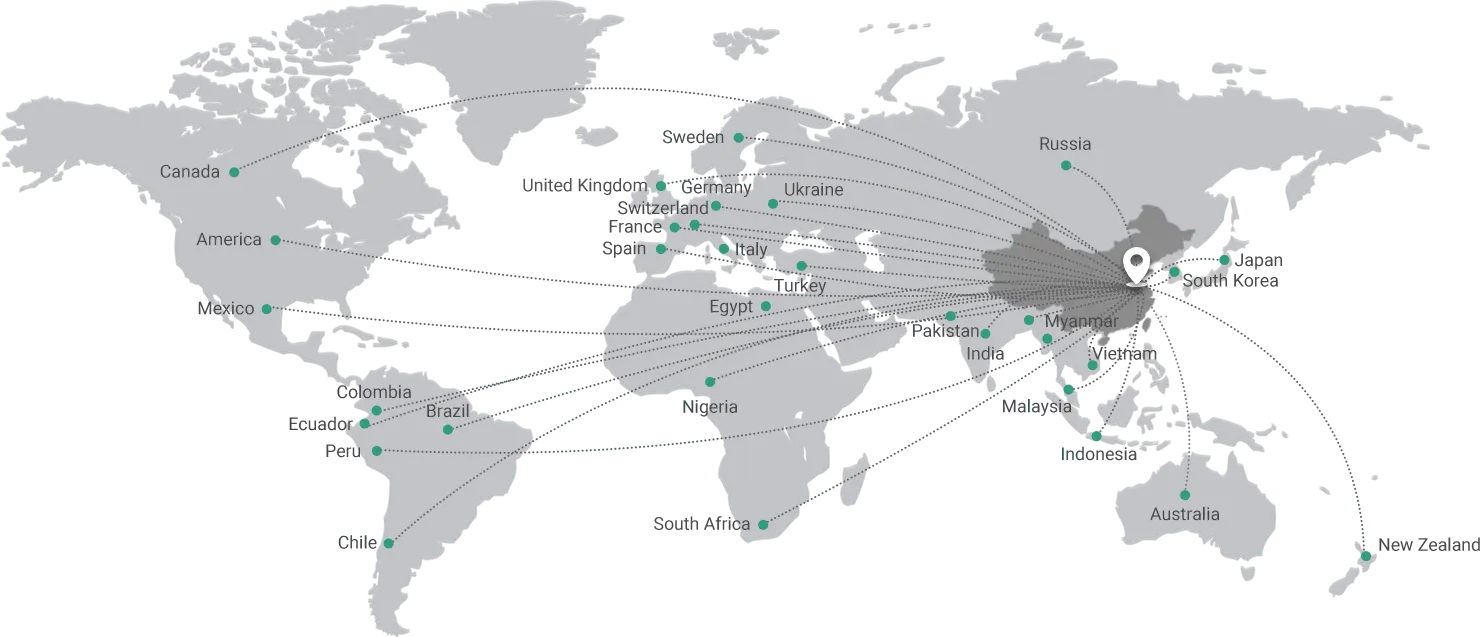
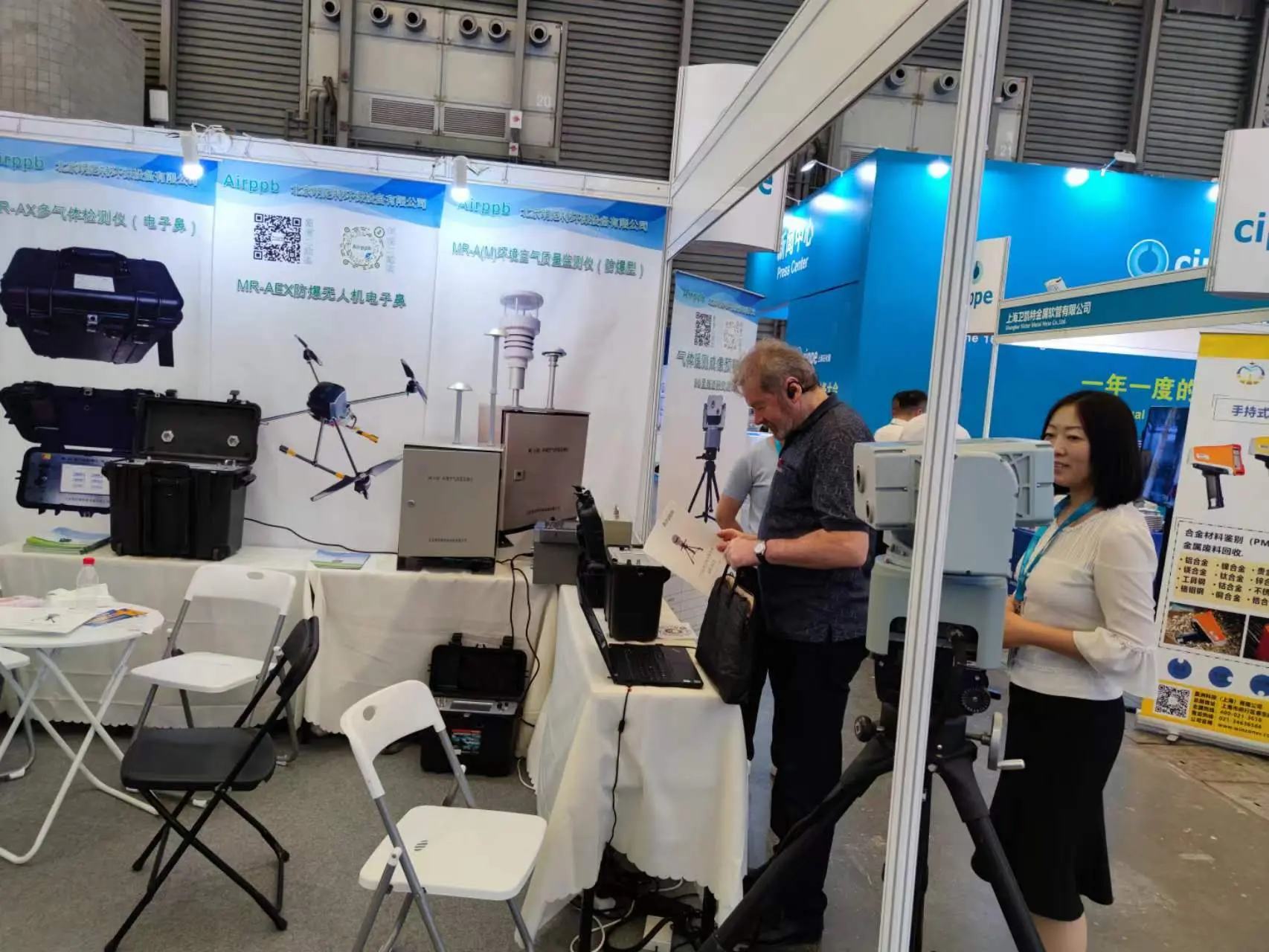
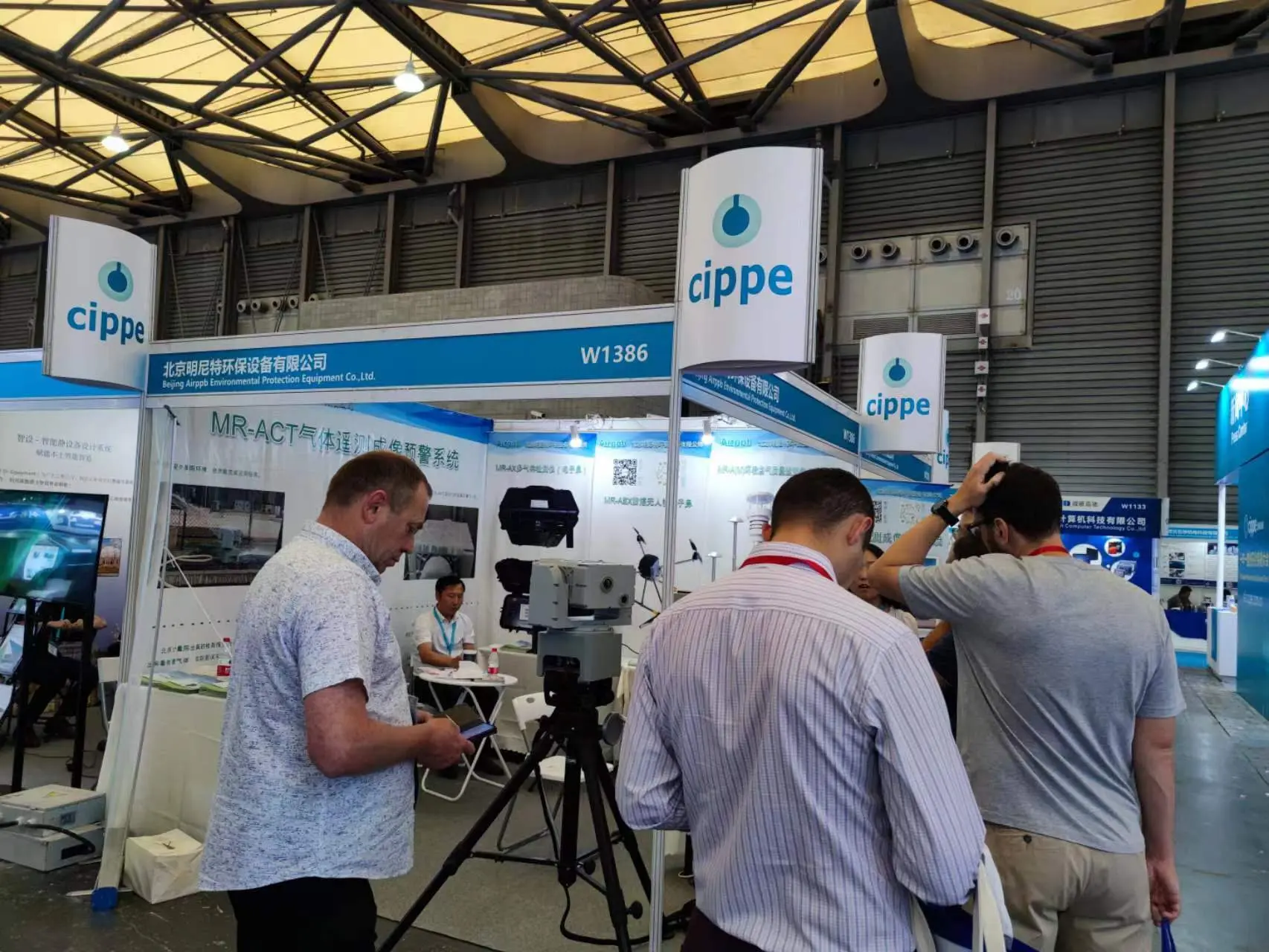
Delivering high-tech instrumentation across major global logistics channels and participating in international expos.
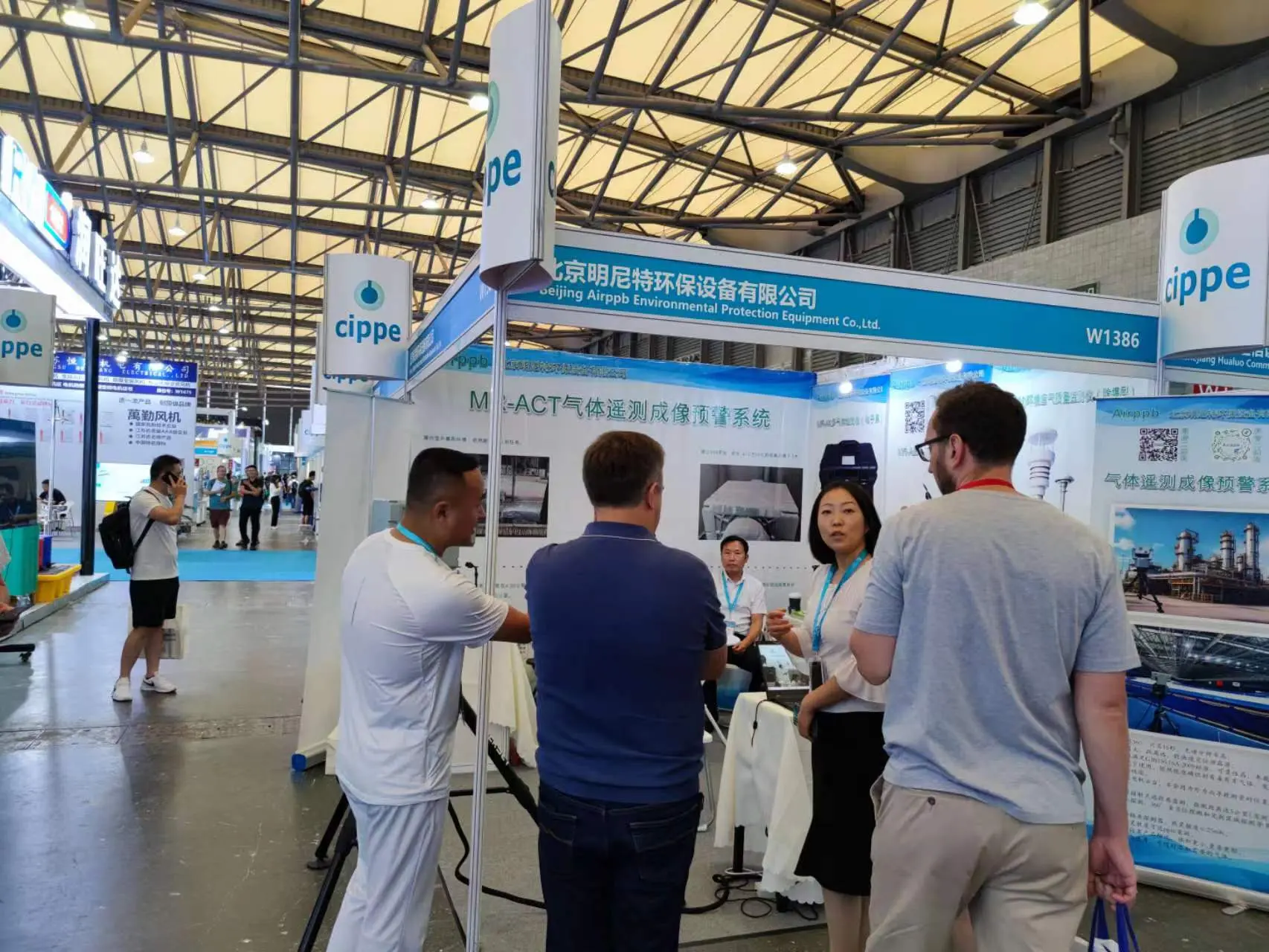
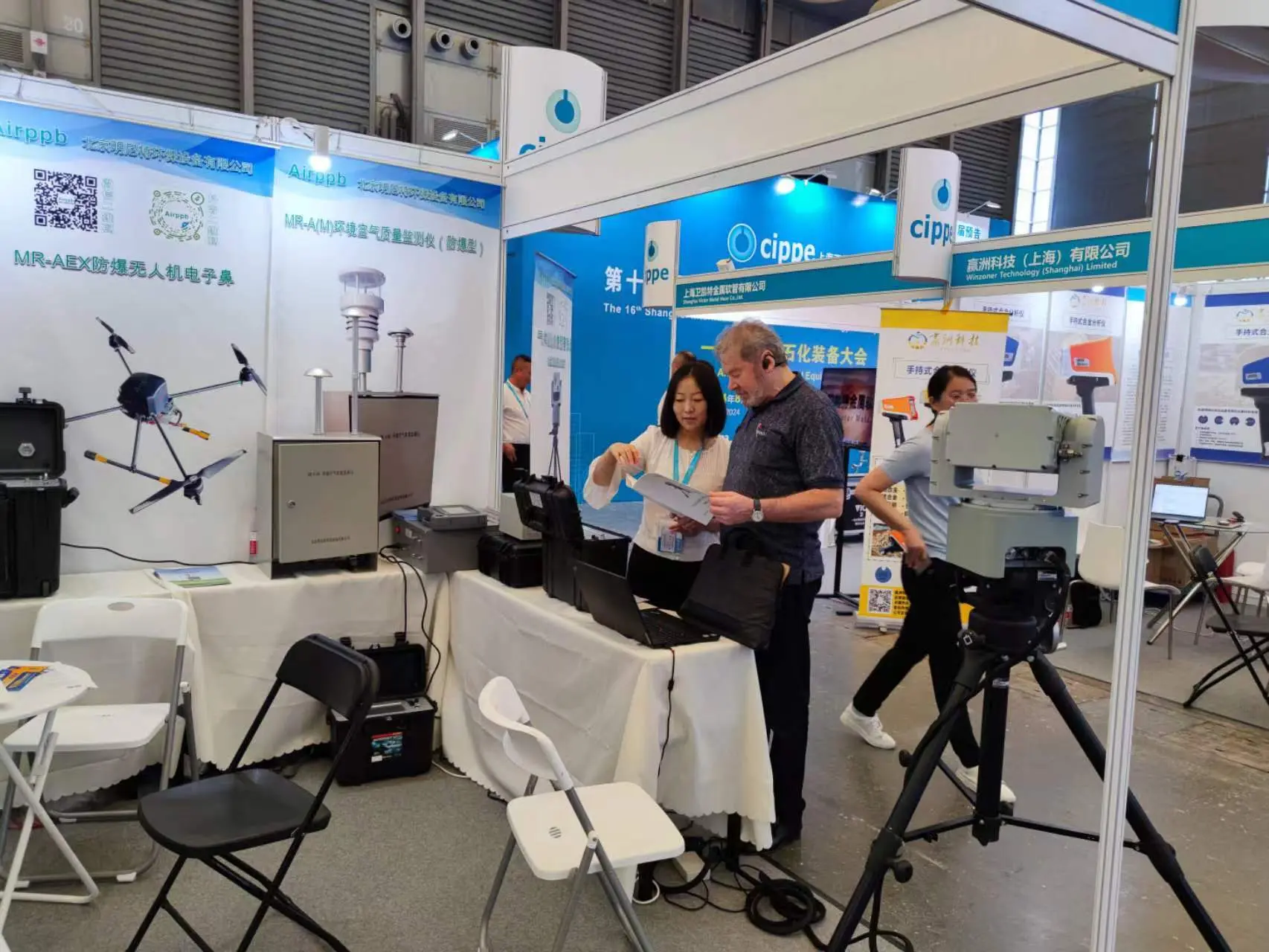

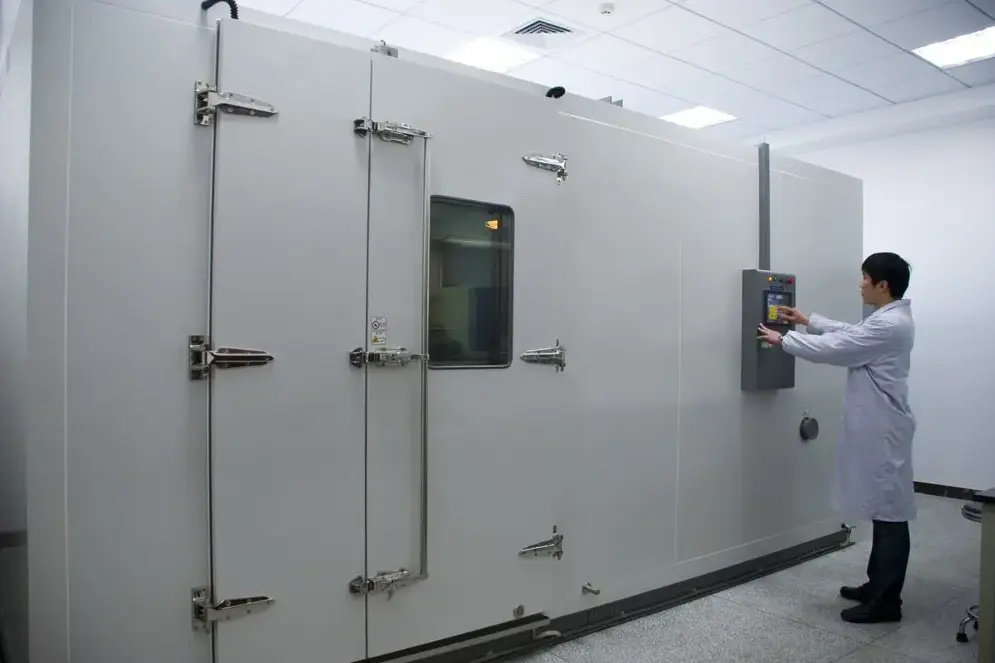
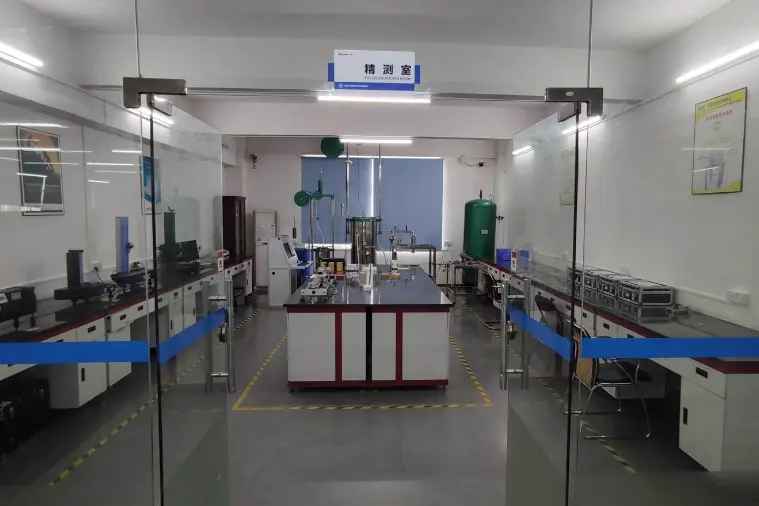
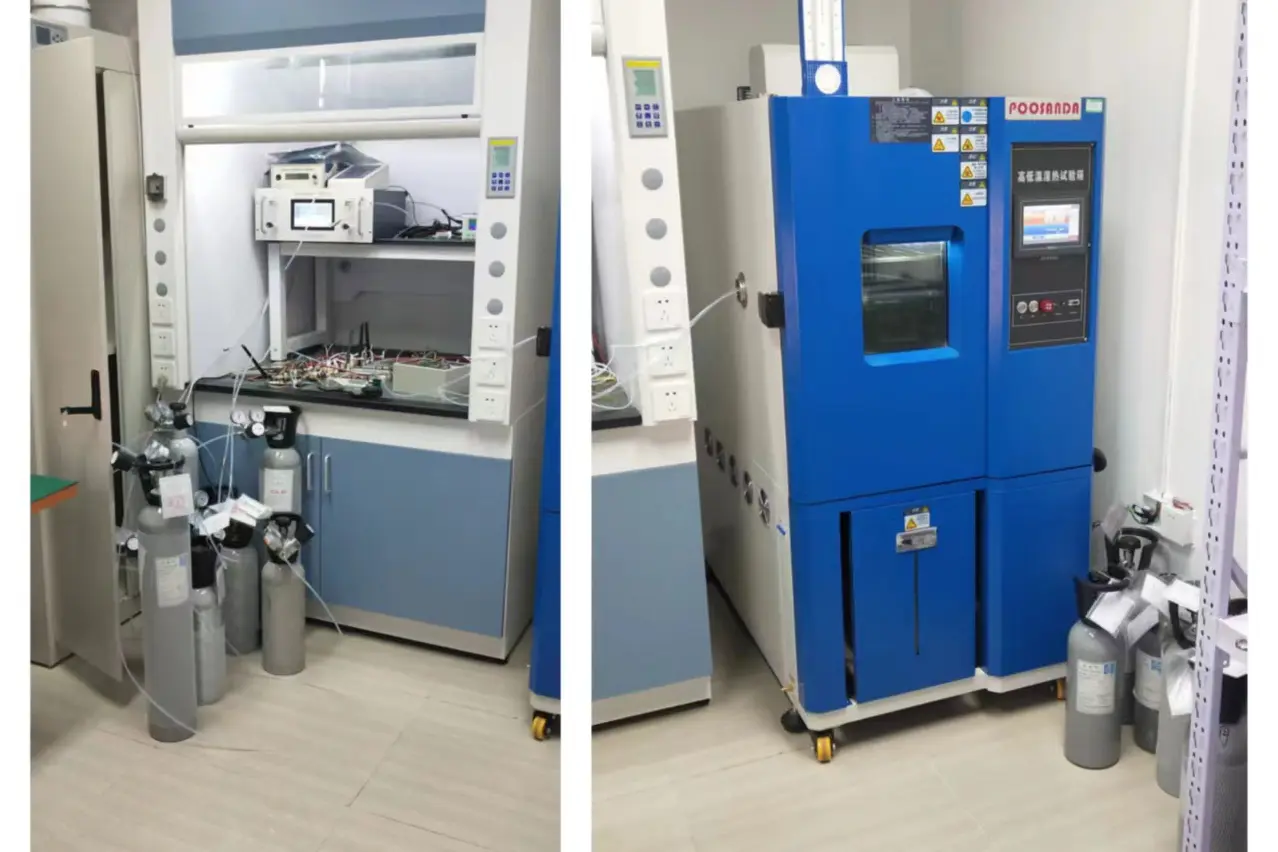
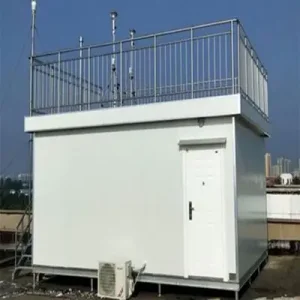
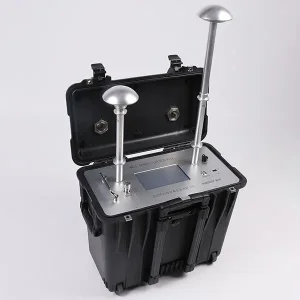
Engineered monitoring systems and dynamic gas distribution instruments optimized for extreme conditions.
Answering the most critical technical queries from global EPCs, safety directors, and environmental officers.
In Paraguay, environmental and industrial safety equipment is governed by MADES (Ministerio del Ambiente y Desarrollo Sostenible) and local municipal safety departments. Facilities operating in high-risk zones, such as chemical ports and grain silos, must have their gas detection systems calibrated against traceable standards periodically (usually every 6 to 12 months).
Our high-precision dynamic gas distribution meters (such as the MR-DF2 and MR-DF3) enable local calibration laboratories in Asunción to generate exact gas concentrations on-site, ensuring full local traceability without the need to ship calibration cylinders across borders.
Subtropical climates, such as those in eastern Paraguay and the Chaco region, exhibit high humidity and high summer temperatures (frequently exceeding 40°C). Our Fourier Transform Infrared (FTIR) telemetry system, the MR-FAT, is engineered with environmental protection housing and integrated cooling mechanisms.
The system utilizes automatic baseline correction algorithms to offset moisture absorption lines in the infrared spectrum, guaranteeing accurate detection of fugitive VOC emissions, ammonia leaks, and combustion gases even in humid, high-temperature port facilities.
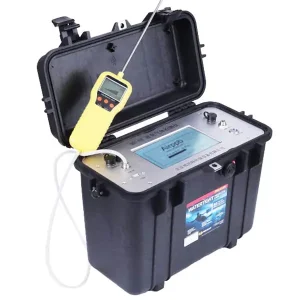
Yes. The MR-AX Multi-Gas Detector is designed to identify and quantify up to dozens of gases simultaneously, including volatile organic compounds (VOCs), toxic industrial gases (like Chlorine, Ammonia, and Hydrogen Sulfide), and combustible gases.
Using a combination of Photoionization Detectors (PID), Electrochemical cells, and Non-Dispersive Infrared (NDIR) sensors, the MR-AX provides immediate readouts, which is critical for first responders during industrial accidents or chemical transport emergencies along the Paraguay-Paraná river route.
Ion Mobility Spectrometry (IMS), used in our MR-AIMS Handheld Gas Identifier, provides extremely high sensitivity (often in the parts-per-billion range) and rapid response times (within seconds) for tracing specific toxic chemicals, drugs, and explosives.
Traditional sensors often suffer from cross-sensitivity in complex chemical environments. IMS differentiates chemical ions based on their drift velocity in an electric field, providing a reliable fingerprint of target molecules. This is an essential technology for civil defense teams, military installations, and high-security border operations in Paraguay.
Absolutely. We have over 15 years of OEM and ODM experience, supporting local safety equipment distributors and system integrators. We can customize instrument enclosures, firmware translations (Spanish/Portuguese), sensor arrays, and remote communication modules (such as GPRS, 4G, or LoRaWAN integration for remote Chaco installations) to fit specific local requirements.
Our production facilities operate under strict compliance with ISO9001 Quality Management System, ISO14001 Environmental Management System, and ISO45001 Occupational Health and Safety Management System. Additionally, our products carry CPA (Pattern Approval of Measuring Instruments), CCEP (China Certification for Environmental Products), and CNAS/CMA testing accreditations, ensuring they meet rigorous international safety benchmarks.
Static gas cylinders degrade over time due to adsorption onto the cylinder walls, especially for reactive gases like H2S, NH3, or NO2. High-precision dynamic gas distribution instruments (like the MR-DF2) blend pure concentrated gases with diluents dynamically, guaranteeing fresh, precise concentrations.
This allows metrology laboratories to execute multi-point calibration curves on-demand, reducing the need to stock dozens of expensive, short-shelf-life calibration gas cylinders.
Our MR-ACT Remote Volcanic Gas Monitoring System uses infrared spectroscopy to measure SO2, CO2, and HCl emissions from active vents over large distances. This same optical principle is applied in industrial stack monitoring and chemical refinery perimeters.
It allows operators to continuously monitor gas plume concentrations over a wide spatial range without mounting physical sensors directly inside highly corrosive, hot exhaust stacks, significantly reducing maintenance overheads.
Connect directly with our application engineers to custom-configure your gas monitoring systems. Receive technical specifications, compliance guidelines, and a comprehensive quote tailored to your local requirements.
Send Inquiry Now Airppb