 Airppb
Genoa Industrial & Commercial Landscape: Gas Monitoring & Emergency Context
Genoa, serving as Italy's preeminent seaport and a cornerstone of the historic industrial triangle (Genoa-Milan-Turin), holds a unique position in Europe's maritime commerce, logistics, and heavy manufacturing sectors. As a dense marine hub handling millions of tons of dry bulk, liquid natural gas (LNG), petrochemical imports, and container cargo annually, Genoa presents severe and multifaceted environmental safety challenges. Heavy ship traffic, petroleum refinery complexes near residential areas like Multedo, and massive infrastructural networks including complex tunnel highways (A10, A7, A26) expose the metropolitan region to volatile organic compound (VOC) emissions, hazardous industrial gases, and potential leakage disasters.
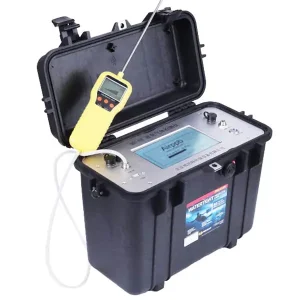
In accordance with Italy's strict compliance with the European Seveso III Directive (2012/18/EU) and national occupational safety regulations (D.Lgs. 81/08), local industries are mandated to install top-tier toxic gas leak detection, air quality telemeters, and remote warning infrastructure. Under the watchful jurisdiction of the ARPAL (Ligurian Regional Environmental Protection Agency) and the Genoa Port Authority, real-time tracking of hazardous emission clouds (SOx, NOx, benzene, carbon monoxide, and hydrogen sulfide) has transitioned from a regulatory obligation to a technological baseline. As a result, our state-of-the-art gas detectors, telemetry equipment, and dynamic calibration devices are deployed across Genoa's shipyards, petrochemical zones, and logistic hubs to guarantee rapid hazard isolation and human protection.
Global Industrial Trends: The Evolution of Intelligent Hazard Monitoring
The global gas analysis and atmospheric monitoring sector is undergoing a massive shift from traditional localized point detectors to integrated, cloud-connected, and telemetry-focused networks. Key drivers include:
- Spectroscopic Gas Detection: Advanced optical technologies like FTIR (Fourier Transform Infrared Spectroscopy) and IMS (Ion Mobility Spectrometry) are replacing standard chemical cells, offering unparalleled sensitivity (ppb levels) and near-instantaneous response times without sensor decay.
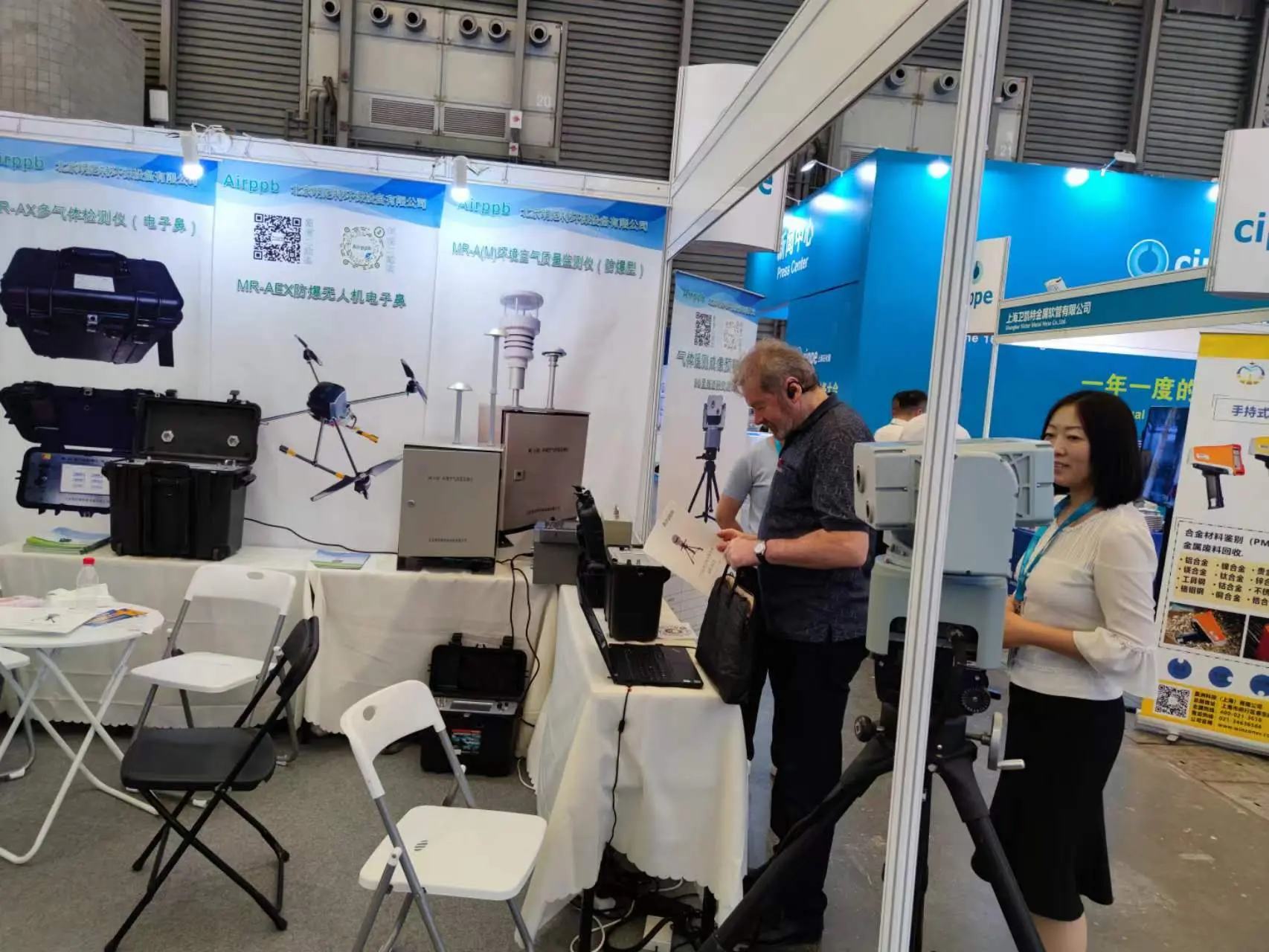
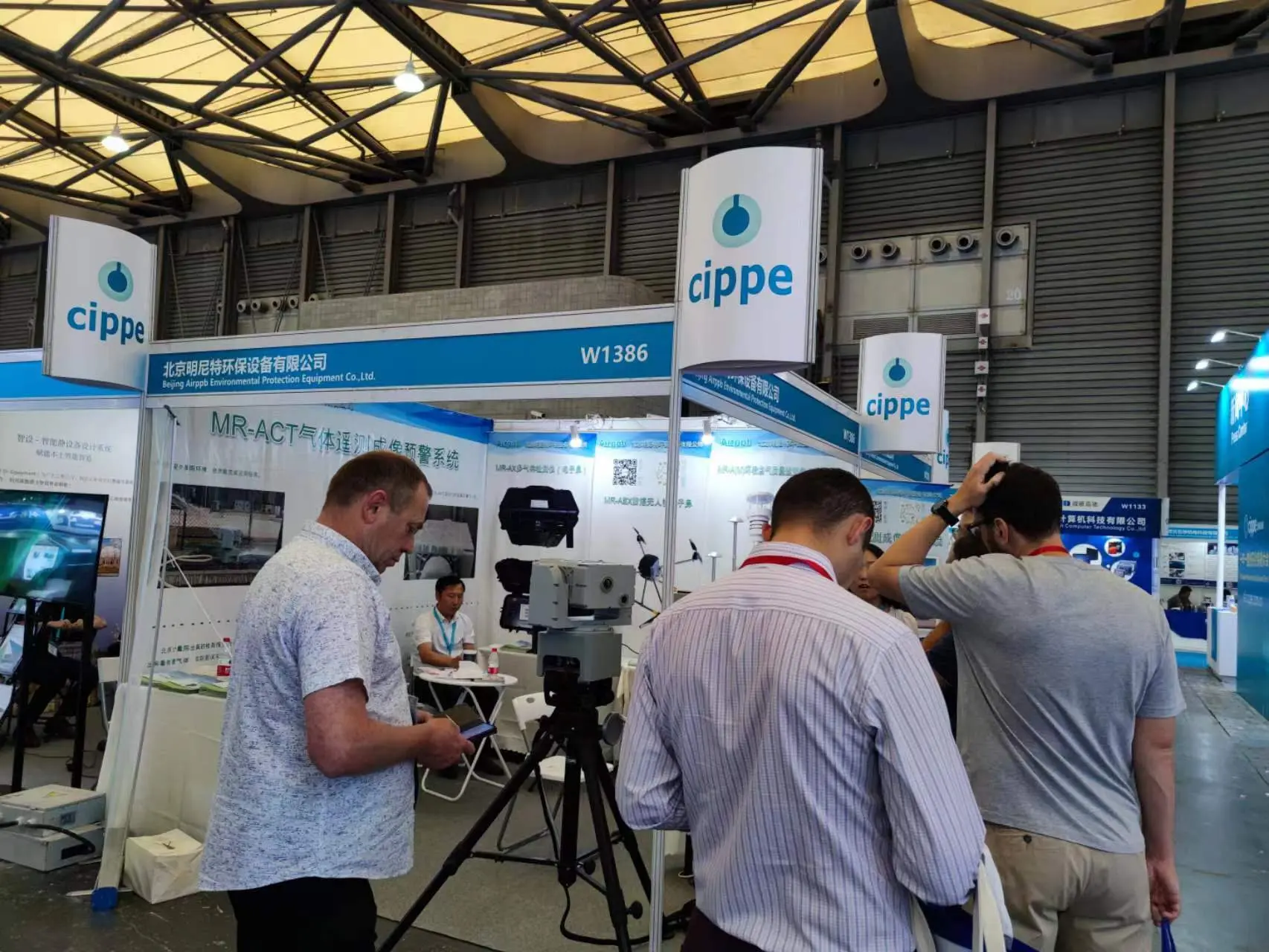
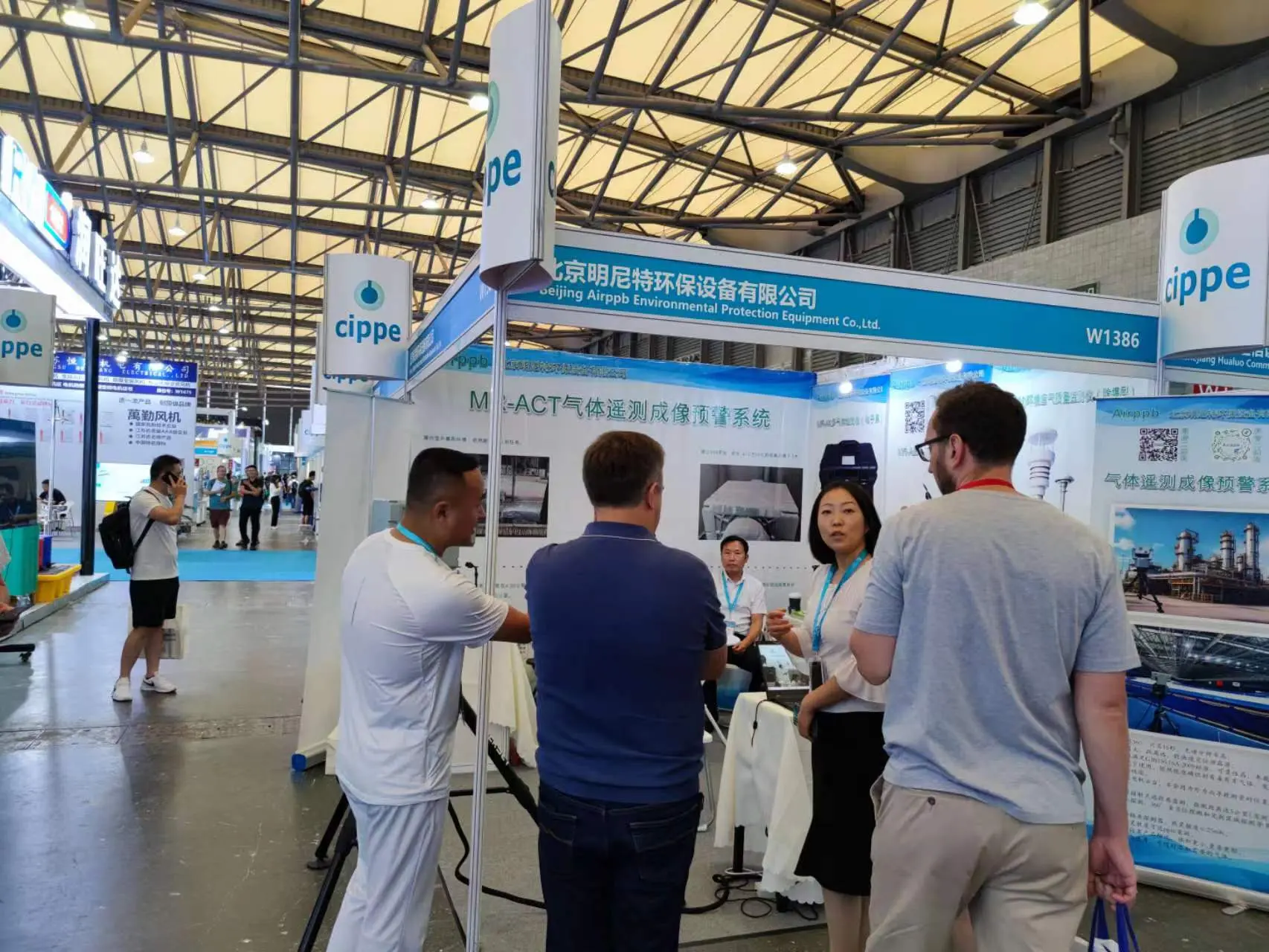
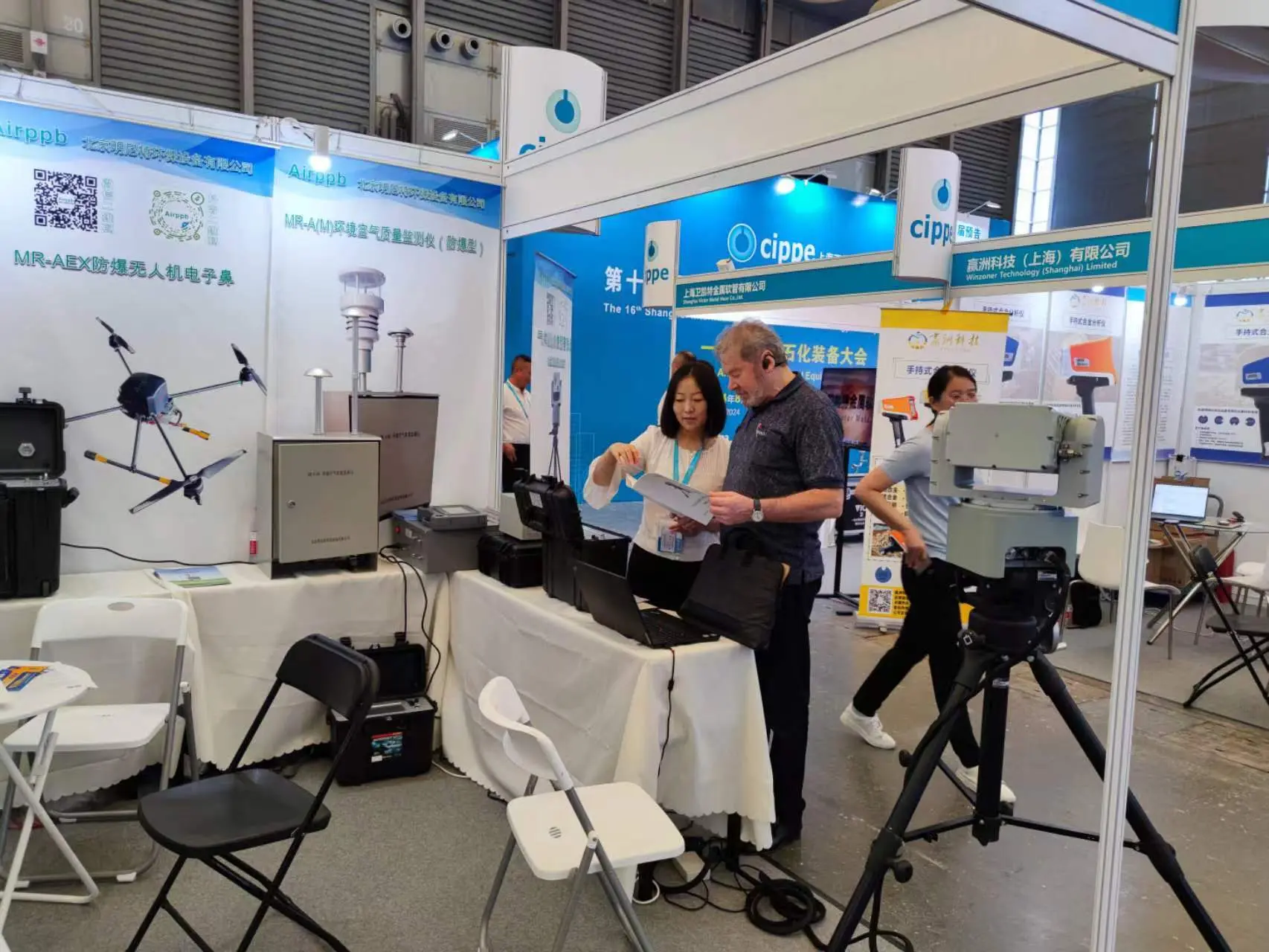
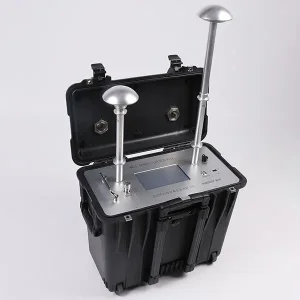
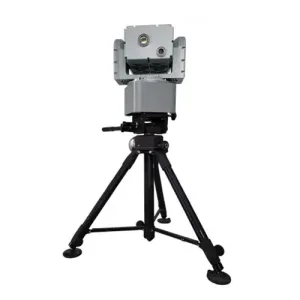
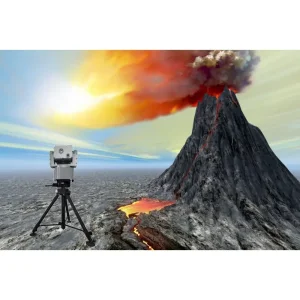
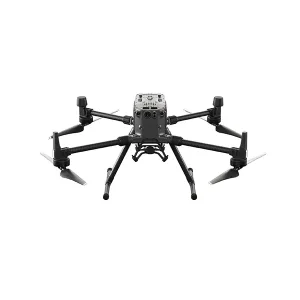
- Remote Area & Telemetry Mapping: Instead of placing technicians in hazardous areas, long-range imaging telemetry systems sweep whole petrochemical plants and port yards to identify chemical plumes from kilometers away.
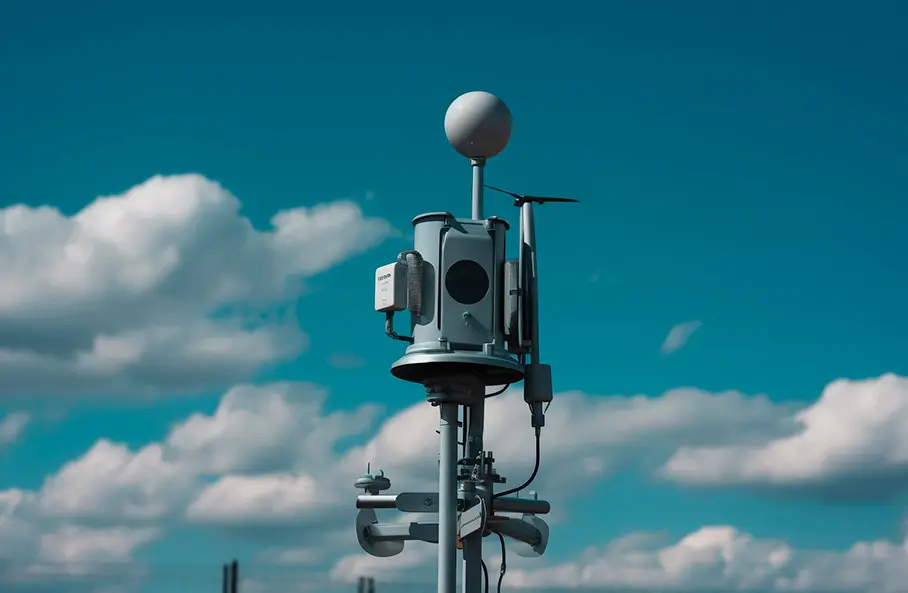
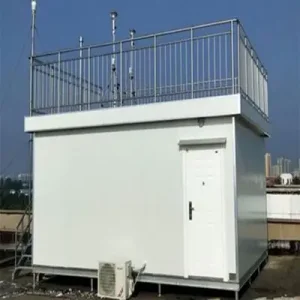
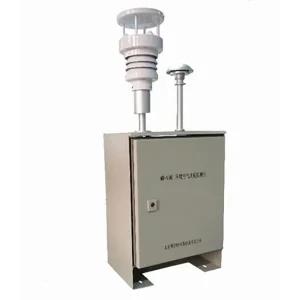
- IoT and Automated Systems: Networked ambient air quality micro-stations form dynamic mesh networks, providing continuous spatial monitoring of urban industrial interfaces.
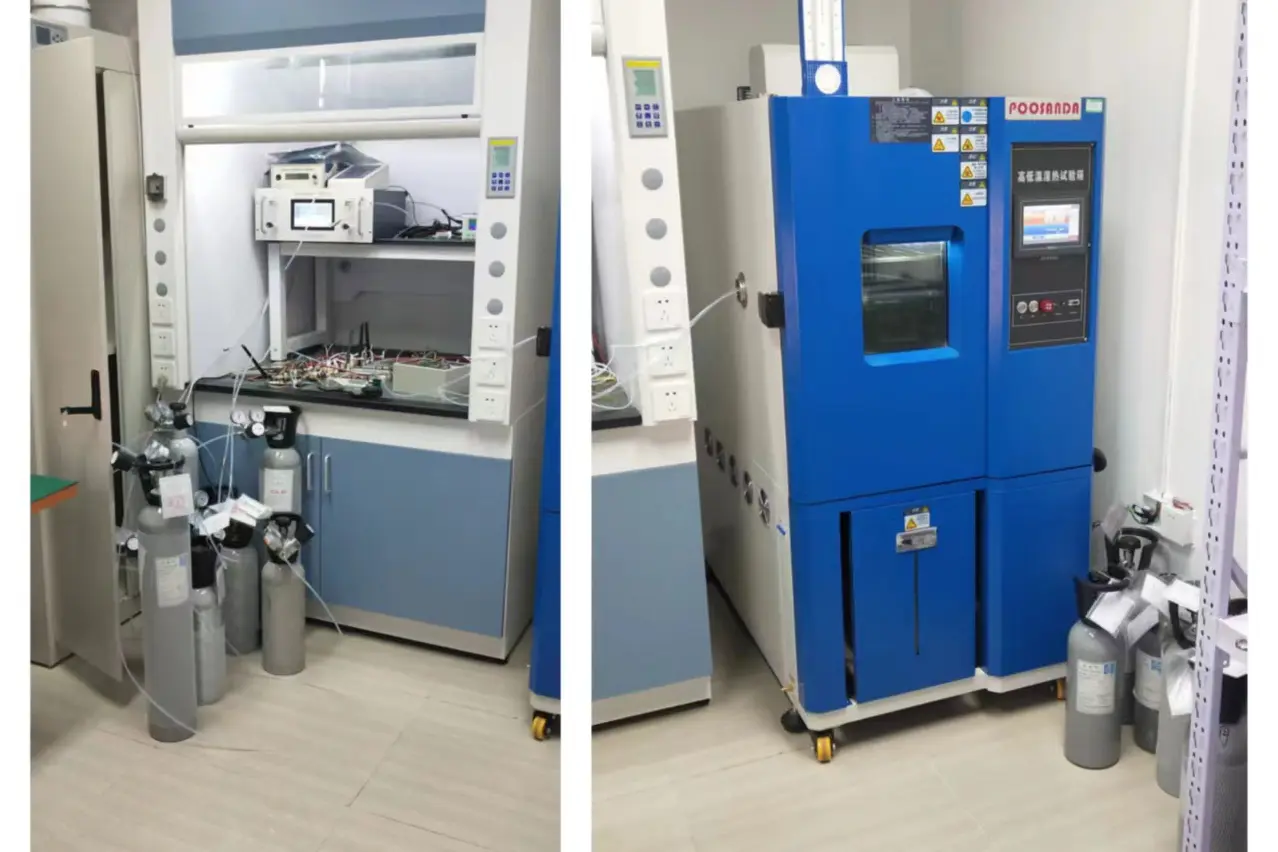
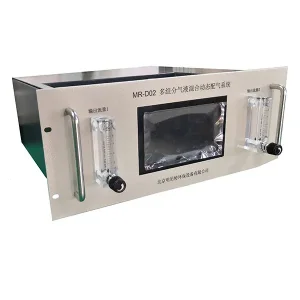
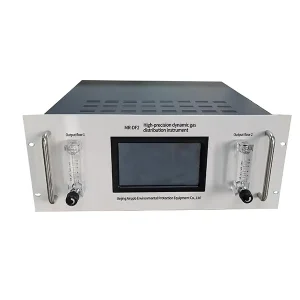
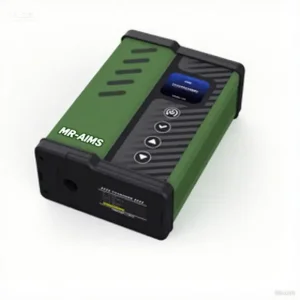
- Dynamic On-Site Gas Calibrators: Strict traceability demands that field equipment undergo daily, high-precision calibration using dynamic gas mixers, reducing laboratory transportation costs.