High-precision trace calibration and regional volcanic safety systems configured specifically for the Fiji meteorological and ecological framework.
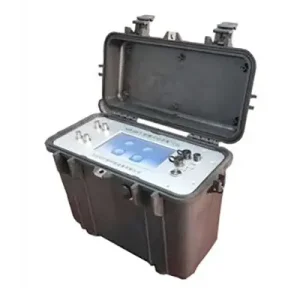
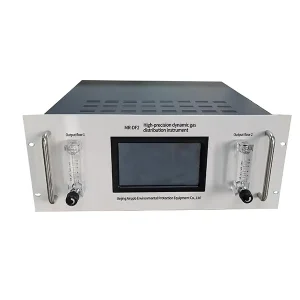
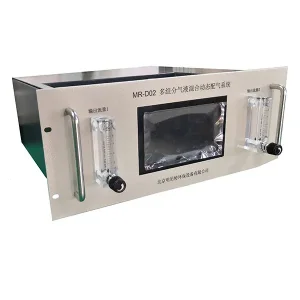
In the vast geographical expanse of the South Pacific, Fiji serves as the premier economic, logistics, and scientific hub. The establishment of world-class laboratory standards and instrumentation is no longer a luxury but an existential requirement for the archipelago's agricultural, mining, maritime, and eco-tourism sectors. From volcanic activity monitoring along the Pacific Ring of Fire to strict ambient air quality assessments in pristine resort corridors, the demand for precision laboratory instrumentation has risen exponentially.
Fiji's economy relies on a delicate balance between heavy natural resource extraction—such as gold mining in Vatukoula and large-scale bauxite operations—and sensitive ecological assets. The agriculture sector, dominated by sugar production, requires continuous soil, water, and gas monitoring to assess soil acidification and fertilizer emissions. Furthermore, as regional maritime traffic concentrates around the ports of Suva and Lautoka, ship emission tracking and hazardous chemical detection have become priority regulatory mandates.
For research and quality assurance labs across Fiji, maintaining an international standard means keeping analytical instruments calibrated under extreme local environmental conditions. High relative humidity, persistent ocean salt spray, and tropical temperatures accelerate sensor degradation, making robust, highly accurate dynamic gas distribution systems, hand-held detectors, and ambient air monitors indispensable assets.
Scientific entities in Fiji—ranging from the University of the South Pacific (USP) to the Ministry of Lands and Mineral Resources—have historically faced acute procurement bottlenecks. The isolated geographical positioning means that sending sensors back to manufacturers in Europe or North America for routine calibration translates to weeks of laboratory downtime and exorbitant shipping costs.
To overcome this, modern laboratory managers in Fiji are shifting toward a decentralized calibration model. By procuring onboard high-precision dynamic gas mixers like the MR-DF3 and MR-DF2, laboratories can produce precise calibration gas mixtures in-situ. This self-reliance ensures that environmental monitoring stations, stack gas analyzers, and industrial safety alarms are verified against internationally traceable standards locally, shielding Fijian enterprises from global logistics disruptions.
Minnit (Airppb) is a national high-tech enterprise focusing on the research, development, and industrialized innovative application of precision gas detection instruments. The company uses technological innovation to realize on-site, automated, and intelligent analysis, detection, and monitoring, and is committed to becoming the world's leading manufacturer of scientific instruments.
Having mastered complete gas analysis and detection methodologies—including electrochemical sensors, Photoionization Detectors (PID), and advanced spectroscopy (such as FTIR)—we have developed an extensive scientific instrument portfolio. Our solutions span laboratory analysis, portable on-site diagnostic devices, online gas monitors, and integrated mobile units, ensuring global industrial safety and environmental protection.

Addressing the complex demands of Fijian industries requires a multipronged technological approach. Below, we examine the primary instrument architectures deployed by global procurement managers in the South Pacific region:
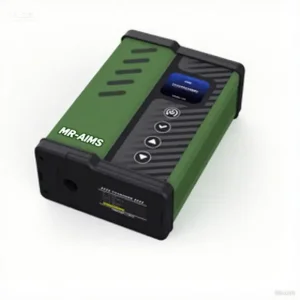
Instruments like the MR-DF3 generate mass-flow-controlled trace gas standards instantly, critical for calibrating industrial GC-MS systems and local toxic gas detectors.
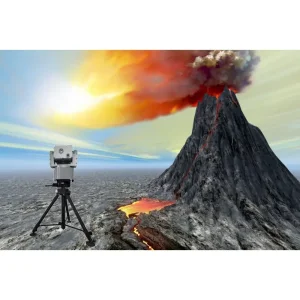
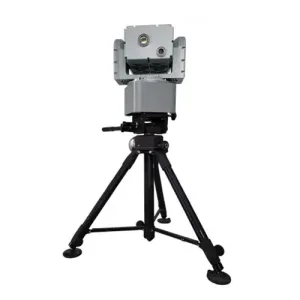
Fourier Transform Infrared open-path optical systems measure multi-component greenhouse gases and volcanic emissions from kilometers away without physical contact.
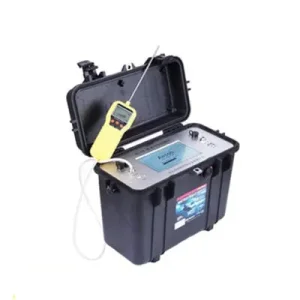
Handheld Ion Mobility Spectrometers (IMS) empower border guards, customs officers, and port authorities to identify narcotics, chemical agents, and industrial spills on-site.
Fiji's proximity to active volcanic systems (including neighboring Tonga and Vanuatu) creates an urgent requirement for continuous ambient gas telemetry. Ash and toxic gas plumes containing high concentrations of Sulfur Dioxide (SO2), Carbon Carbonate (CO2), and Hydrogen Halides pose substantial threats to air travel and human health. Remote monitoring systems powered by Fourier Transform Infrared (FTIR) telemetry permit atmospheric monitoring units in Fiji to trace gas patterns in real-time, providing immediate data feed variables to national disaster response teams.
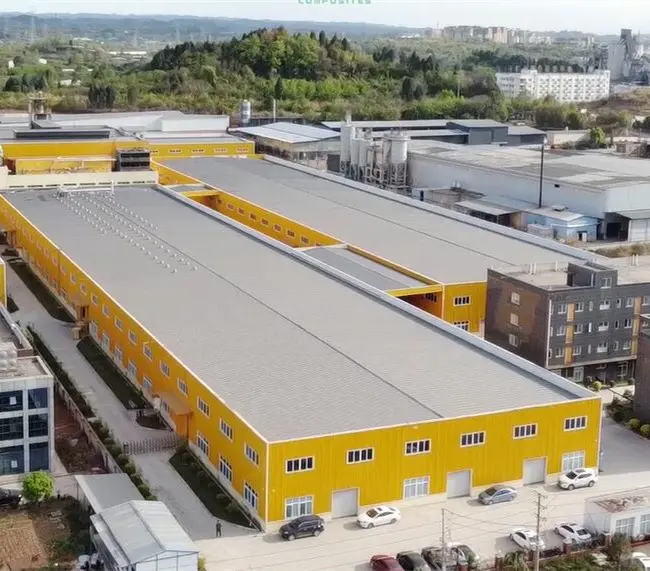
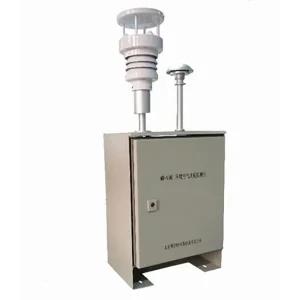
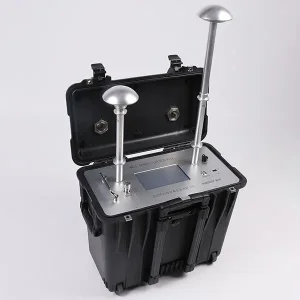
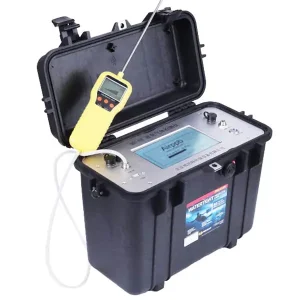
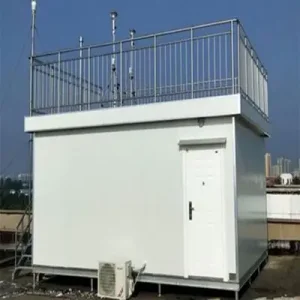
Established in 2012, our group company has emerged as a cornerstone developer of high-precision analytical hardware. Our manufacturing portfolio encompasses Fourier Infrared Gas Remote Sensing Imaging Early Warning Systems, micro and automated ambient air quality stations, highly customizable dynamic gas diluters, and portable emergency detectors. We actively offer OEM/ODM capabilities for laboratories, environmental agencies, and industrial conglomerates globally.
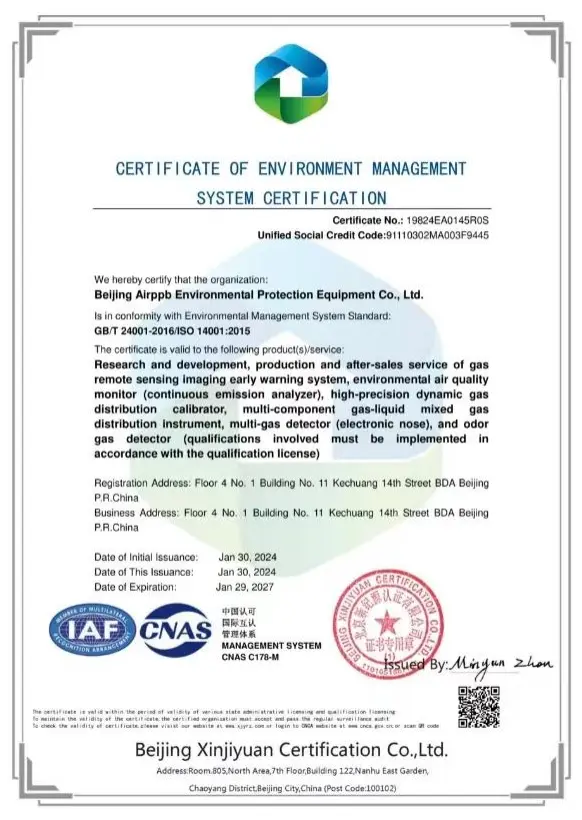
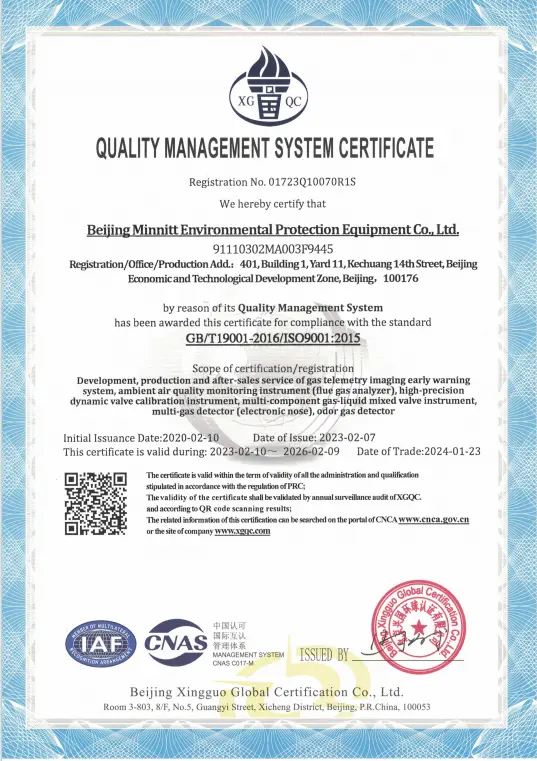
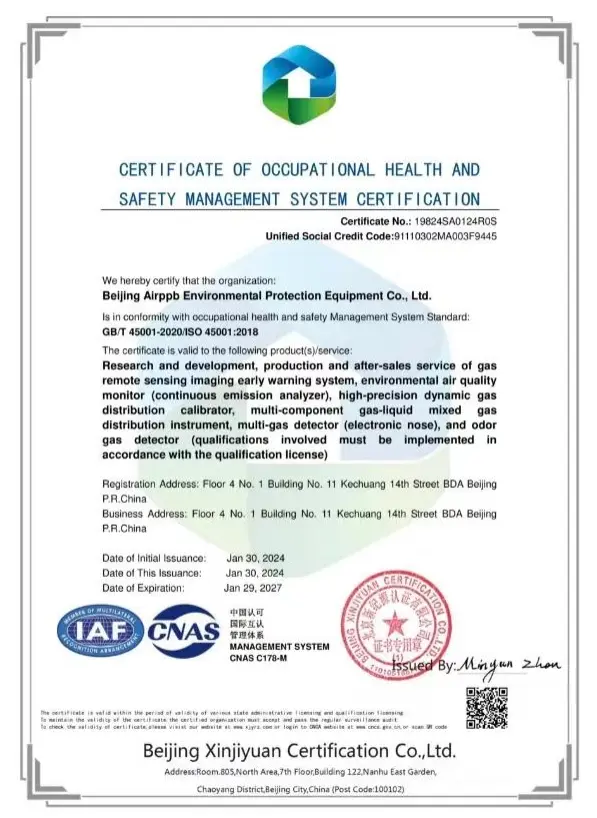
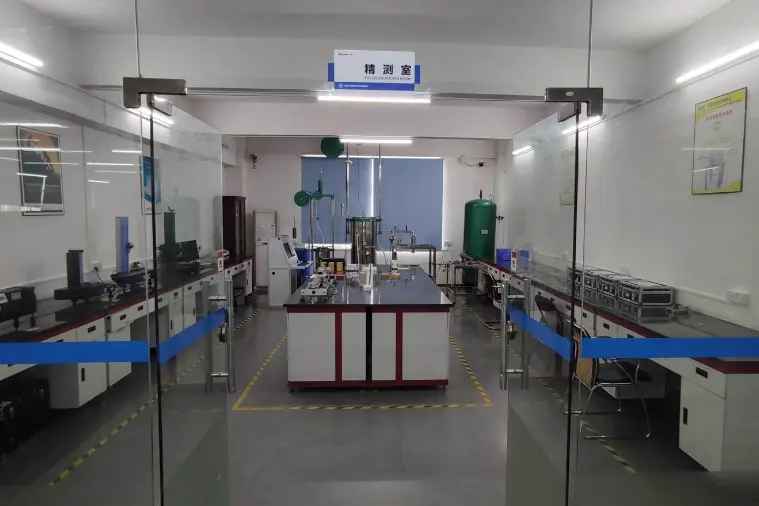
To guarantee extreme reliability, our production is managed in strict alignment with international frameworks, ensuring every shipped analyzer performs flawlessly in harsh marine and industrial environments.
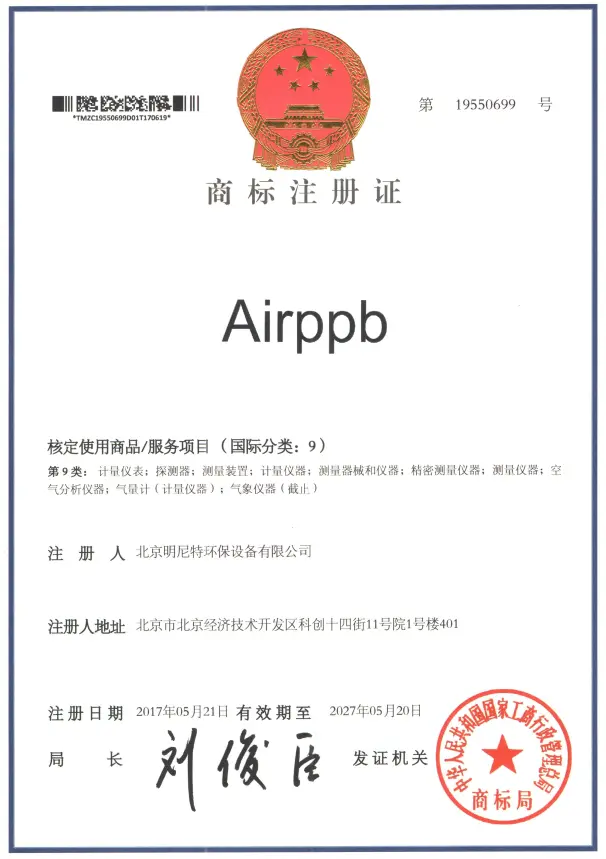
Demonstrating compliance through rigorous third-party auditing systems to satisfy the most demanding Fijian and global compliance protocols.
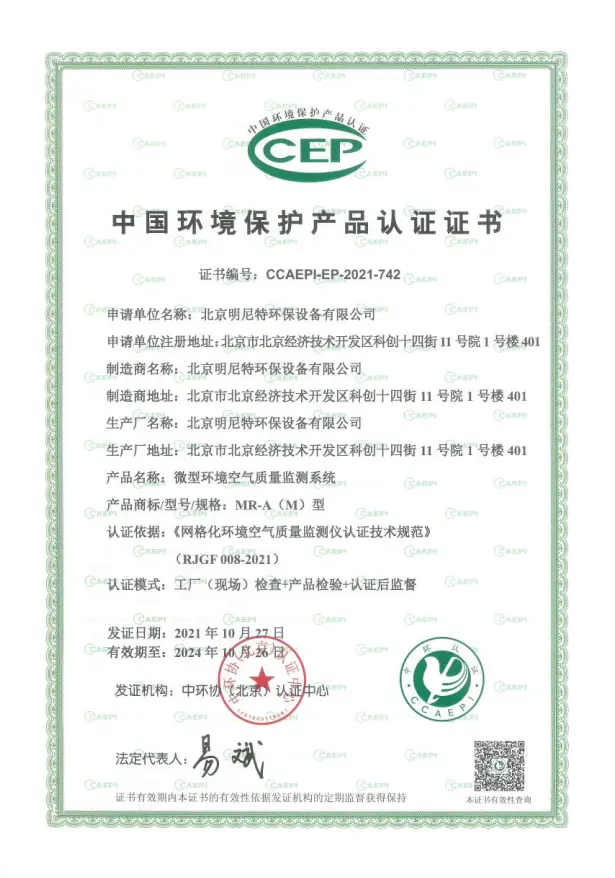
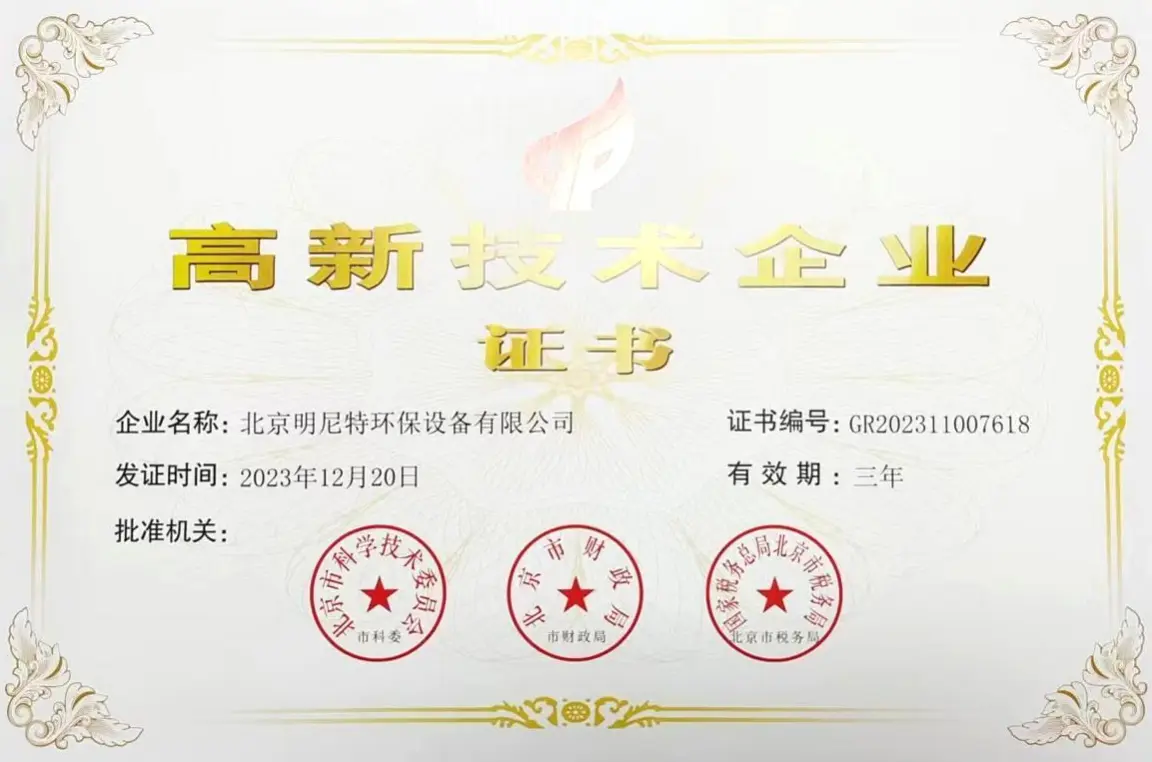
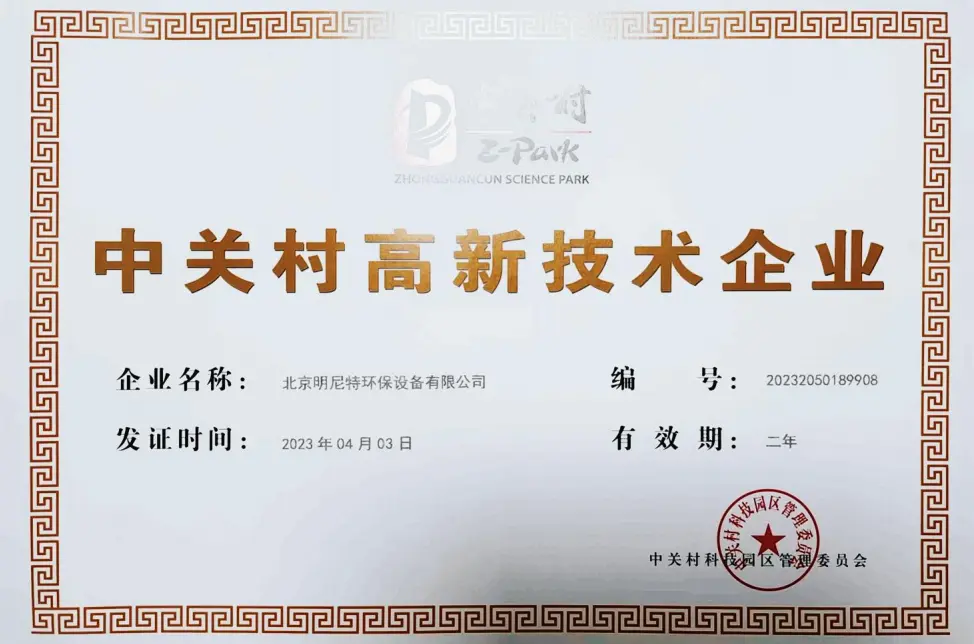
Making complex chemical and gas measurement challenges simple, accurate, and highly efficient for global operators.
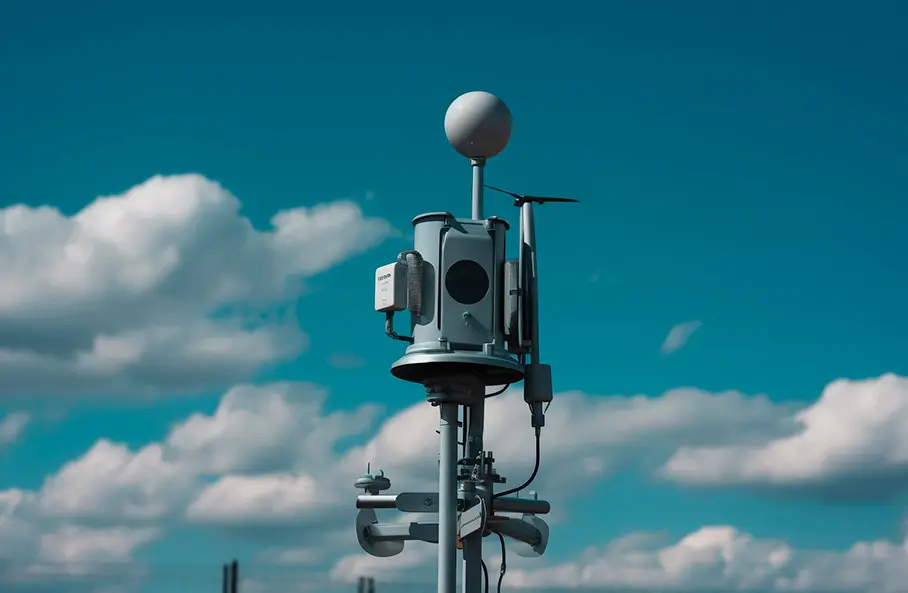
Empowering research centers and private label brands with customized software interfaces and ruggedized tropical casings tailored for regional climate conditions.

Our engineering-centric structure ensures continuous hardware modernization, integrating leading spectroscopic and sensing components.

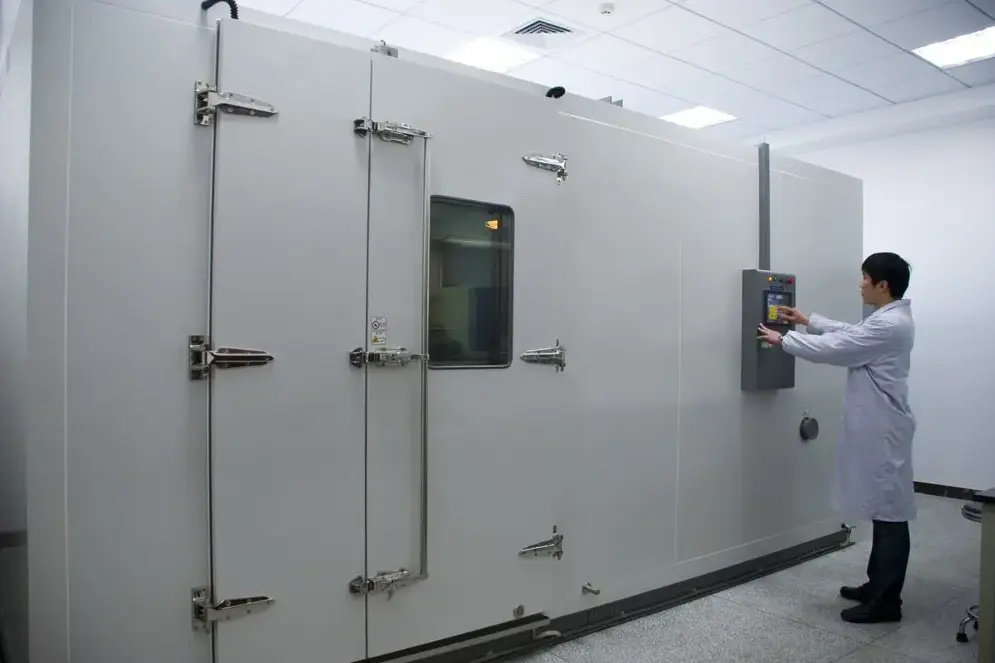
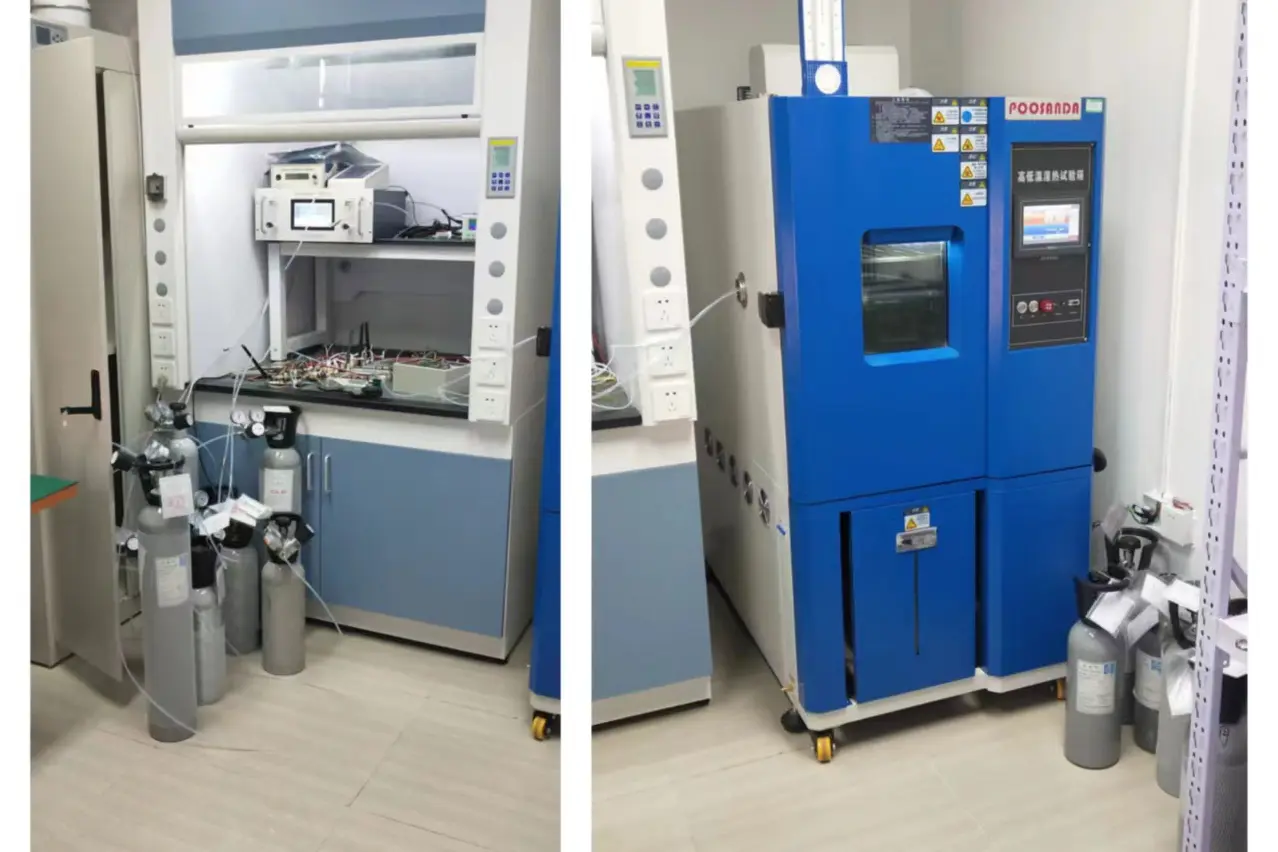
Every instrument undergoes climate-chamber simulation and multi-point calibration verification to match ISO and CPA specifications before packaging.

We assist from project planning and initial sensor matching to on-site implementation and compliance testing in the Pacific Rim region.
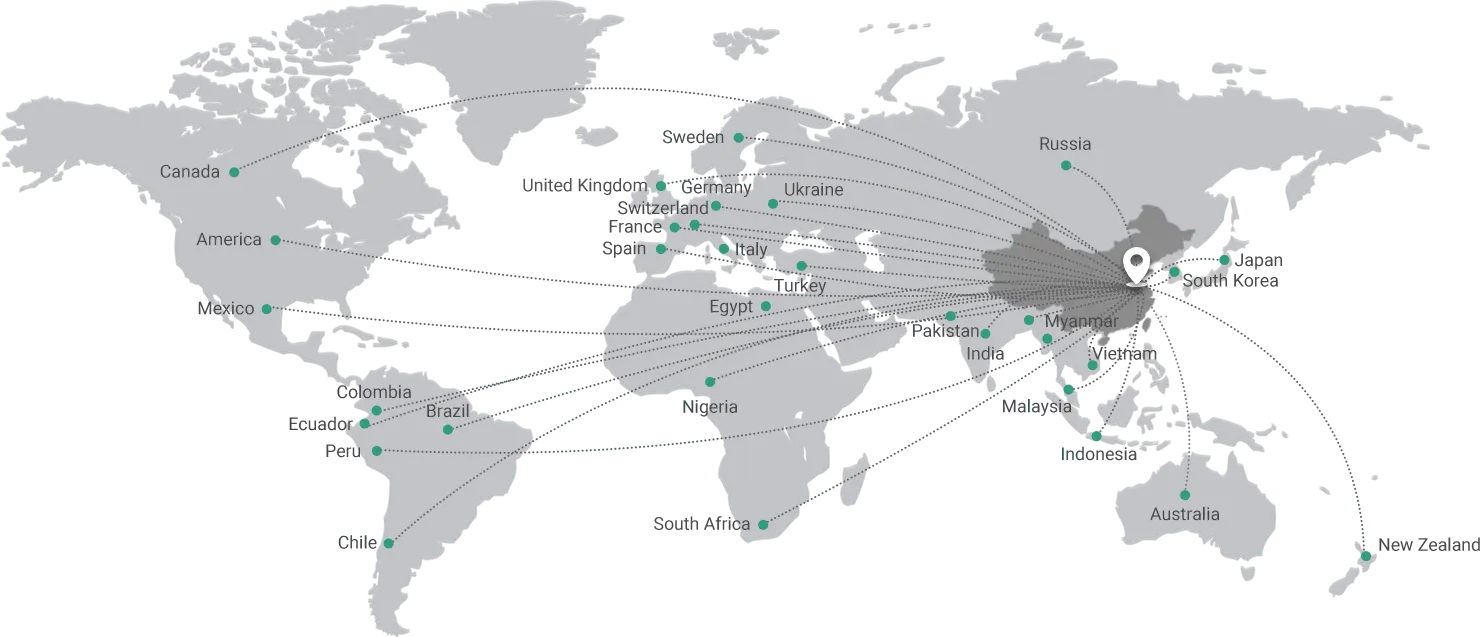
Providing high-precision laboratory, mining, and atmospheric tracking equipment to clients in over 40 countries and territories.
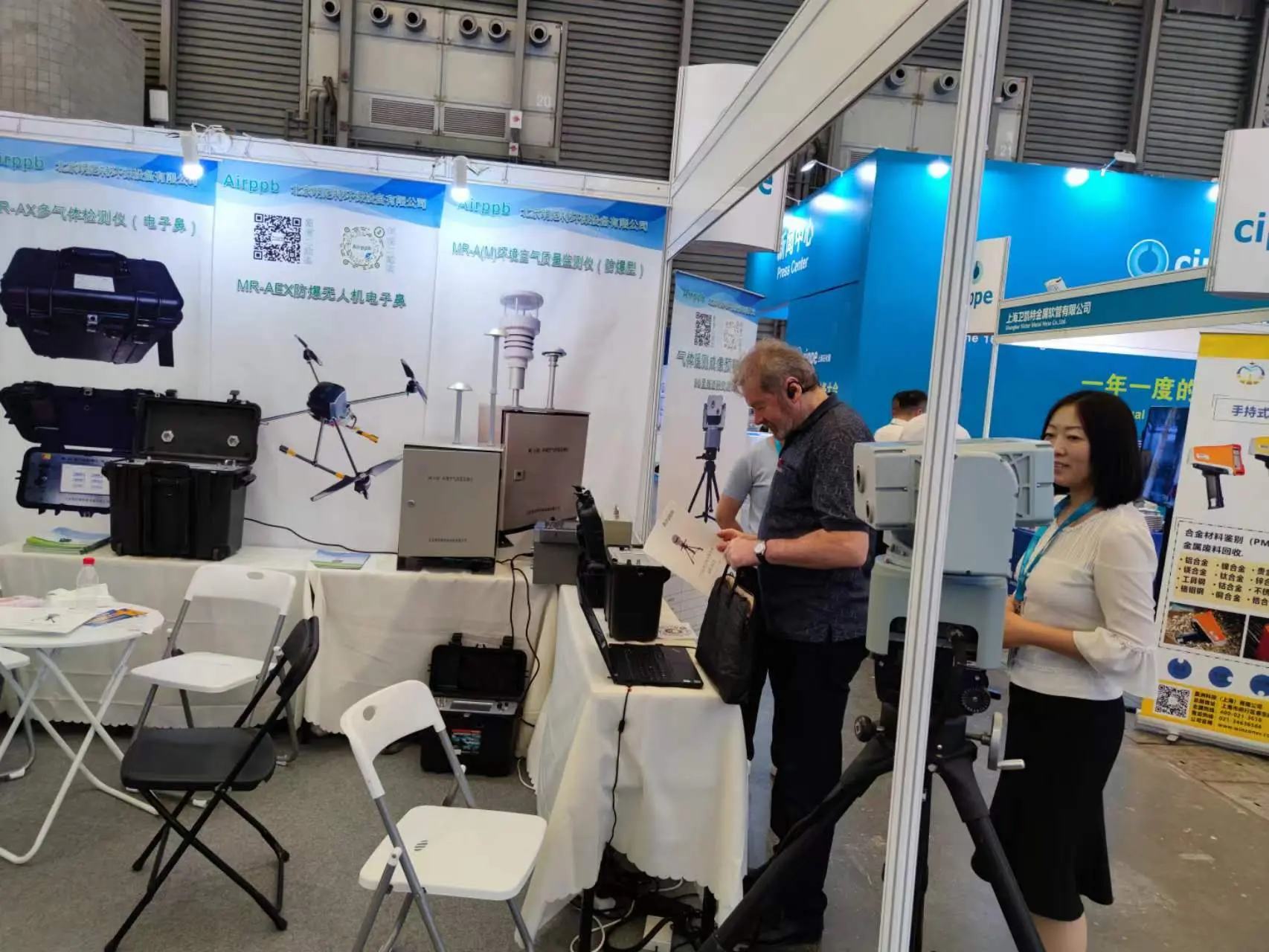
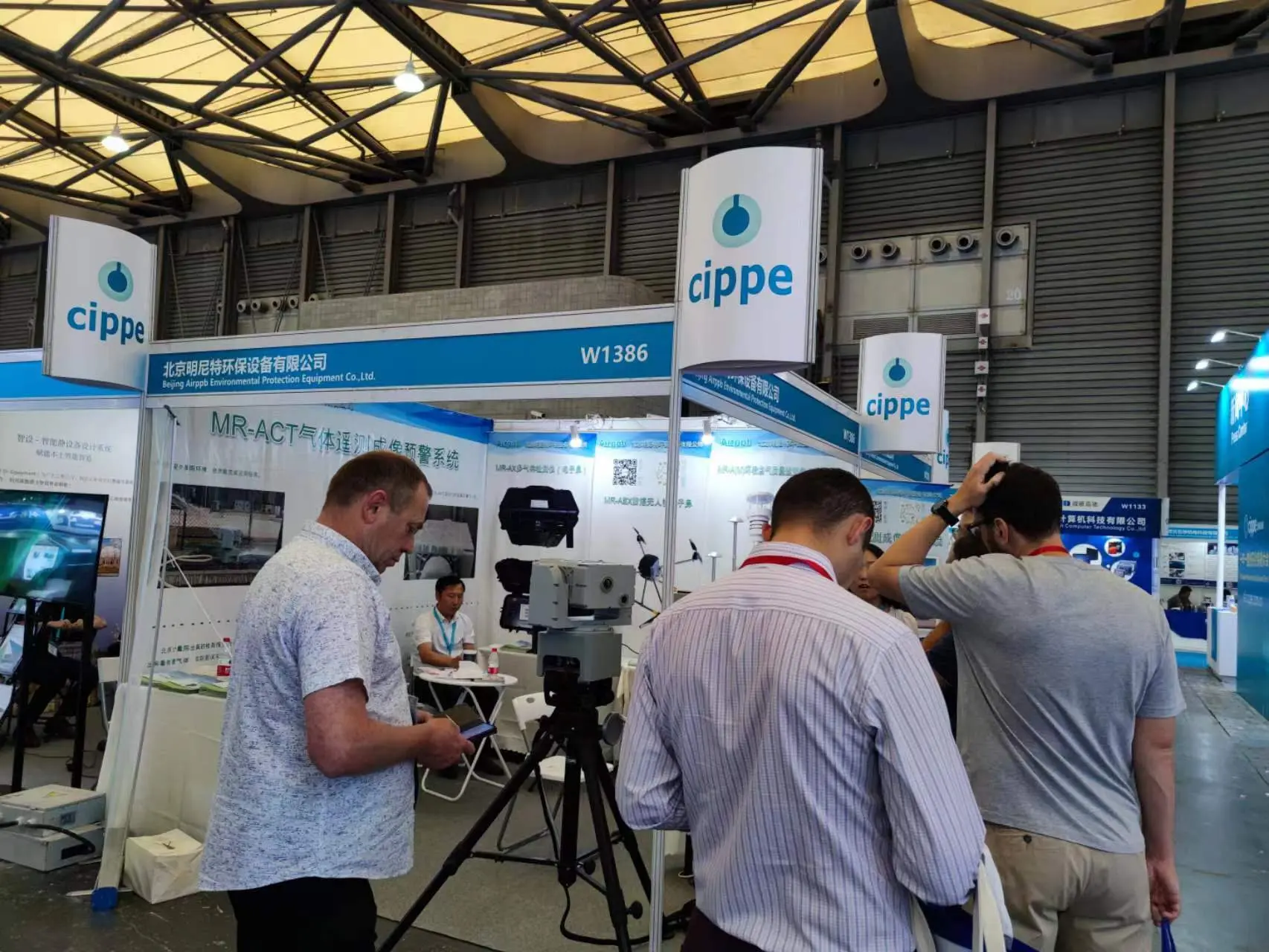
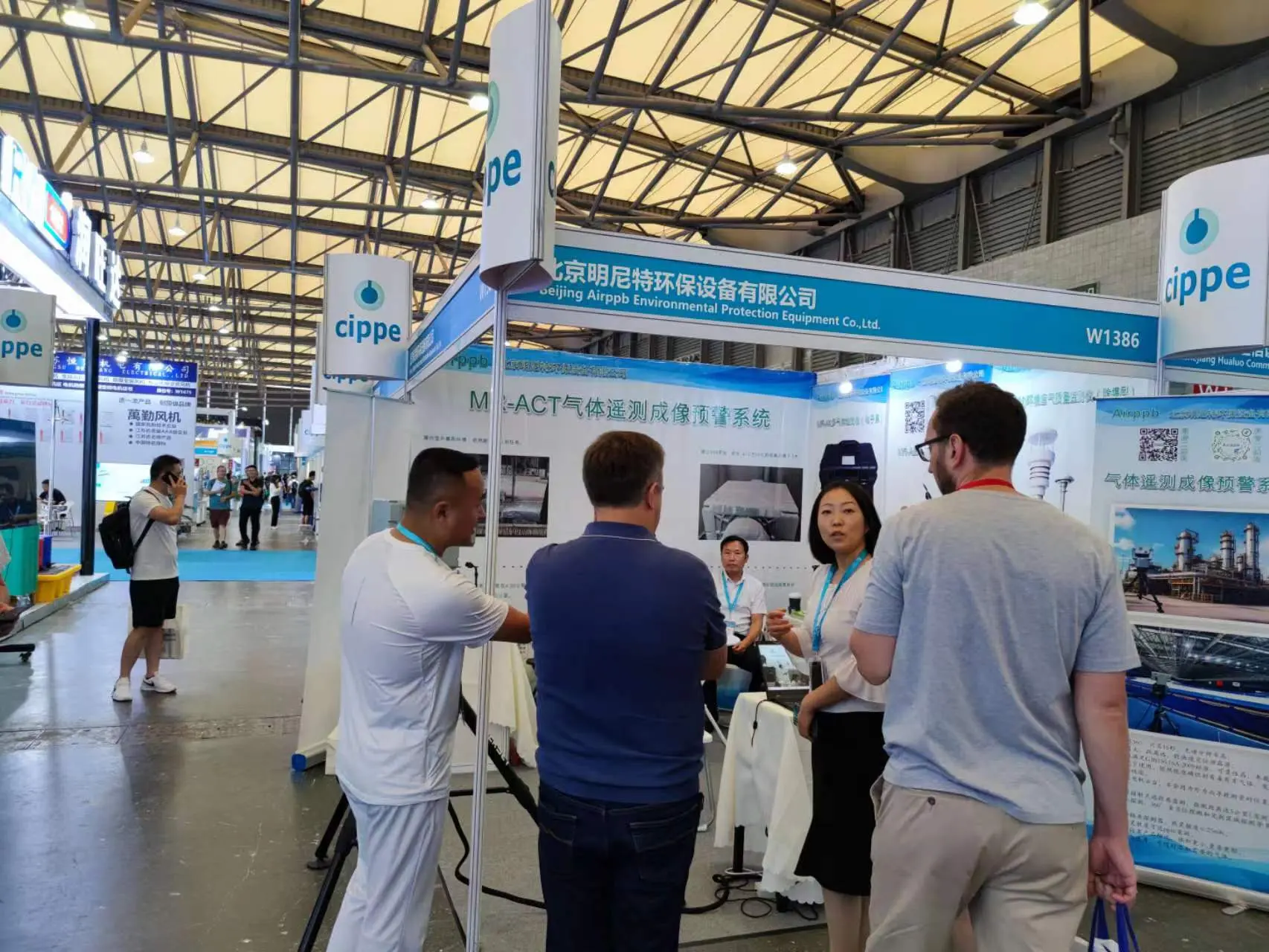
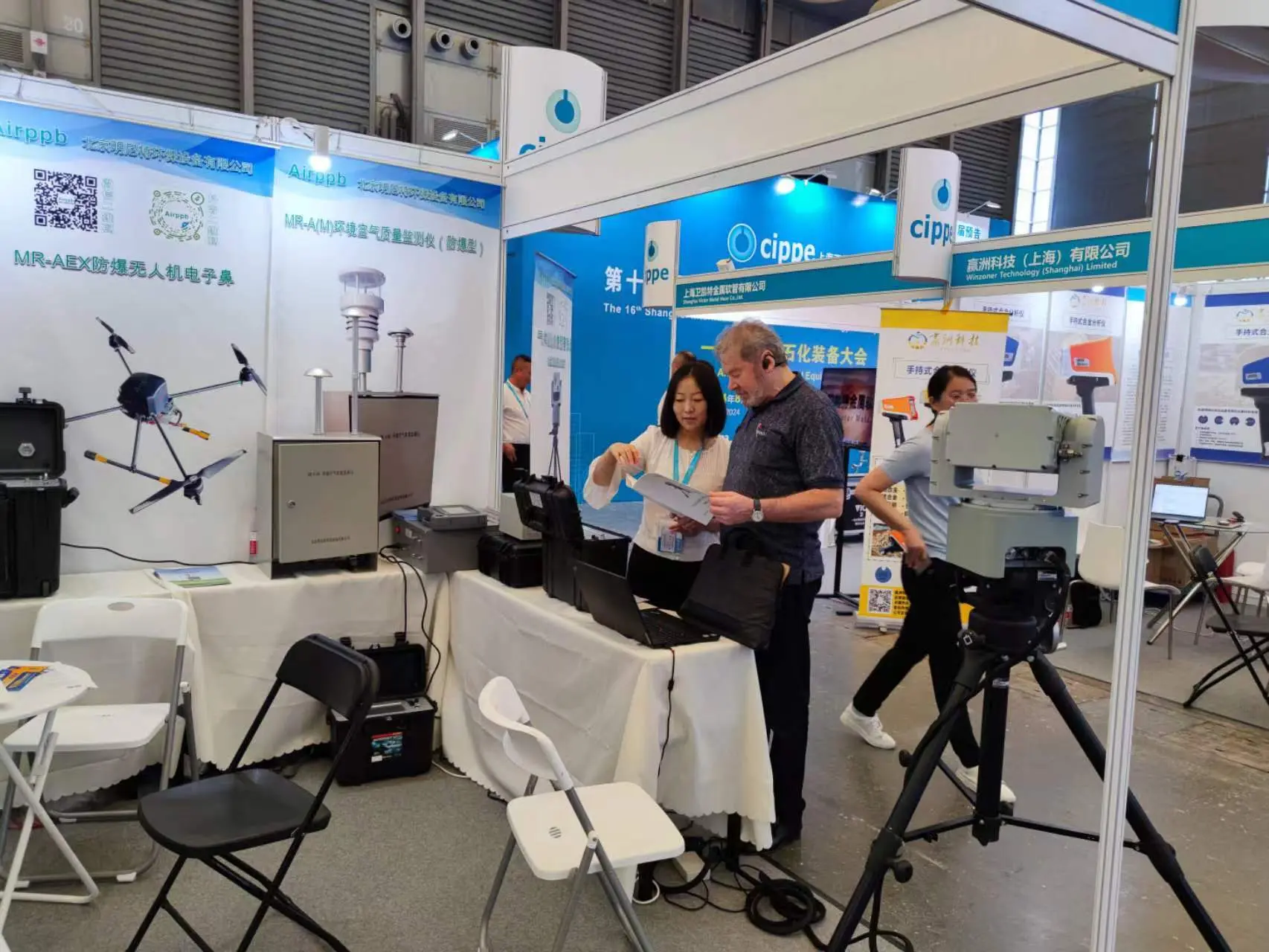
Demonstrating our scientific instrumentation innovations at major safety, instrumentation, and environmental defense symposia worldwide.

Under the Fiji Ministry of Infrastructure, Meteorological Services, and the Department of Environment, regulations regarding safety and atmospheric emissions have gotten tighter. ISO 9001, ISO 14001, and local occupational health standards require mining operators, agro-industrial mills, and logistics ports to conduct trace gas analysis continuously.
Using older diffusion-only gas sensors in the Pacific region often results in faulty readings due to localized humidity saturating electrochemical pins. Active micro air monitoring systems—equipped with intelligent thermal management and automated baseline compensation—are recommended to circumvent this limitation. Establishing localized gas standards using systems like the MR-DF3 dynamic gas mixer ensures that field instruments are checked against exact NIST-traceable levels, preserving raw data integrity during official environmental audits.
As Fiji moves toward smart-city initiatives in Suva and Nadi, environmental networks are becoming increasingly digital. Integrated systems now leverage cloud-based data storage and real-time gas imaging. An alarm warning system, such as the MR-ACT Telemetry Imaging System, visualizes toxic plume dispersion downwind, letting operators spot leaks early before they reach civilian zones. Over the next decade, deploying dynamic gas sensors with integrated IoT connectivity will form the backbone of the Pacific's proactive disaster management and eco-protection frameworks.
Expert clarifications regarding laboratory brand requirements, calibration, and tropical optimization for Fijian operators.
Browse our full lineup of dynamic mixers, air quality stations, safety identifiers, and remote warning telemetry systems.
 Airppb